Le Touquet-Paris-Plage: your complete guide to the Opal Coast’s finest resort
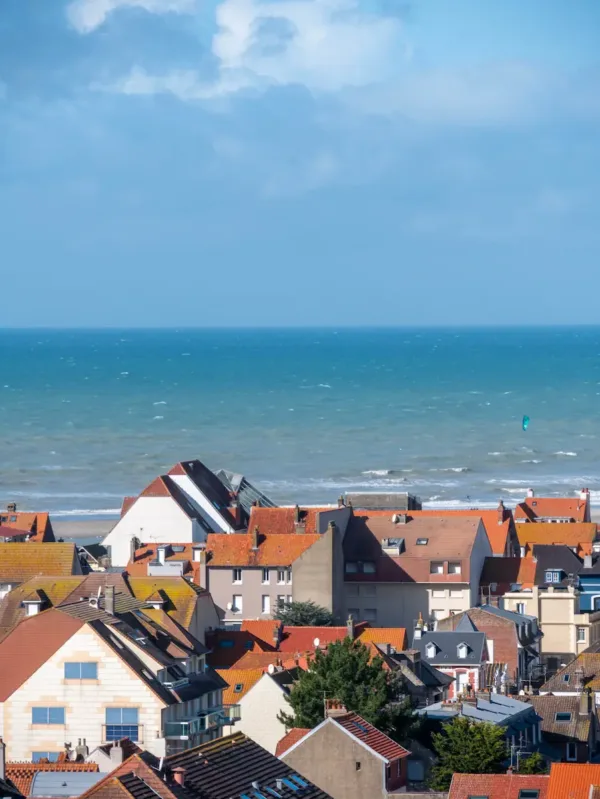
Just over an hour from Calais, Le Touquet-Paris-Plage combines everything visitors love about the French coast. Enjoy miles of sandy beaches, water sports, cycling through pine forests, championship golf courses, a bustling market and a thriving food scene, from traditional seafood restaurants to Michelin-starred dining. Once a favourite retreat of British visitors and the 1920s jet set, Le Touquet remains one of France’s most elegant seaside resorts.
-
The beach: 7 km of golden sand just a short hop from the UK
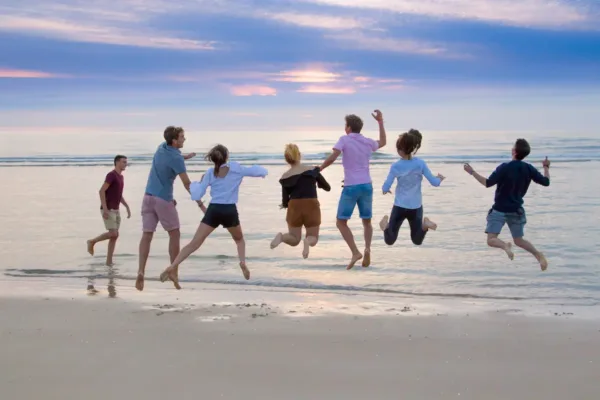
Children build sandcastles, families stroll, dog walkers cover miles and water sports enthusiasts make the most of the vast expanse of fine sand. Le Touquet’s beach stretches for 7 km along the Opal Coast — one of the longest and most spectacular on the Channel coast. In February, the famous Enduropale race transforms it into a roaring circuit as some 1,000 motorbikes stream through the dunes. The rest of the year, it’s blissfully yours to enjoy.
Sand yachting: follow in the footsteps of Louis Blériot
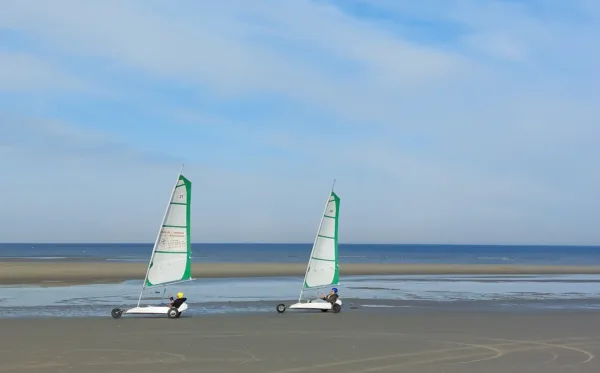
Back in 1910, Louis Blériot himself accelerated along this very beach in his aeroplage. A new sport was born, and Le Touquet has been its spiritual home ever since — the Blériot Club holds the honour of being the first land yacht club in the world. Head to the Base Nautique Sud to learn the techniques, or catch the annual Blériot Cup in May to see the experts in action.
 © AS Flament
-
Shopping in Le Touquet: boutiques, markets and French treats
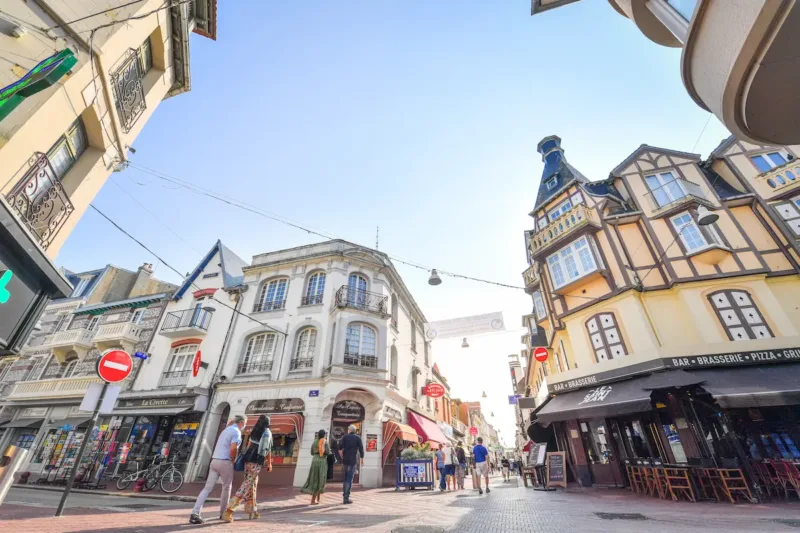
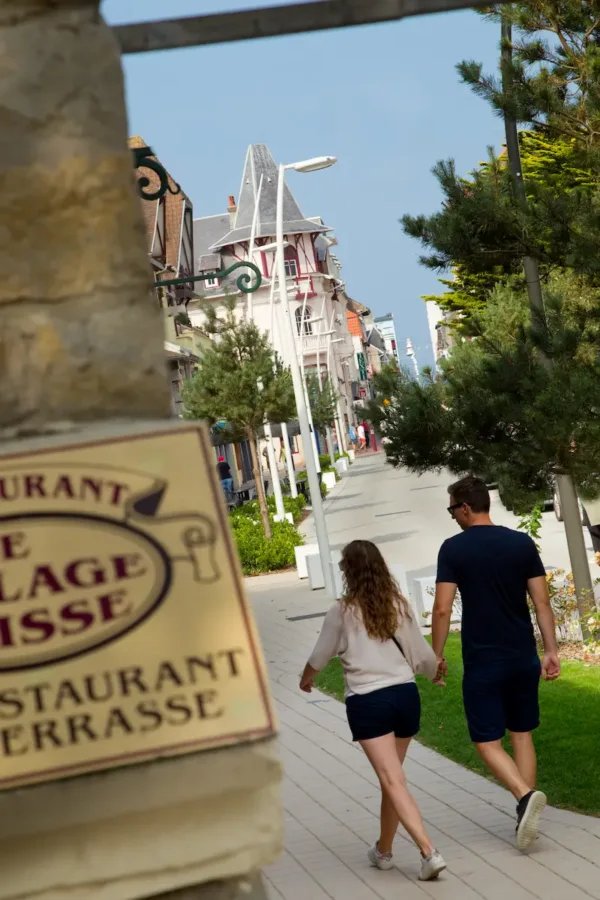
Le Touquet is a shopper’s paradise, plain and simple. The streets of the town centre reward an afternoon’s browsing — rue Saint-Jean is your go-to for boutiques, fashion and gifts, while rue de Metz is where the serious foodies head for the best local produce, fresh seafood and gourmet treats. Whether you’re after a designer handbag, a jar of artisan jam or a box of handmade chocolates, you’ll find it here.
 © AS Flament
-
The Covered Market: a Thursday and Saturday institution
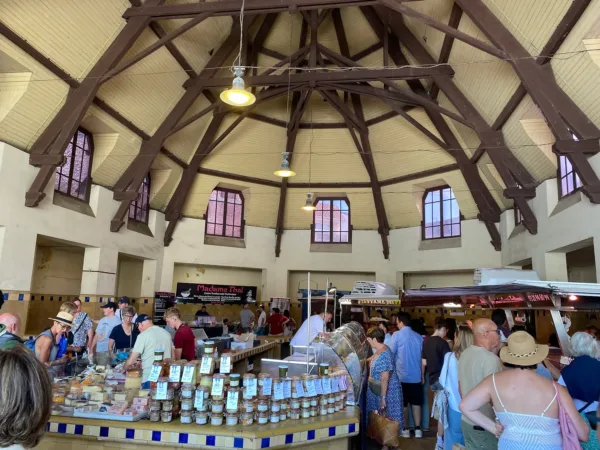
The Art Deco Marché Couvert is where Le Touquet truly comes alive. Built between 1927 and 1932, it’s the place where locals have always done their serious food shopping: fresh fish straight off the boats, pungent Maroilles cheese, strawberries in spring, leeks and parsnips in winter. Stalls spill out onto the surrounding streets with books, clothes, linen tea towels and soaps. Don’t miss it.
 © Delphine Bartier
-
The best boutiques and food shops in Le Touquet
For leather handbags and watches from Lancel to Longchamp, try La Mascotte in rue Saint-Jean. For officially branded Le Touquet souvenirs and unusual homewares, Boutique de Mélanie in rue de Moscou is the place. Beny Boutique in rue de Londres is the spot for that quintessential French touch — think iconic metal egg baskets and charming brocante objects. And Touquet Antic Garden in rue de Metz spills out into a courtyard full of antique urns, lamps and rusty bicycles.
Foodies should make a beeline for La Manufacture du Touquet in rue Saint-Louis, where you can watch artisans produce their famous salted butter biscuits and pecan treats on the spot. Au Chat Bleu in rue Saint-Jean has been making exceptional chocolates since 1912 — pistachio, orange, ginger, gold leaf. And Tea Together in Avenue Georges Besse, started by a British couple and now run by their son, stocks jams, marmalades and honeys good enough to supply the Dorchester. A touch of home, done properly.
Craving something more substantial? Pull up a stool at the oyster bar at Chez Pérard in rue de Metz for a quick lunch, or stock up at the fish counter next door with langoustines, bouillabaisse or paella to take away.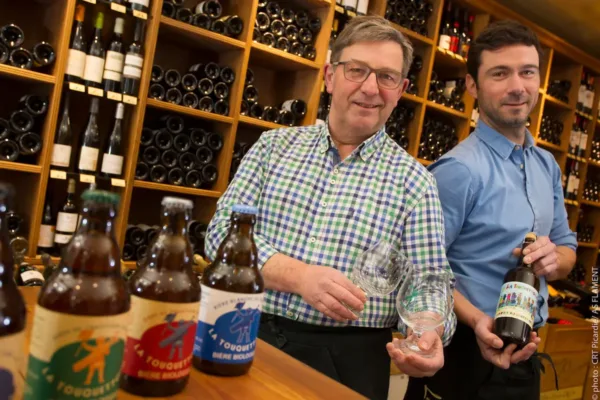 © AS Flament
-
Cycling through the forest: Le Touquet’s most iconic experience
Hire a bike and lose yourself in the pine forest that wraps around the town — it’s one of those Le Touquet experiences that stays with you long after you’ve crossed back over the Channel. Cycle routes wind through the Canche Nature Park, a protected 42-hectare expanse of dunes, pines and sandy beaches at the northern tip of the resort. Keep an eye out for migratory birds, wild boar and — if you’re lucky — a seal drifting along the coast.
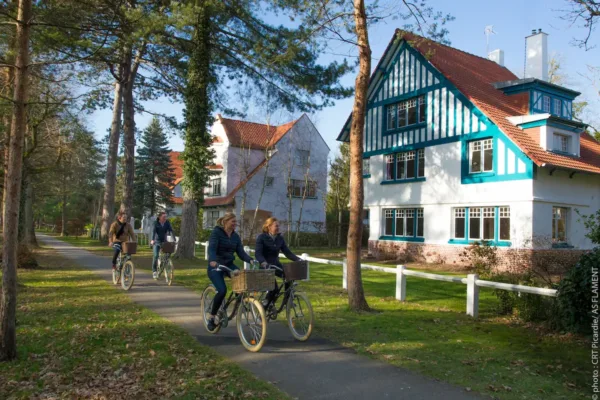 © Anne Sophie Flament
-
Le Touquet Golf Resort: world-class courses among the dunes and pines
Le Touquet Golf Resort has been one of Europe’s finest since the Golf de la Forêt first opened in 1904. Set among the dunes and forest, there are three courses to choose from. Le Manoir Hotel, perched on the edge of the forest, is clubby, comfortable and very British in feel — just as it should be.
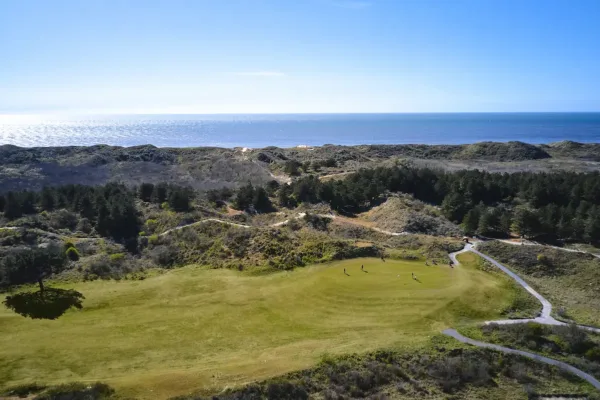 © Pas de Calais Tourisme
-
See and be seen: the glamorous side of Le Touquet
By the 1920s, Le Touquet was the place to be for the rich and famous — writers, film stars and politicians. The British smart set and their French friends came for the golf, horse racing and polo, stayed in grand hotels and villas ranging from Art Deco to Gothic to Tudor, and gambled the nights away. That spirit hasn’t entirely left.
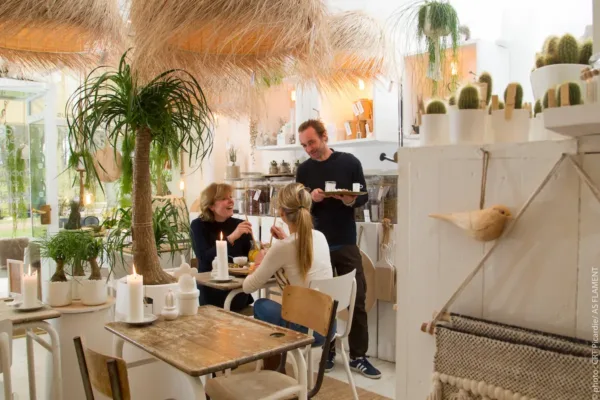 © AS Flament
-
Casino Barrière: Ian Fleming’s inspiration for Casino Royale
The elegant Casino Barrière in the Palais des Congrès has a history as colourful as its clientele. Originally part of a villa built by the town’s founder in the 1860s, it served as a British military hospital in World War I before becoming the playground of the international jet set. It particularly drew British visitors, for whom gambling at home was restricted to members-only clubs. Ian Fleming was a regular — and used it as the model for Casino Royale. Today it’s open to all.
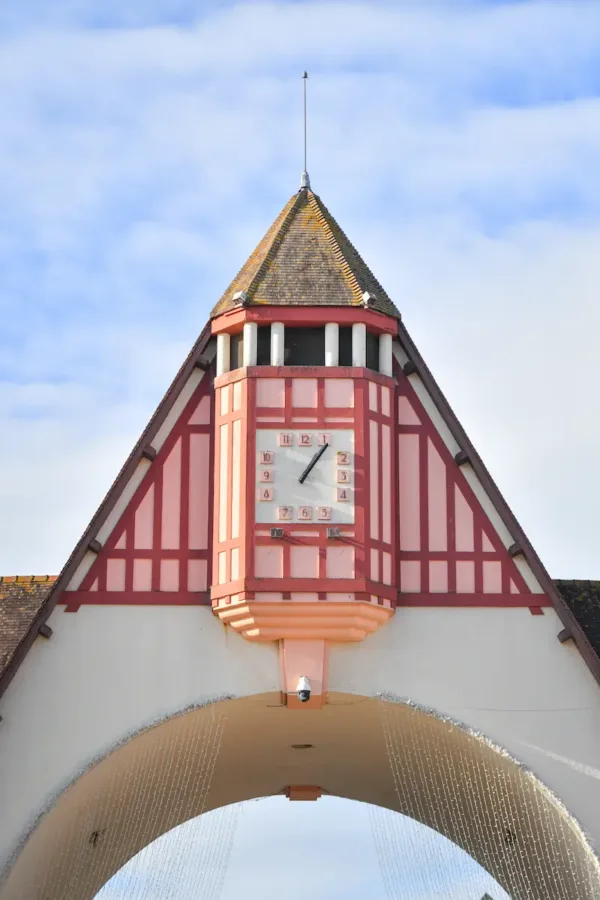 © Yannick Cadart CD 62
-
Art Deco architecture: a town built to impress
Stroll the streets and the grandeur reveals itself at every turn. The Hôtel de Ville, with its tall belfry and Tudor red brick, was financed entirely by a single year of casino profits — opened in 1931, it remains one of the most striking town halls in northern France. The Post Office in rue Saint-Jean, built in 1927 on the site of a former church, was designed by competition winner Jean Boissel and became a listed historical monument in 1997. Le Castel Villa, built in 1904 with its fairy-tale pointed tower, is one of around 20 Le Touquet buildings on the French Historic Monuments registry. Guided architectural walks from the Tourist Office take in these and many more.
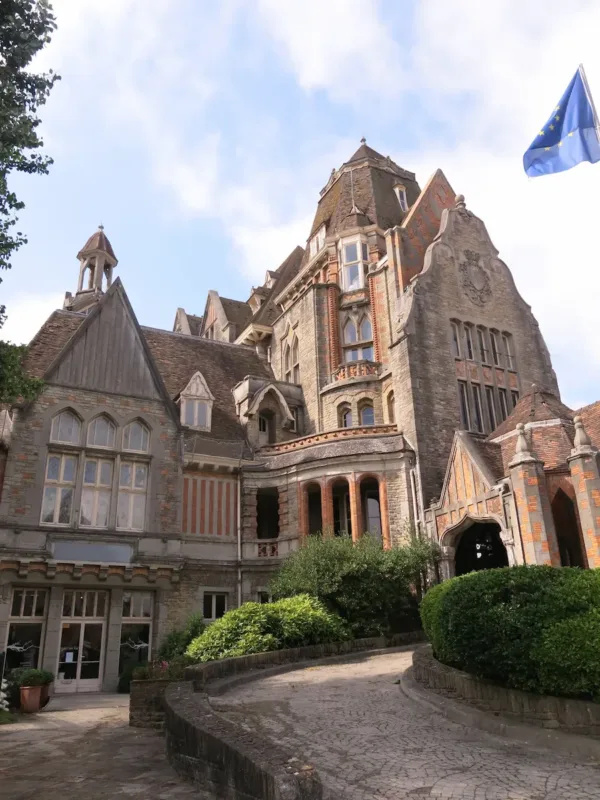 © L. Rault Pas-de-Calais Tourisme
More to discover: museums, lighthouses and hidden gems
Le Touquet Museum: an unexpected gem for art lovers
Housed in the impressive Way Side villa of 1925, the Musée du Touquet-Paris-Plage holds a remarkable collection spanning the late 19th century to the present day. Its standout feature is around 300 works from the Étaples post-Impressionist school, produced by the 200 painters who flocked to the Opal Coast from England, Germany, the USA, Australia and Scandinavia, drawn by the seascapes, the luminescent light and the charm of local life. Photographs of Picasso, Cocteau and Marcel Pagnol line the walls alongside their work.
-
The Canche Lighthouse: climb 274 steps for a view to Dover
The present 57-metre octagonal brick tower opened in 1951, replacing two earlier lighthouses destroyed in the war. Climb the 274 steps and on a clear day you can see north to Calais, south to the Normandy cliffs, east to Montreuil — and west to the white cliffs of Dover.
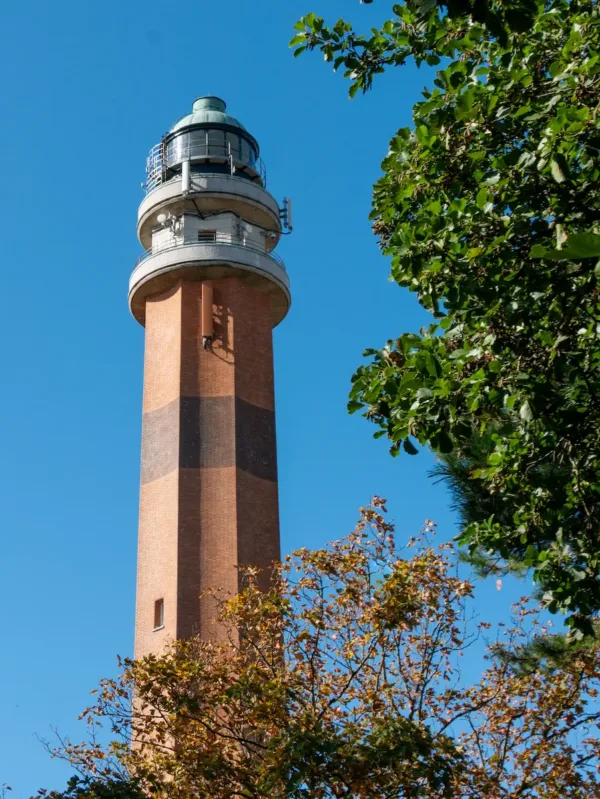 © A. Chaput Pas-de-Calais Tourisme
-
The Serge Gainsbourg Kiosk: a hidden gem in the Parc des Pins
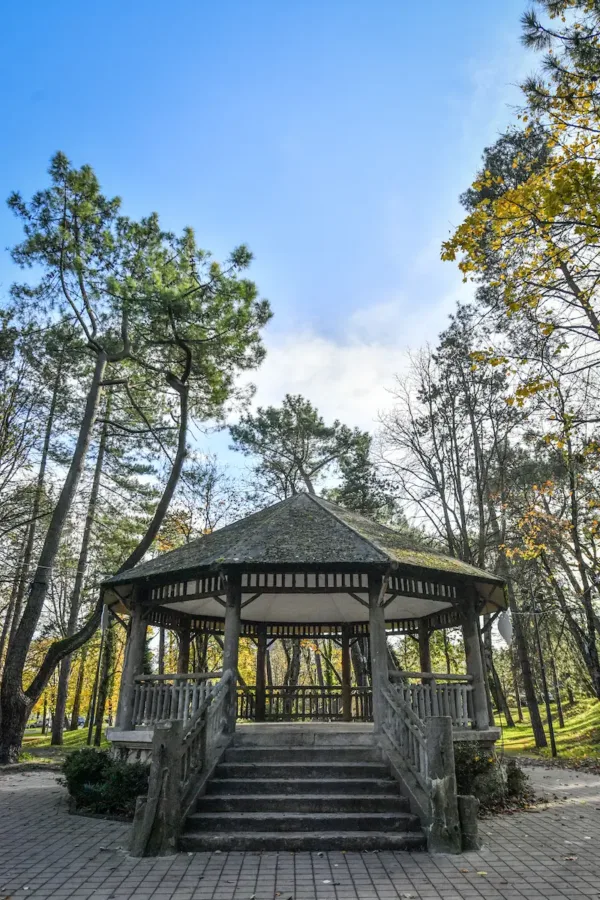
Tucked away in the Parc des Pins, this charming music pavilion opened in 1924 at the height of the Roaring Twenties. Renamed the Kiosk Serge Gainsbourg in 2001, it marks the place where the legendary French singer-songwriter began his career, performing his first songs at the nearby Club de la Forêt, now Le Flavio restaurant. Gainsbourg later formed one of France’s most iconic artistic partnerships with British actress and singer Jane Birkin, adding an Anglo-French touch to Le Touquet’s rich cultural heritage.