The Audomarois marshes, the 7 Valleys and beyond
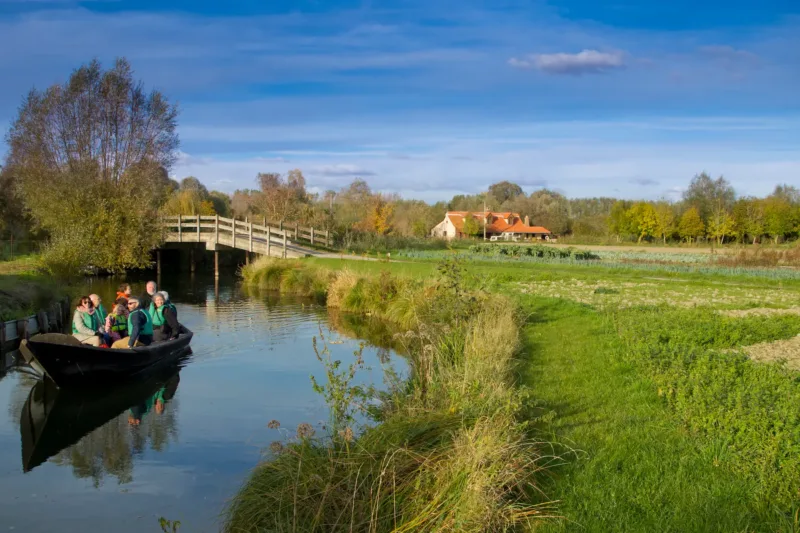
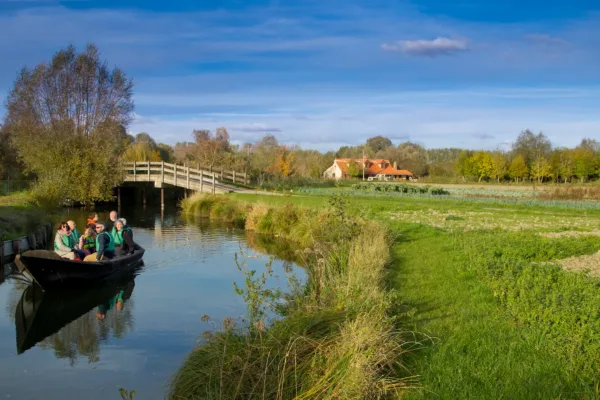
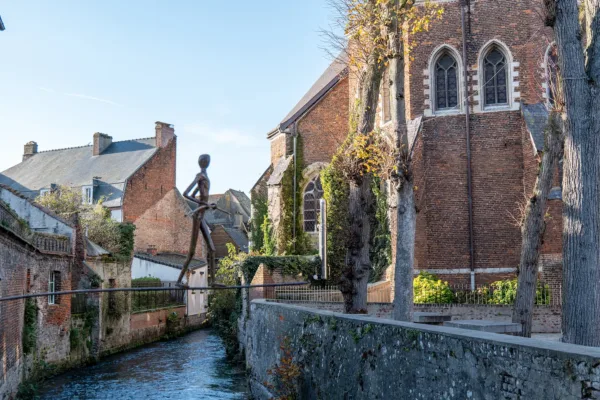
France’s last working wetland still farmed by boat, the Marais Audomarois is also a UNESCO-designated biosphere reserve and a stronghold for rare wildlife and endangered bird species. Paddle or drift by flat-bottomed “bacôve” through this maze of quiet waterways outside Saint-Omer, and you’ll find market gardeners still tending cauliflowers and chicory the way their families have for generations, while twitchers and flâneurs alike slow right down to watch herons, bitterns and kingfishers along the reeds.
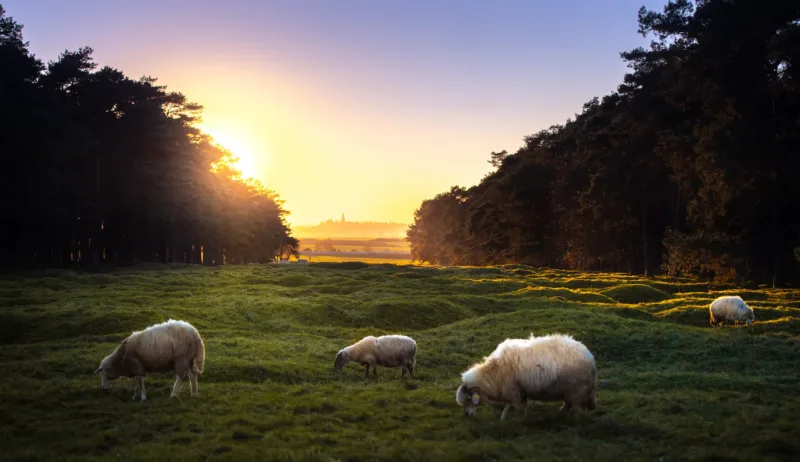
Beyond this watery world, the Pas-de-Calais countryside opens out into a patchwork of forests, hedgerows and farmland stretching from Saint-Omer through Montreuil-sur-Mer to the rolling hills of the Sept Vallées (Seven Valleys). It’s a landscape built for slow travel: cycling routes, riverside walking trails, market towns and farm shops selling produce grown down the road.
Mining heritage
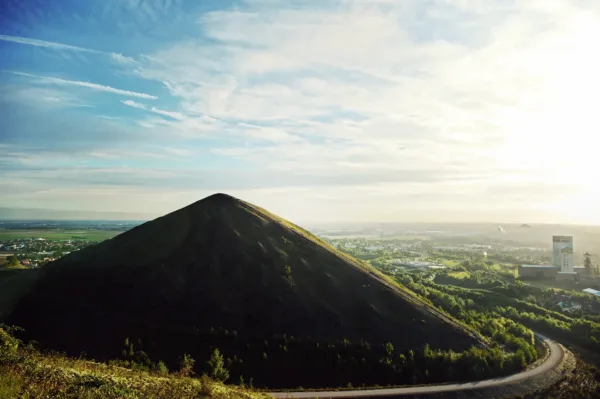
Shaped by more than a century of coal mining and steeped in that same working-class pride, Lens and its surroundings have pulled off a genuine balancing act: safeguarding their UNESCO World Heritage-listed Mining Basin while giving it a thoroughly new lease of life. The area’s slag heaps, once simply spoil from the pits, have been reimagined with real ingenuity: Nœux-les-Mines built a dry ski slope on Terril n°42 at Loisinord, Haillicourt planted a vineyard on its own terril to produce the local “Charbonnay” wine, and elsewhere reclaimed farmland and cycling trails now trace the same ridgelines the miners once worked.
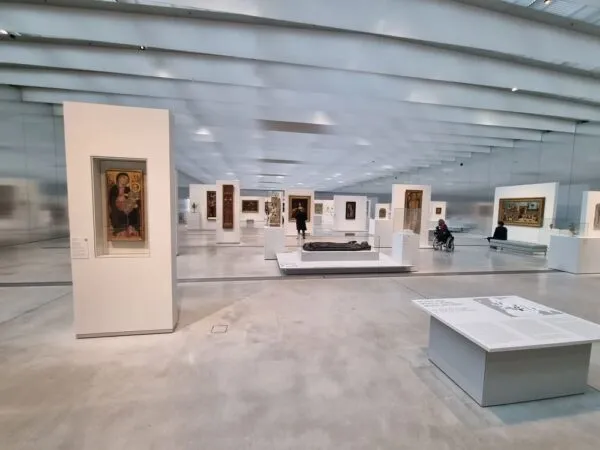
The pits themselves have found new purposes too. Long-closed mining sites around Lens and Béthune have made way for heritage interpretation centres, artists’ studios and galleries, and, since 2012, the Louvre-Lens: an architectural landmark that has become France’s third most-visited museum outside Paris, and the anchor of a wider cultural scene spanning festivals, exhibitions and sporting events all year round.