
Opal Coast France: beaches, seaside towns and things to do
The Opal Coast stretches from Calais to Berck-sur-Mer along the Pas-de-Calais coastline, forming the closest stretch of France to the UK.
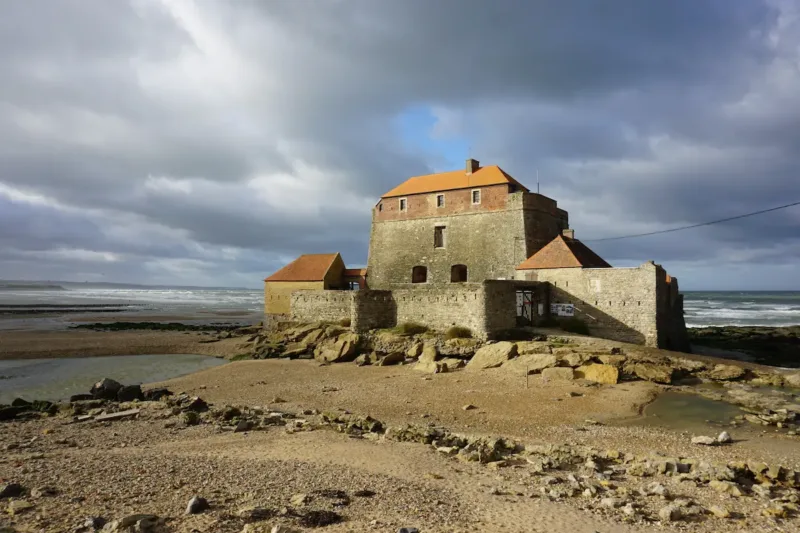
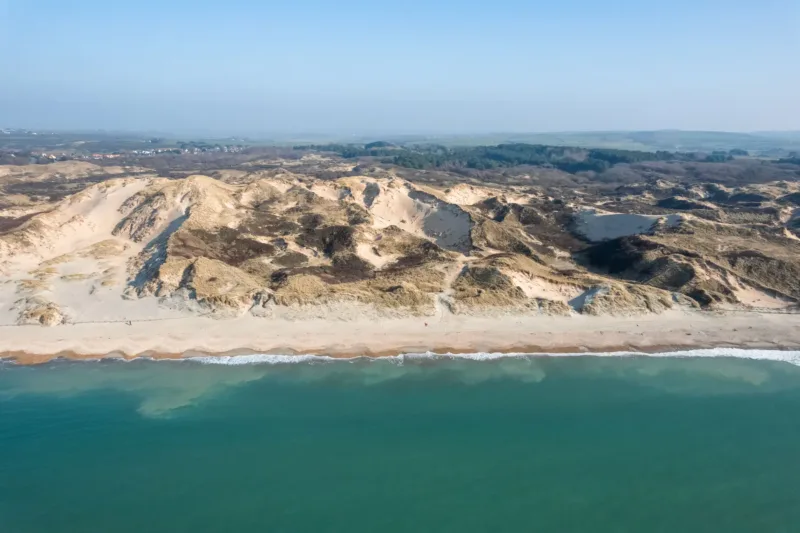
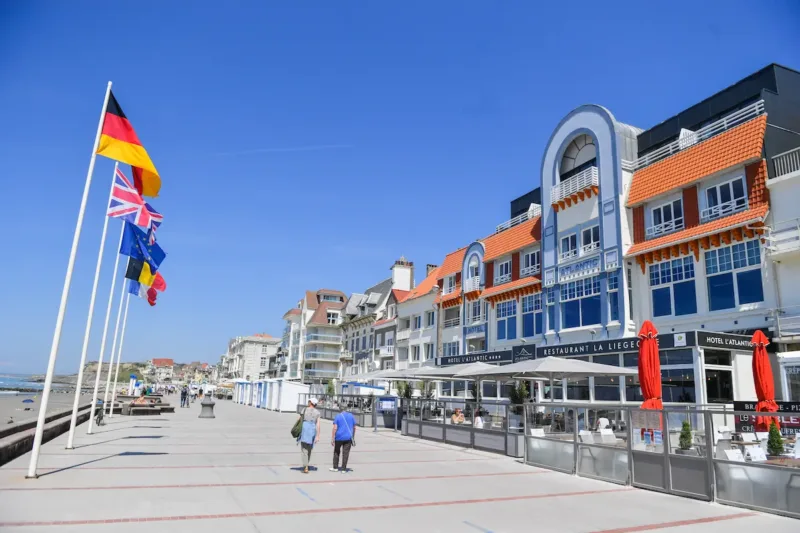
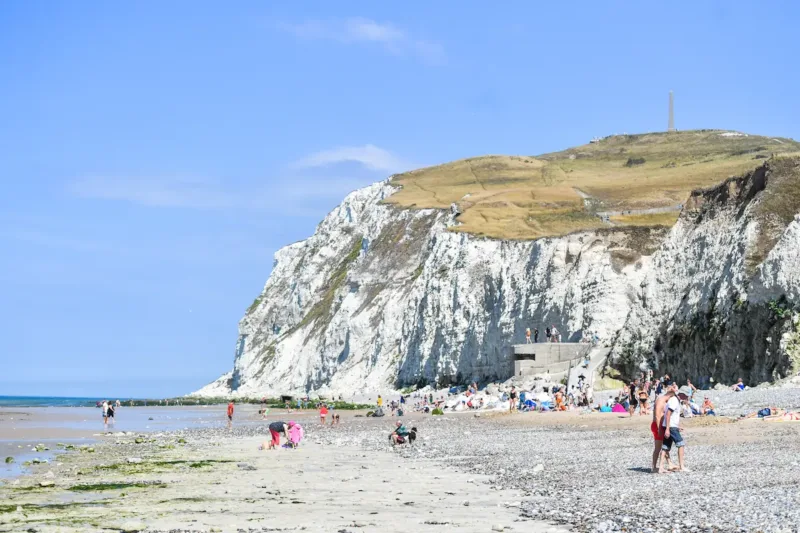
The Opal Coast at a glance
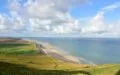
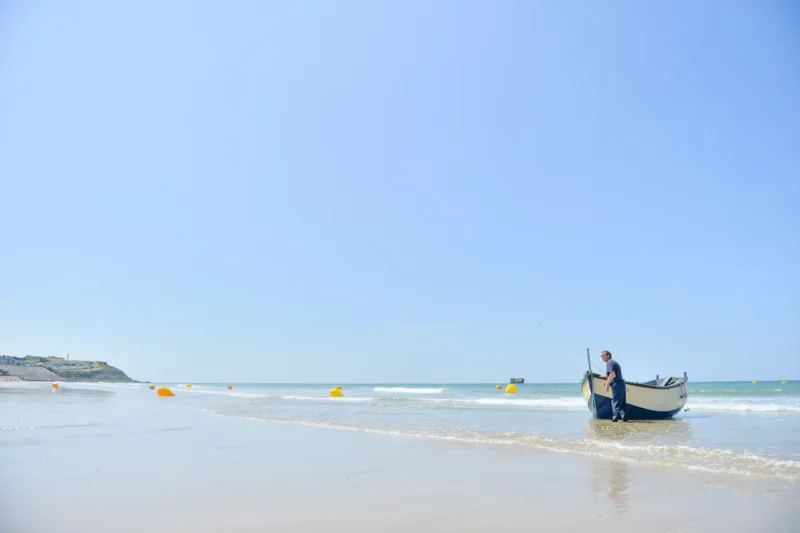
Discover the iconic white cliffs of Cap Blanc-Nez, the vast sandy beaches of Hardelot and Le Touquet, charming seaside towns, Europe’s largest aquarium at Nausicaá and breathtaking coastal landscapes. Whether you’re planning a day trip, a weekend break or a longer holiday, the Opal Coast offers unforgettable experiences just across the Channel.
- 120 km of spectacular coastline
- The closest French coastline to the UK
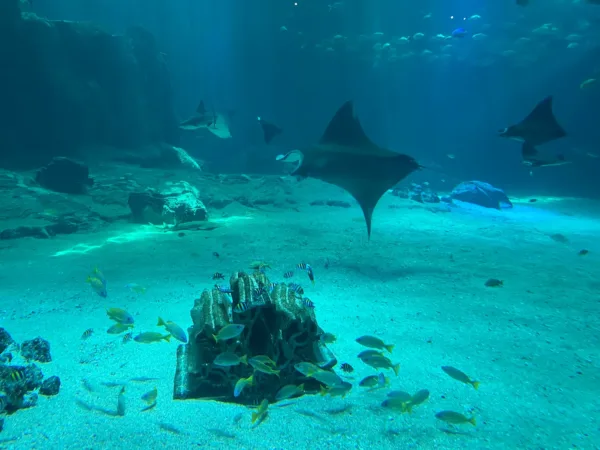
- Europe’s largest aquarium, Nausicaá
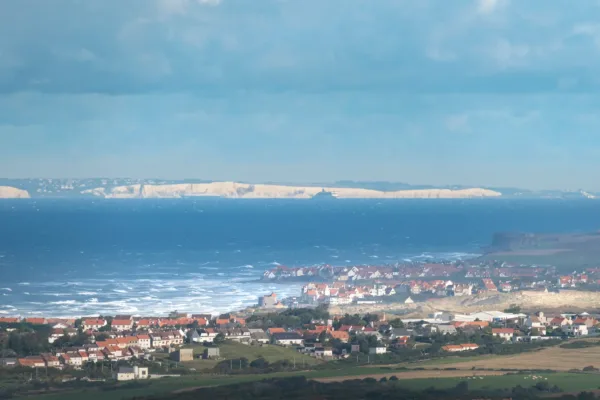
- White cliffs facing England
- Around 35 minutes from Folkestone
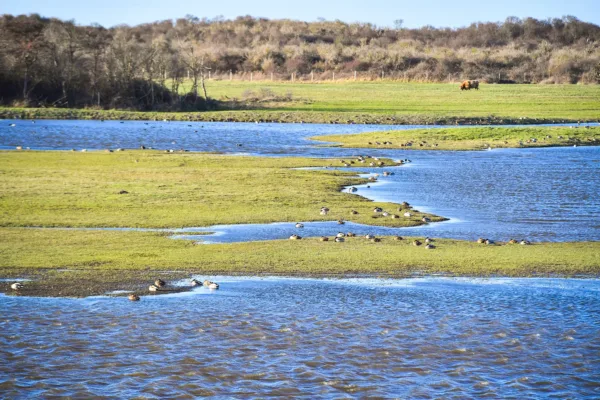
- Sandy beaches, dunes and nature reserves
Map of the Opal Coast

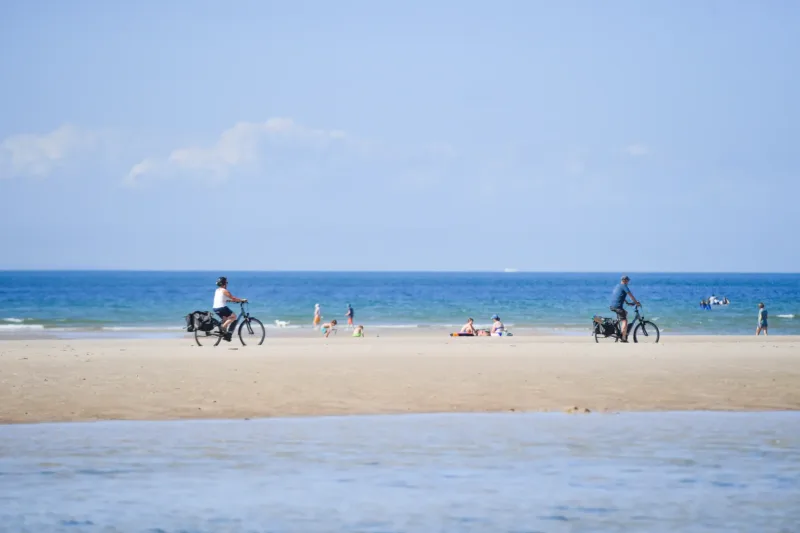
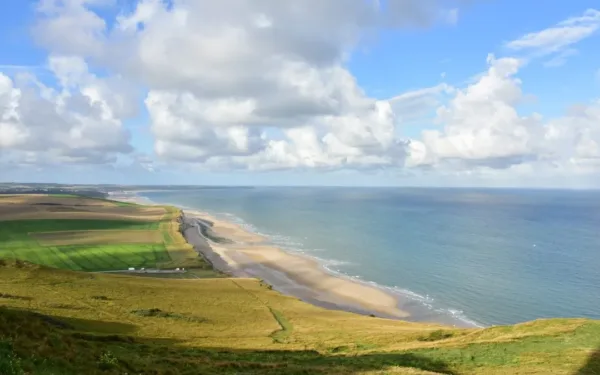
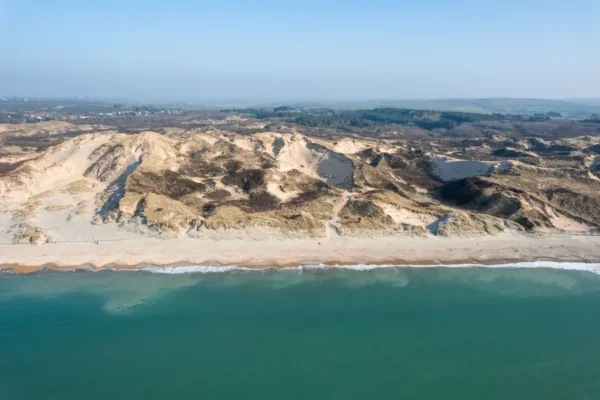
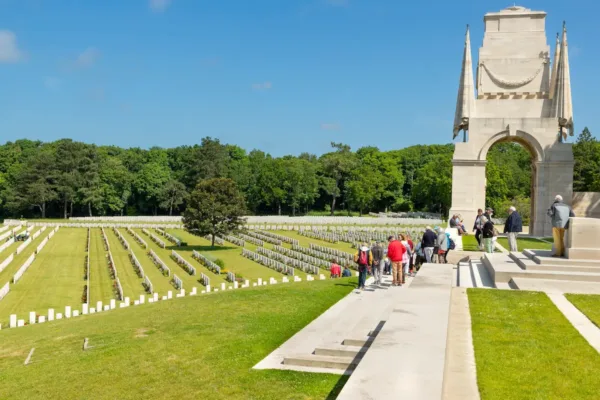
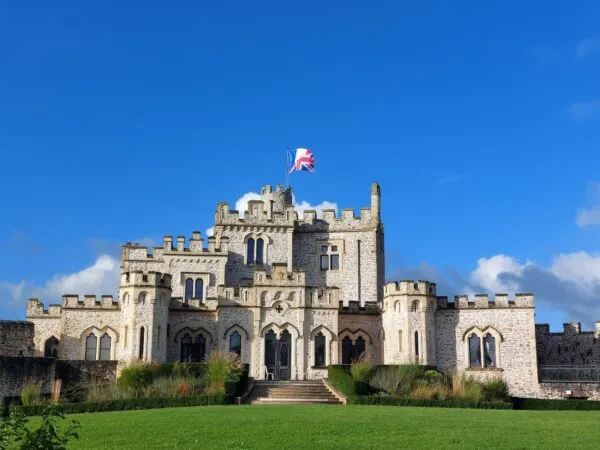
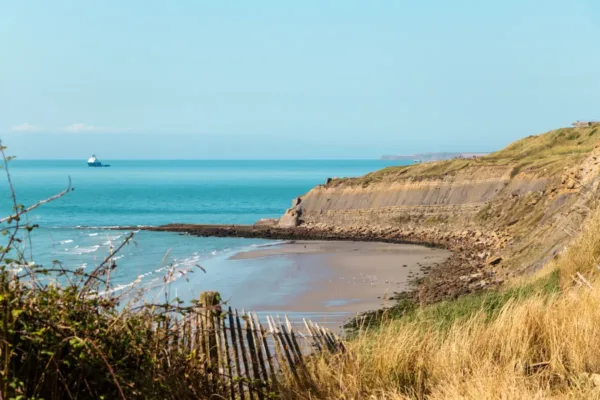
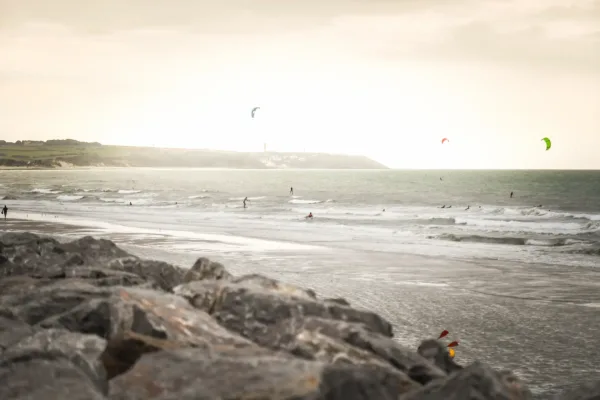
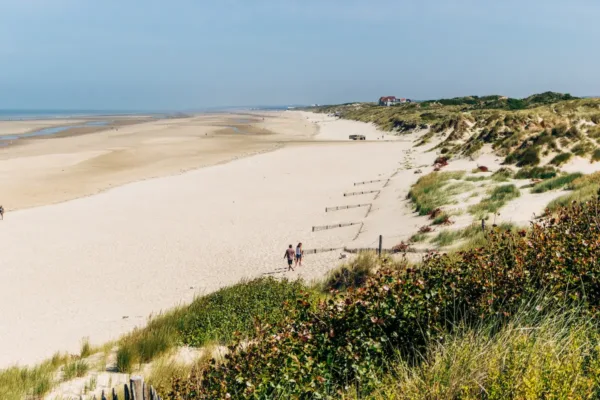
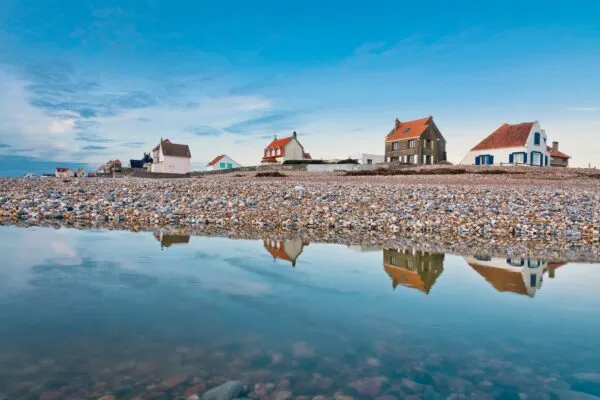
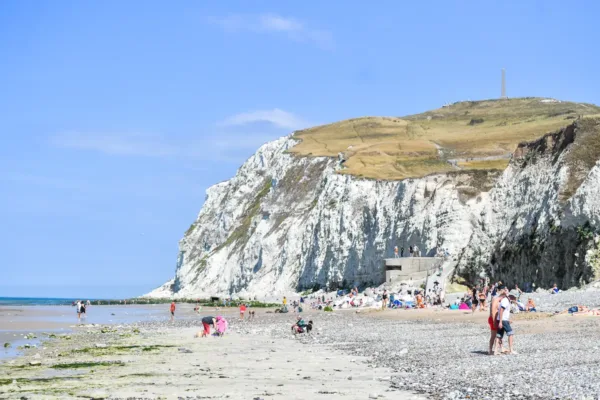
Along the Opal Coast, Pas-de-Calais reveals some of northern France’s most spectacular coastal scenery. From Calais and the Two Caps to Boulogne-sur-Mer, Wimereux and Le Touquet, discover dramatic cliffs, vast sandy beaches, seaside resorts and fishing villages, all within easy reach of the UK.


-
Where is the Opal Coast in France?
The Opal Coast stretches from Calais to Berck-sur-Mer along the Pas-de-Calais coastline in northern France. As the closest part of France to the UK, it is easily reached by ferry or LeShuttle, making it ideal for day trips, weekends and longer holidays.
-
Why is it called the Opal Coast?
The Opal Coast takes its name from the ever-changing colours of the sea and sky, which can shimmer from deep blue to emerald green and silver, much like an opal gemstone. The name was coined by painter Édouard Lévêque in the early 20th century.
-
What are the best things to do on the Opal Coast?
The Opal Coast offers something for every traveller. Explore the spectacular cliffs of Cap Blanc-Nez and Cap Gris-Nez, visit Nausicaá in Boulogne-sur-Mer, meet the Dragon of Calais, discover the historic centres of Calais and Boulogne-sur-Mer, walk part of the GR120 coastal trail, enjoy fresh seafood in traditional fishing ports or relax on the region’s long sandy beaches.
-
What are the best beaches on the Opal Coast?
Some of the most popular beaches include Le Touquet-Paris-Plage, Hardelot, Berck-sur-Mer, Wissant, Wimereux, Stella-Plage, Merlimont and Sainte-Cécile. Each offers a different atmosphere, from elegant seaside resorts to peaceful natural beaches.
-
How far is the Opal Coast from Calais?
Many of the Opal Coast’s highlights are within 15 to 60 minutes of Calais by car. Wissant is around 20 minutes away, Boulogne-sur-Mer about 35 minutes, Hardelot around 45 minutes and Le Touquet just over an hour.
-
Can you visit the Opal Coast on a day trip from England?
Yes. Thanks to the short crossing from Dover or Folkestone, many visitors enjoy a day trip to the Opal Coast. Calais, the Two Capes, Wissant and Boulogne-sur-Mer can all easily be explored in a single day.
-
When is the best time to visit the Opal Coast?
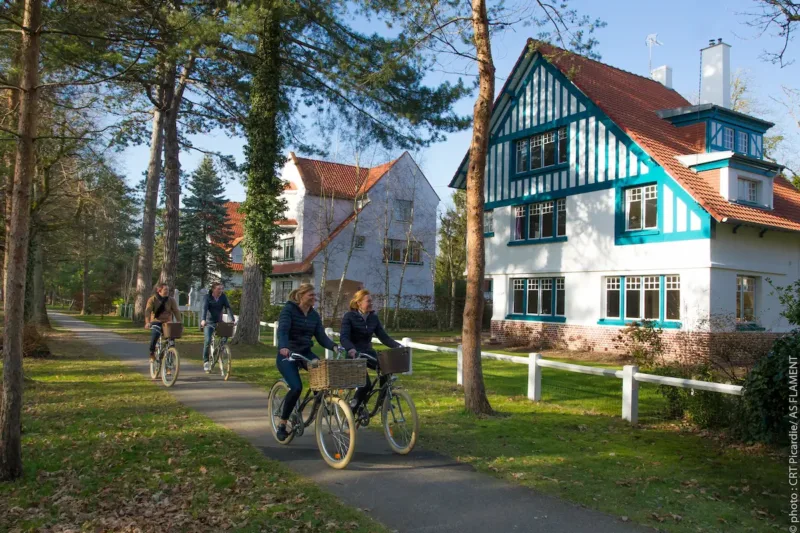
The Opal Coast can be visited all year round. Spring and autumn are ideal for walking and cycling, summer is perfect for beaches and outdoor activities, while winter offers dramatic coastal scenery and quieter towns.
-
Is the Opal Coast suitable for families?
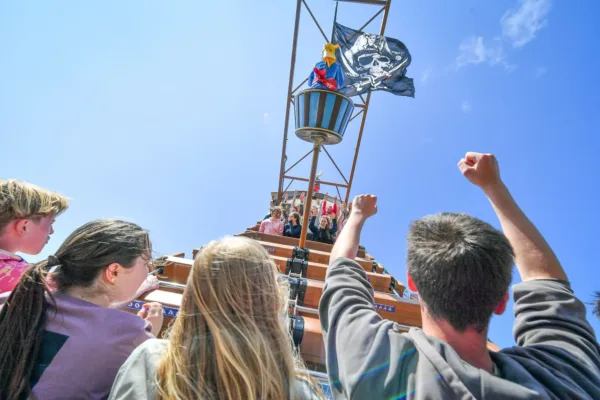
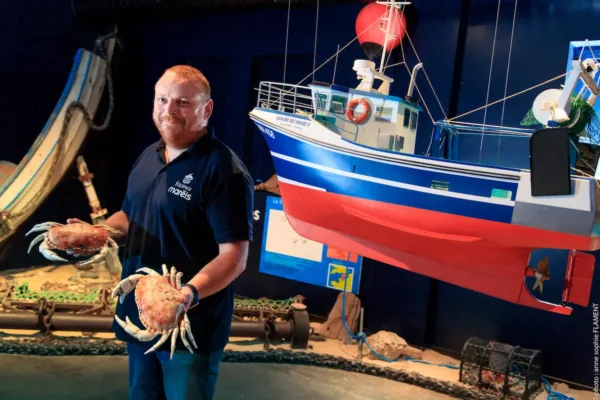
Absolutely. Families can enjoy wide sandy beaches, Nausicaá, Parc Bagatelle, the Dragon of Calais, Maréis, cycling routes, nature reserves and many child-friendly activities throughout the region.