Arc 1825, two centuries of glass in the heart of Arques
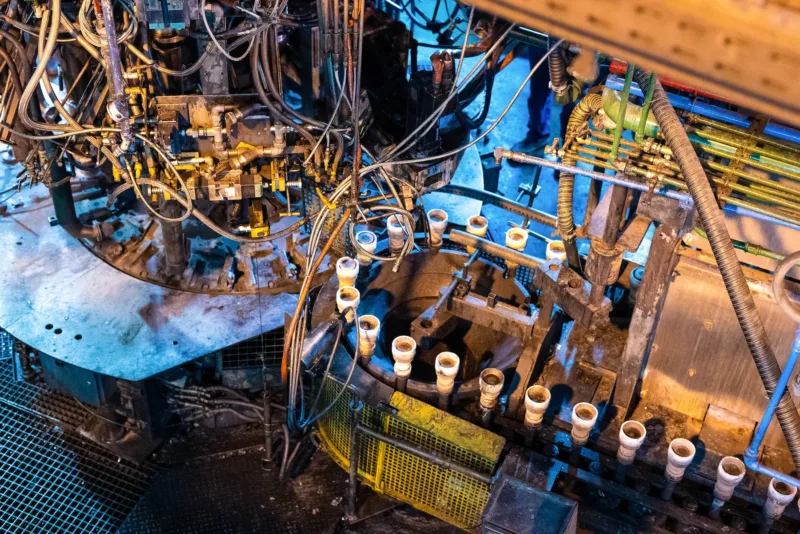
Founded in 1825, Arc 1825 Glassworks grew from a small furnace in Arques into a world leader in tableware, now welcoming visitors onto its 190-hectare site for a guided walk through 200 years of glassmaking. It’s a piece of the Pas-de-Calais still very much at work.
Arc 1825, a manufacture that grew into a world leader in tableware
Arc 1825 is a glassworks in Arques, Pas-de-Calais, founded in 1825 and now standing as a world leader in tableware. A small northern French workshop that quietly outgrew its own ambitions: four brands, two centuries, and millions of glasses a day later, it’s still going strong.
Practical information :
-
Address : 132 Avenue du Général de Gaulle, 62510 Arques
-
Phone : +33 (0)3 21 12 74 74
-
Hours of operation : Monday to Friday, 10am to 6.30pm; Saturday, 10am to 7pm; closed Sundays and bank holidays. Bookings required.
-
Good to know: Access to the visitor site requires a personal vehicle (campervans, bicycles and pedestrians aren’t permitted), since the visitor centre sits 500 metres from the shop. On arrival, visitors receive a circulation badge in exchange for valid ID, compulsory for moving around the site and to be returned at the end of the tour.
-
From a single furnace to a pioneer of French industry
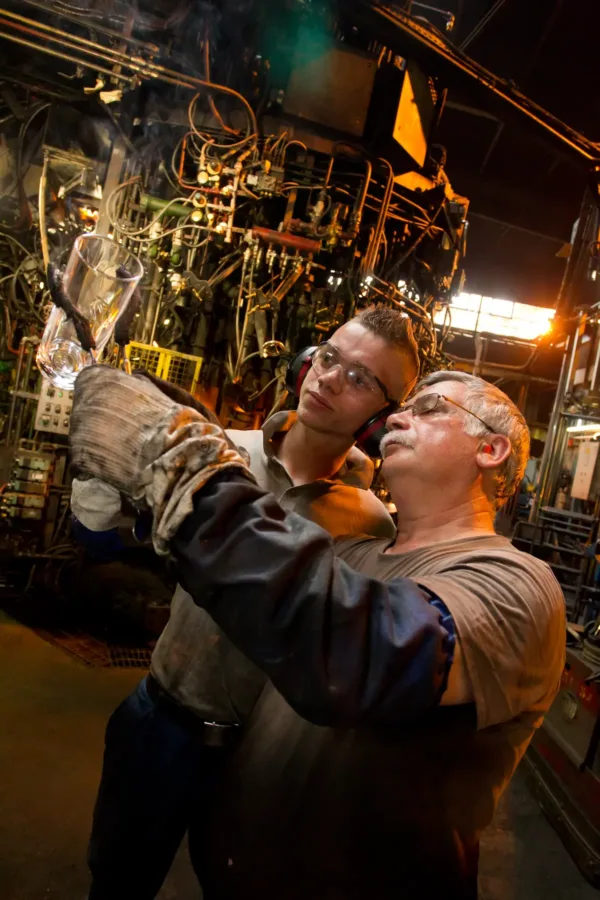
Arc becomes a pioneer as early as 1930, installing the first tank furnace and the first presses on site, well ahead of its time. A few years later, glass-blowing machines imported from the United States arrive at Arques, technology barely known anywhere else on the European continent. This is where the story of glass really starts, not with polish and prestige, but with furnaces, presses, and a workshop willing to gamble on new ideas.
-
Four brands, one century of reinvention
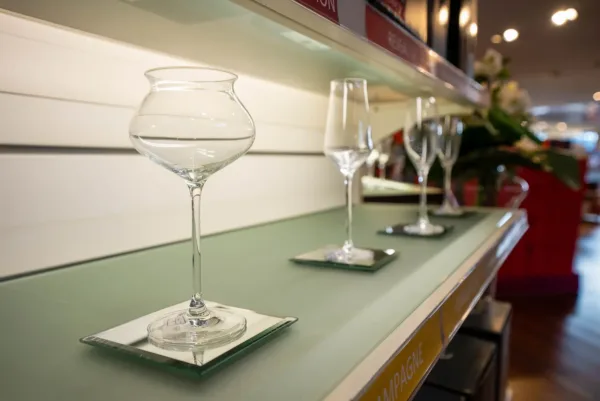
Luminarc is born in 1948 and remains, to this day, the brand generating the group’s largest revenue. Arcoroc follows in 1958, built around shock-resistant tempered glass. Then comes Cristal d’Arques in 1968, following automated crystal stemware production developed from 1960, a first in France that brought crystal within everyone’s reach. Chef&Sommelier rounds things out in 2008, designed for hospitality professionals. The group is recapitalised in 2015 by Dick Cashin, then strengthened further in 2025 by Pascal Cagni and Patrick Molis.
- Founded in Arques in 1825
- 6,100 employees, 3 million items a day
- Four brands: Luminarc, Arcoroc, Cristal d’Arques, Chef&Sommelier
- Recapitalised in 2015 and again in 2025
 © Les coflocs
-
The Arc 1825 guided tour, a city within a city across 190 hectares
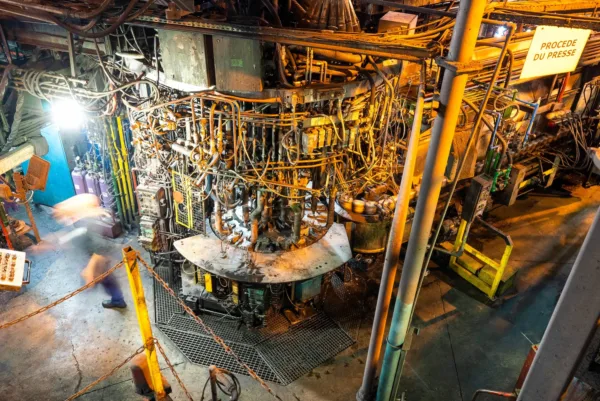
The Arc 1825 tour takes visitors through a 190-hectare industrial site, described as « a city within a city, » on a guided visit lasting around 1.5 hours, open to anyone aged 8 and over. It’s the kind of visit that turns glassmaking from an abstract idea into something you can actually watch happen.
 © Les coflocs
-
From the shop to the heart of the site
The visit opens with a warm welcome at the shop, before guests move on to the heart of the site itself. Exclusive video sequences trace 200 years of the Arc Group’s history, walking visitors through the milestones that shaped its brands. From there, the guide leads the way through the key stages of glass production, from the calibrated drop to the finished piece, with an immersive visual sequence that makes the whole journey of glass feel close enough to touch.
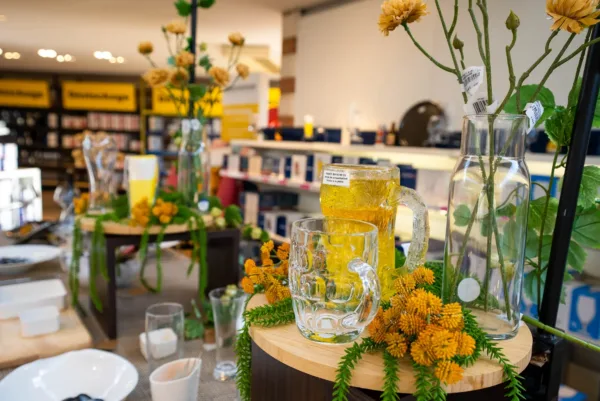 © Les Coflocs
Frequently asked questions
-
What are the opening hours at Arc 1825?
Monday to Friday, 10am to 6.30pm; Saturday, 10am to 7pm; closed Sundays and bank holidays.
-
Do I need a car to visit?
Yes, a personal vehicle is compulsory to reach the visitor site, 500 metres from the shop; campervans, bikes and walking access aren’t permitted.
-
Why Arc 1825 still belongs on the Arques itinerary
From a single furnace in 1825 to four brands and 6,100 pairs of hands still shaping glass every day, Arc 1825 tells a story that keeps writing itself. The guided tour, the calibrated drop, the badge you swap for ID at the gate: none of it was built for visitors, which is exactly what makes it worth seeing.