WW1 UNESCO World Heritage Sites in Pas-de-Calais:
Your Complete Guide
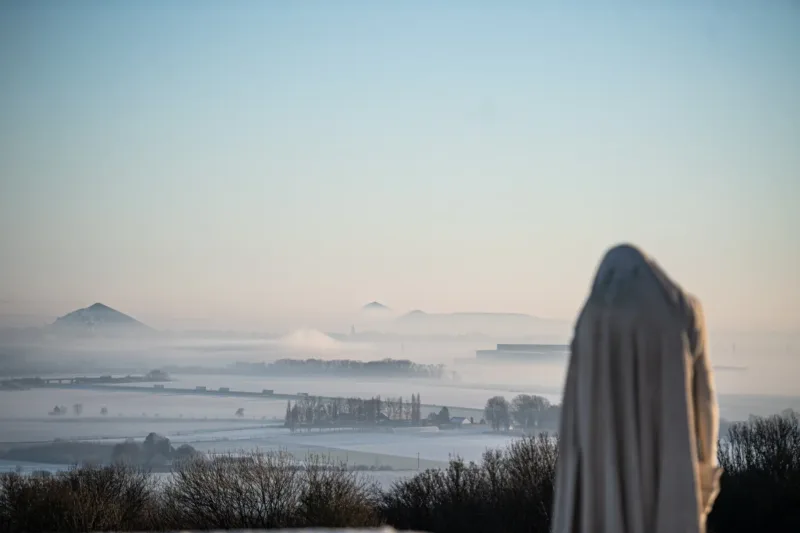
In September 2023, 139 First World War memorial and burial sites on the Western Front were inscribed on the UNESCO World Heritage List, 14 of them are located in the Pas-de-Calais department of northern France. These sites include military cemeteries, battlefield memorials, and national necropolises honouring soldiers from over 130 nations.
What is the WW1 Western Front
UNESCO listing?
In September 2023, 139 funerary and memory sites of the First World War (Western Front) were officially added to the UNESCO World Heritage List. The inscription covers two countries, Belgium and France, with sites located in Wallonia (16 sites), Flanders (27 sites) and France (96 sites).
The listing recognises the universal significance of these places of remembrance, where soldiers from more than 130 modern-day nations fought and died between 1914 and 1918. The Western Front stretched for around 700 km from the North Sea to the Swiss border, passing through what is now the Pas-de-Calais region. Today, these memorials stand as powerful symbols of remembrance, peace and international reconciliation.
Key facts at a glance
| Detail | Figure |
|---|---|
| Total UNESCO-listed WW1 sites | 139 |
| Sites in France | 96 |
| Sites in Pas-de-Calais | 14 |
| Nations represented | 130+ |
| UNESCO inscription date | September 2023 |
In this UNESCO listing, the Pas-de-Calais is concerned by 14 of the 139 WW1 sites
The 14 WW1 Unesco sites in Pas-de-Calais
Pas-de-Calais was one of the most fiercely contested regions of the Western Front. Today, it is home to 14 of the 139 UNESCO-listed First World War memorial sites, making it the French department with the highest concentration of UNESCO sites linked to the Great War.
-
Ablain-Saint-Nazaire
Notre-Dame-de-Lorette
Notre-Dame-de-Lorette French National Necropolis: The largest French military cemetery in the world, containing more than 40,000 graves. Next to the cemetery, the Ring of Remembrance, inaugurated in 2014, bears the names of almost 580,000 soldiers from more than 40 nations who died on the Western Front during the First World War.
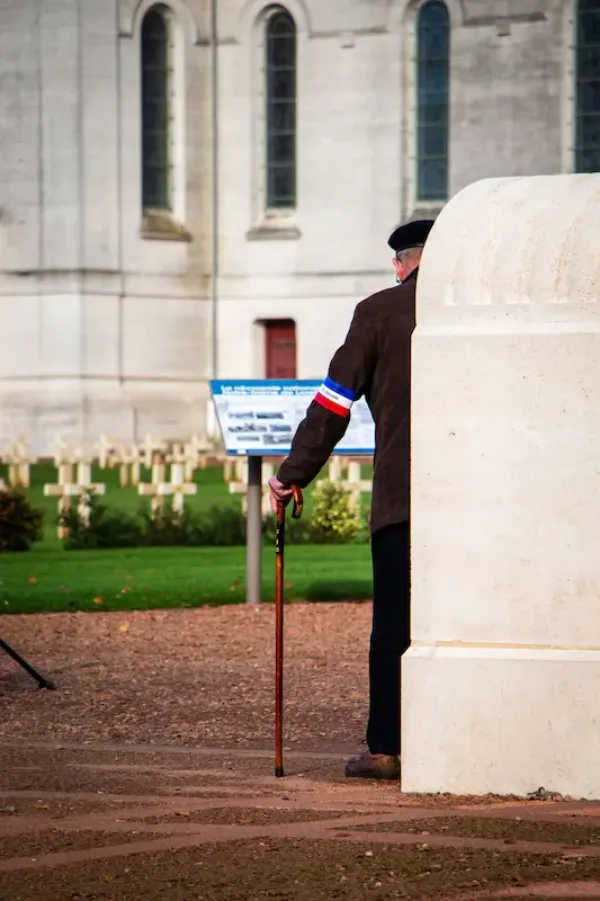 © S. Brissaud Pas de Calais Tourisme
-
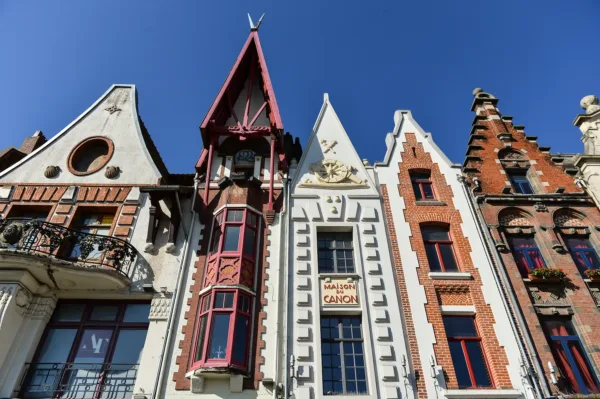
Arras
Faubourg d’Amiens Cemetery
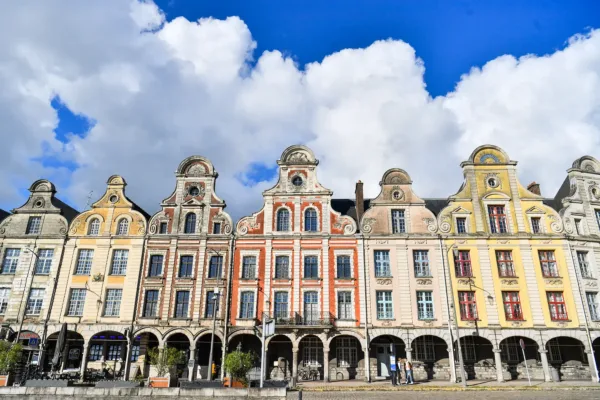
Faubourg d’Amiens Cemetery: Home to the Arras Memorial, commemorating more than 35,000 Commonwealth soldiers with no known grave, and the Arras Flying Services Memorial, honouring almost 1,000 airmen. While you’re here, take time to explore the historic city of Arras, famous for its UNESCO-listed belfry and magnificent Flemish baroque squares. Discover Arras →
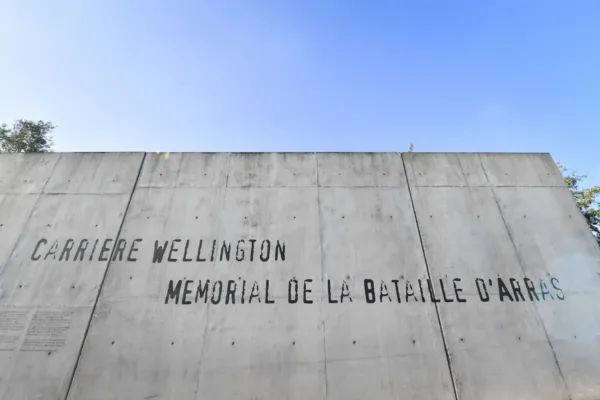
-
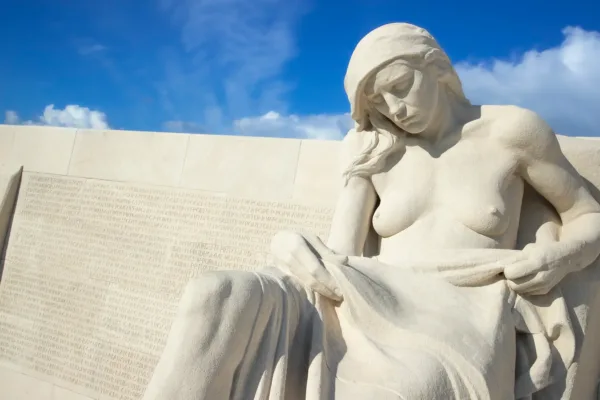
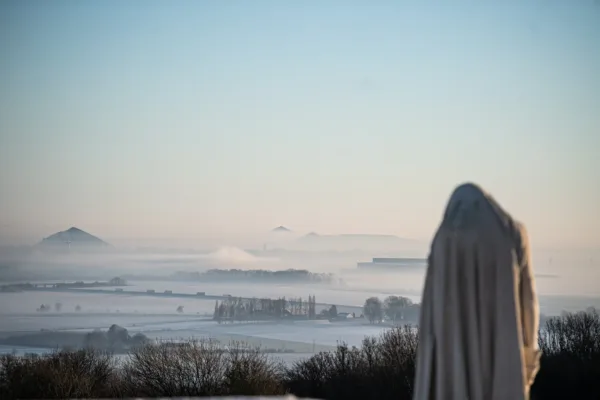
Canada’s most significant War Memorial
Vimy Ridge
Three UNESCO-listed memorial sites form the Vimy complex, one of the most important First World War remembrance destinations in France.
- Canadian National Vimy Memorial (Givenchy-en-Gohelle): Canada’s most important overseas war memorial, overlooking the Artois plain.
- Canadian Cemetery No. 2 (Neuville-Saint-Vaast): Final resting place of Canadian soldiers who fought during the Battle of Vimy Ridge.
- Givenchy Road Canadian Military Cemetery (Neuville-Saint-Vaast): A peaceful Commonwealth cemetery dedicated to Canadian servicemen.
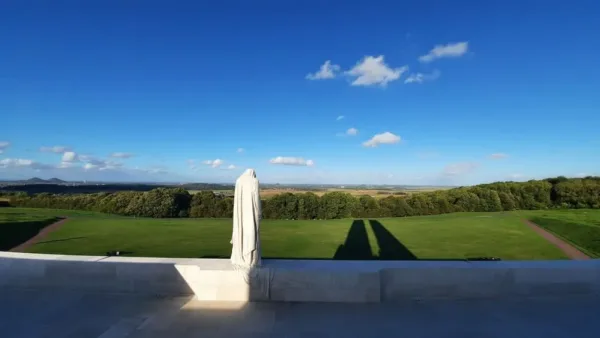 © Benoît Diéval Pas de Calais Tourisme
-
Fleurbaix
Le Trou Aid Post
Le Trou Aid Post Cemetery: A small Commonwealth cemetery established close to the former front line, representing the aid post cemeteries created near the battlefield during the First World War.
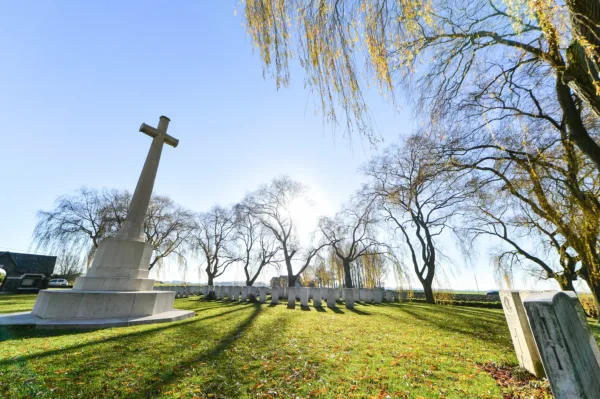 © Yannick Cadart-CD62
-
Richebourg
Neuve Chapelle Memorial
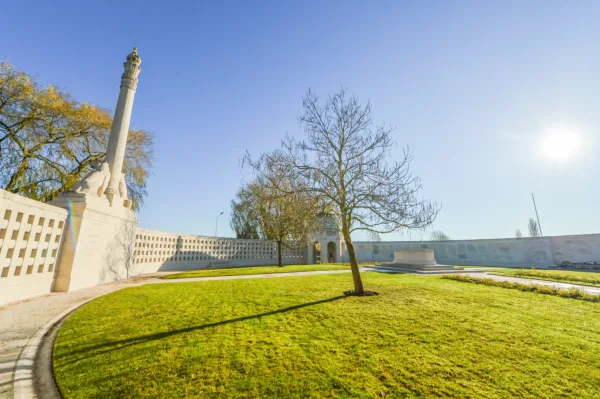
- Neuve-Chapelle Indian Memorial: Commemorates 4,742 soldiers of the British Indian Army who died on the Western Front and have no known grave.
- Richebourg Portuguese Military Cemetery: One of the few Portuguese military cemeteries on the Western Front, honouring the Portuguese Expeditionary Corps that fought in France during the First World War.
 © Yannick Cadart-CD 62
-
Thélus
Lichfield Crater
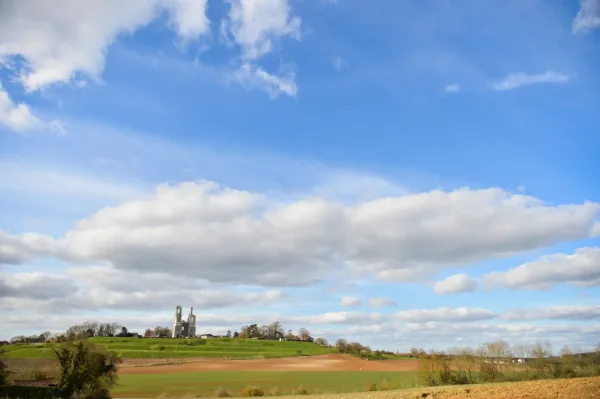
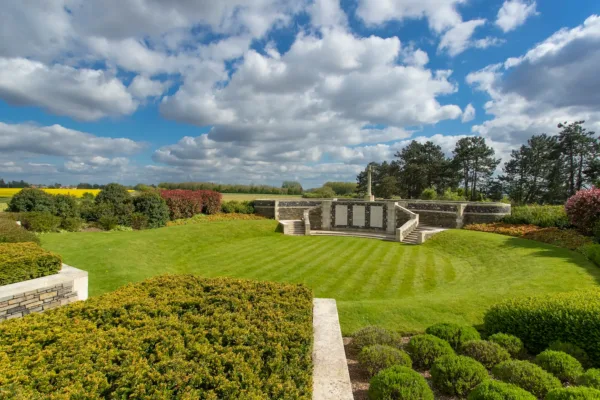
Lichfield Crater: A unique Commonwealth cemetery created inside a shell crater on Vimy Ridge, illustrating the devastating impact of the First World War on the landscape.
 © Anne-Sophie Flament
-
Loos-en-Gohelle
Dud Corner Cemetery
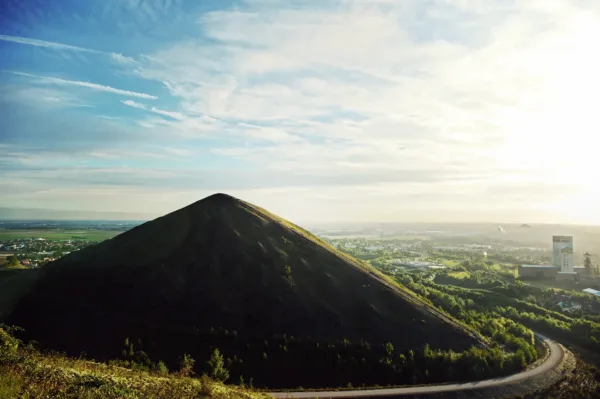
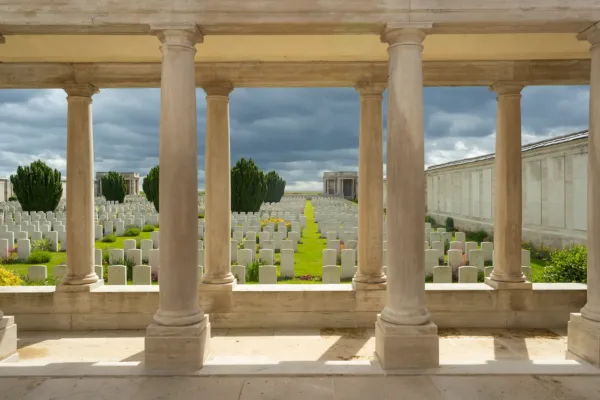
Dud Corner Cemetery and Loos Memorial: The Loos Memorial commemorates more than 20,000 Commonwealth soldiers with no known grave, many of whom were killed during the Battle of Loos in 1915. Nearby, explore the UNESCO-listed mining landscape that was once at the heart of the Western Front. Explore the area →
 © Anne-Sophie Flament
-
Neuville-Saint-Vaast
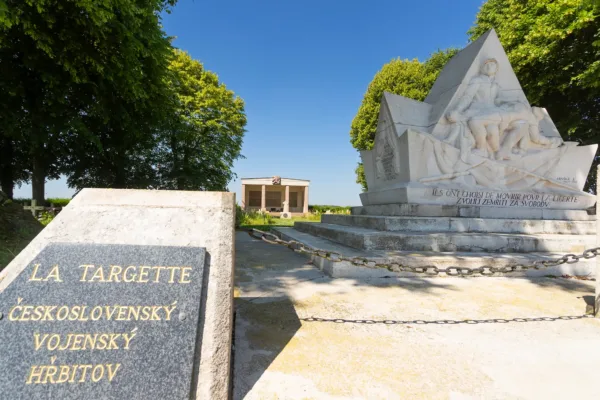
La Targette – French national necropolis and British cemetery
Three UNESCO-listed memorial sites in Neuville-Saint-Vaast reflect the multinational nature of the First World War.
- La Targette: Home to both the French National Necropolis and the La Targette British Cemetery, honouring soldiers from two allied nations.
- La Maison Blanche: One of the largest German military cemeteries in France, containing more than 44,000 graves.
- Czechoslovak Cemetery and Memorial: Commemorates the Czech and Slovak volunteers who fought alongside the French Army during the First World War.
 © Anne-Sophie Flament
-
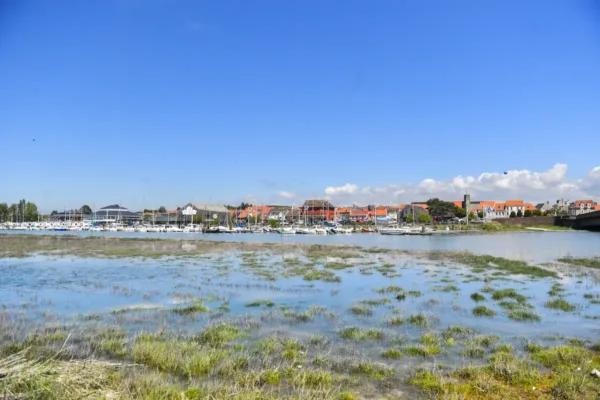
Etaples-sur-Mer
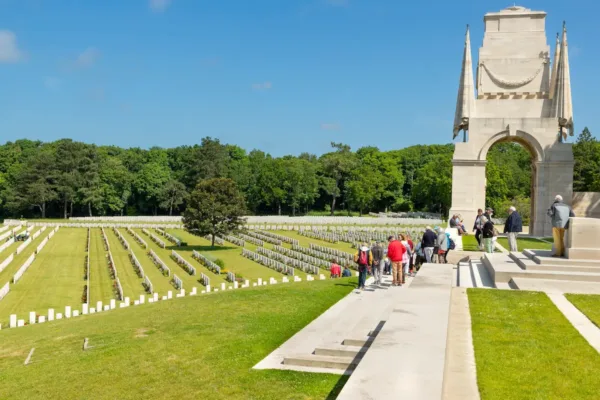
Étaples Military Cemetery
Étaples Military Cemetery: The largest Commonwealth War Graves Commission (CWGC) cemetery in France, with more than 11,500 burials. During the First World War, Étaples was one of the British Army’s largest base camps and hospital centres. After your visit, take time to explore the town’s fishing harbour, market and maritime heritage. Visit Étaples →
 © Anne-Sophie Flament
-
Wimereux
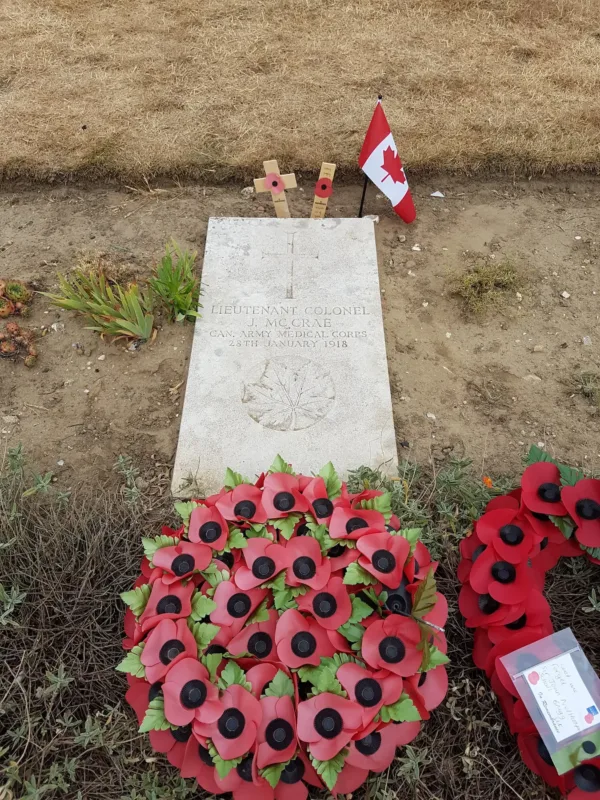
Wimereux Communal Cemetery
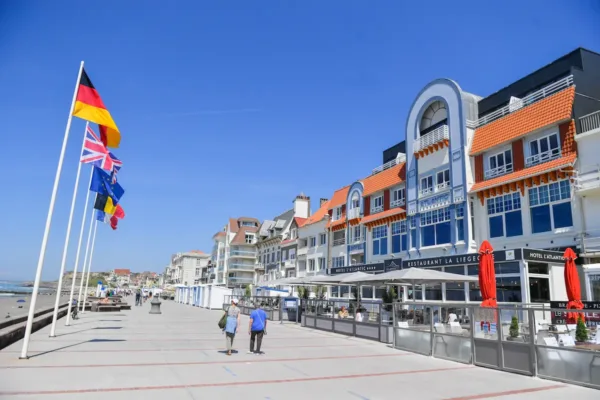
Wimereux Communal Cemetery: Best known as the final resting place of Lieutenant-Colonel John McCrae, the Canadian doctor and soldier who wrote the famous poem In Flanders Fields. After your visit, enjoy the elegant Belle Époque seafront and promenade of Wimereux. Discover Wimereux →
 © Andy Sutcliffe
Why were these sites listed by UNESCO?
UNESCO’s World Heritage Committee recognised these sites for their Outstanding Universal Value under cultural criteria. The listing acknowledges:
- Their role as permanent places of memory for victims from across the globe
- Their contribution to peace, reconciliation, and international fraternity
- The exceptional quality of their landscape design and funerary architecture
- Their status as living sites of remembrance, still visited by families and nations over 100 years later
The Western Front sites join other UNESCO World Heritage Sites in Pas-de-Calais, including the Nord-Pas de Calais Mining Basin (listed 2012) and the Belfries of Belgium and France (listed 1999/2005).
Frequently Asked Questions
-
What does it mean for a site to be UNESCO World Heritage listed?
UNESCO World Heritage status is granted to places of Outstanding Universal Value to humanity. For the WW1 sites, it means they are formally recognised as irreplaceable witnesses to one of the deadliest conflicts in human history, and their preservation is a shared international responsibility.
-
How many WW1 UNESCO sites are in France?
96 of the 139 inscribed WW1 Western Front sites are located in France, spread across the departments of Pas-de-Calais, Nord, Somme, Aisne, Marne, Meuse, and Meurthe-et-Moselle.
-
Can I visit the WW1 UNESCO sites in Pas-de-Calais?
Yes — all 14 Pas-de-Calais UNESCO sites are open to the public and free to visit. Most cemeteries are maintained by the Commonwealth War Graves Commission (CWGC) or the French Souvenir Français organisation and are accessible year-round.
-
What is the best base for visiting the WW1 sites in Pas-de-Calais?
Arras makes an excellent base — it sits at the heart of the WW1 heritage circuit, within 30 km of Notre-Dame-de-Lorette, Vimy Ridge, and Neuville-Saint-Vaast. Book your stay →
-
When is the best time to visit?
The sites are accessible year-round. The period around 11 November (Armistice Day) sees commemorative ceremonies at most major sites. Spring (April–June) offers pleasant weather and fewer crowds.