
Visit Arras: Flemish squares, WW1 tunnels and underground quarries in Pas-de-Calais
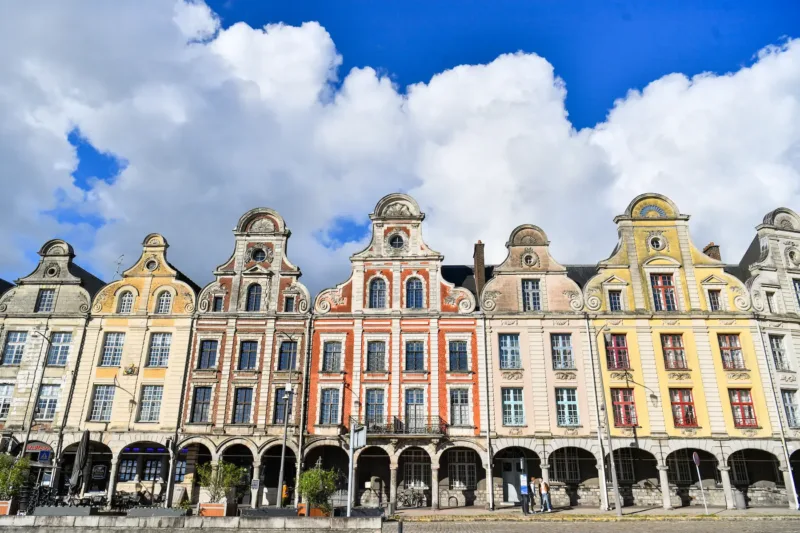
Arras is a historic city in the Pas-de-Calais region of northern France, around one hour from Calais by road. It is famous for its two UNESCO-listed Flemish Baroque squares, Place des Héros and Grand’ Place, the Wellington Tunnels, where 24,000 Allied soldiers prepared for the Battle of Arras, and the Boves, an underground network of limestone quarries dating back to the 10th century.
With its elegant architecture, lively café terraces and bustling weekly markets, Arras is one of northern France’s most attractive cities. It is also an ideal base for exploring the surrounding First World War battlefields, while its museums, galleries, Vauban Citadel and vibrant cultural scene make it a rewarding destination for history lovers and city-break visitors alike.
What to see in Arras: the essential stops
-
Attraction Why visit? Place des Héros UNESCO Flemish square with 155 Baroque townhouses. Grand’ Place Historic market square with over 1,000 years of history. Belfry UNESCO landmark with panoramic views over Arras. Hôtel de Ville & Boves Historic town hall and underground limestone galleries. Wellington Tunnels WW1 underground barracks used by 24,000 Allied soldiers. Saint Vaast Abbey & Cathedral France’s largest 18th-century religious complex. Musée des Beaux-Arts Fine art museum featuring Corot, Rubens and Brueghel. Vauban Citadel UNESCO fortress surrounded by woodland walks.
-
The two squares: Place des Héros and Grand’ Place
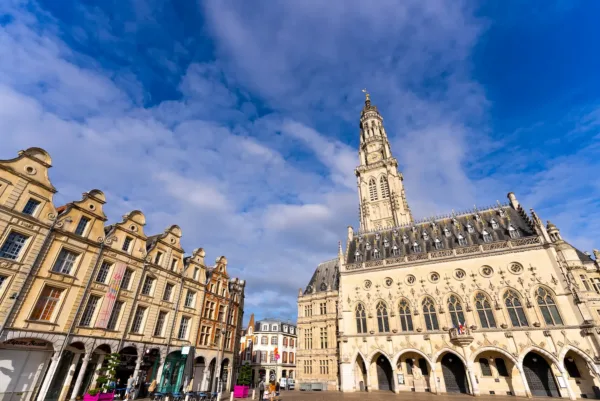
Arras is built around two interconnected squares that form the heart of the city. Place des Héros is lined with 155 Flemish Baroque townhouses dating from the 17th and 18th centuries. Most of the square was destroyed during the First World War and meticulously rebuilt. The reconstruction is so accurate that it is difficult to tell the difference. A Timescope in the southern corner allows visitors to experience what the square looked like during the Middle Ages.
Grand’ Place reflects more than 1,000 years of history. Originally a grain market, it remains the vibrant centre of the city today. The Hôtel des Trois Luppars, dating from 1467, is the oldest building in Arras and the only one to retain the distinctive crenellated roofline typical of Flemish architecture. Every Saturday morning, both squares come alive with one of the region’s largest and most popular markets.
 © Les Coflocs
-
Under the city: the Boves
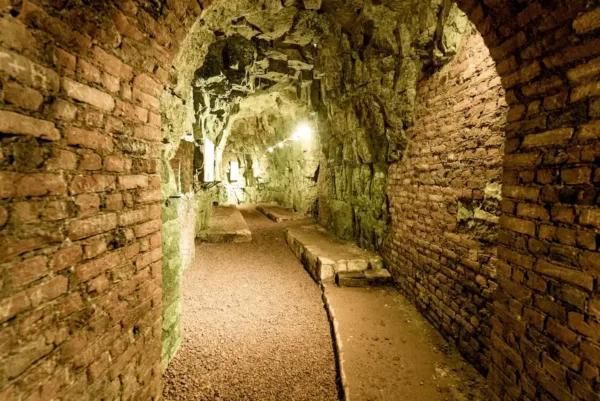
Beneath Place des Héros, the Boves form a fascinating network of underground limestone quarries reaching depths of up to 12 metres. Created in the 10th century, they were later transformed by local innkeepers and merchants into storage cellars. Some are still used by their descendants today. Guided tours begin at the Hôtel de Ville.
 © Les cloflocs
-
The Wellington Tunnels: Arras and the First World War
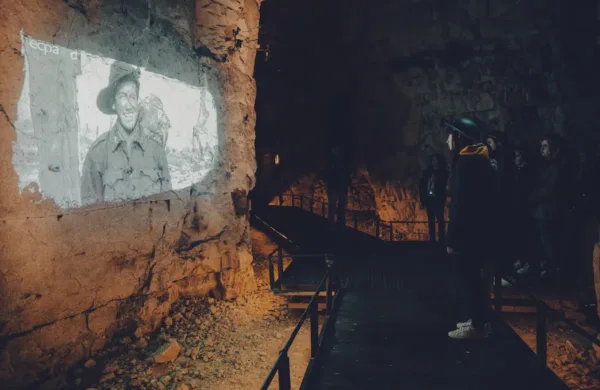
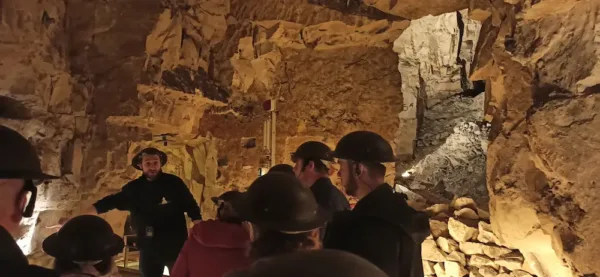
On the southern edge of the city, Carrière Wellington is one of the most important First World War sites in northern France. The underground tunnels were excavated by New Zealand tunnellers between 1916 and 1917 to prepare the Battle of Arras. Before the Allied offensive of April 1917, more than 24,000 soldiers were hidden here in a vast underground barracks. Today, guided tours take visitors through the original galleries, where inscriptions and carvings left by the soldiers can still be seen.
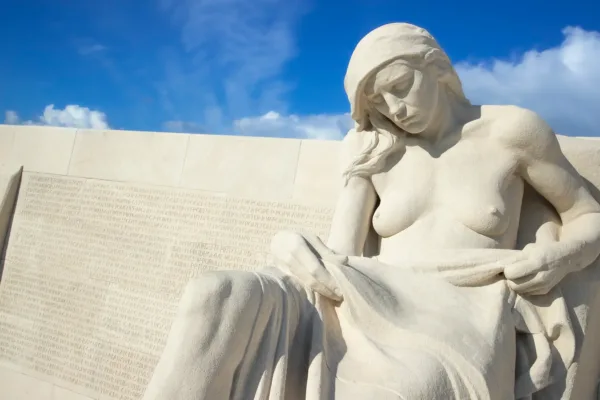
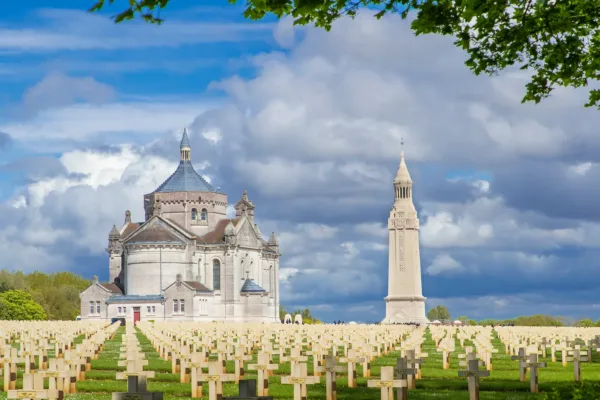
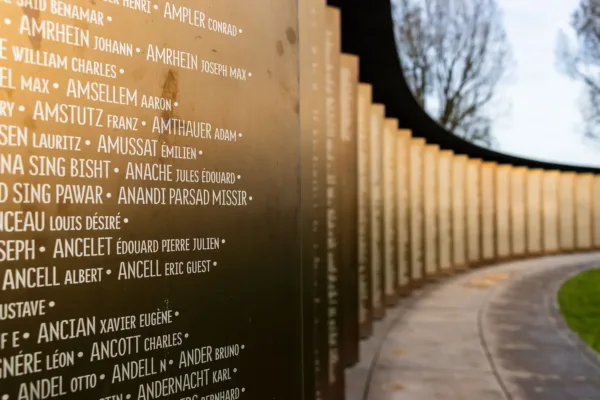
Arras is also the ideal starting point for exploring the First World War battlefields of Pas-de-Calais. The Canadian National Vimy Memorial is just 11 km north of the city, while numerous memorials, museums and Commonwealth war cemeteries are within easy reach.
 © Bastien Pradeau Pas de Calais Tourisme
-
The Belfry: panoramic views over Arras
The Belfry, a UNESCO World Heritage Site, rises 75 metres above the Hôtel de Ville and is crowned by a golden lion, the symbol of Arras. A lift from the Tourist Office takes visitors most of the way to the top, followed by a final climb of 40 steps to enjoy panoramic views over the city and the surrounding countryside.
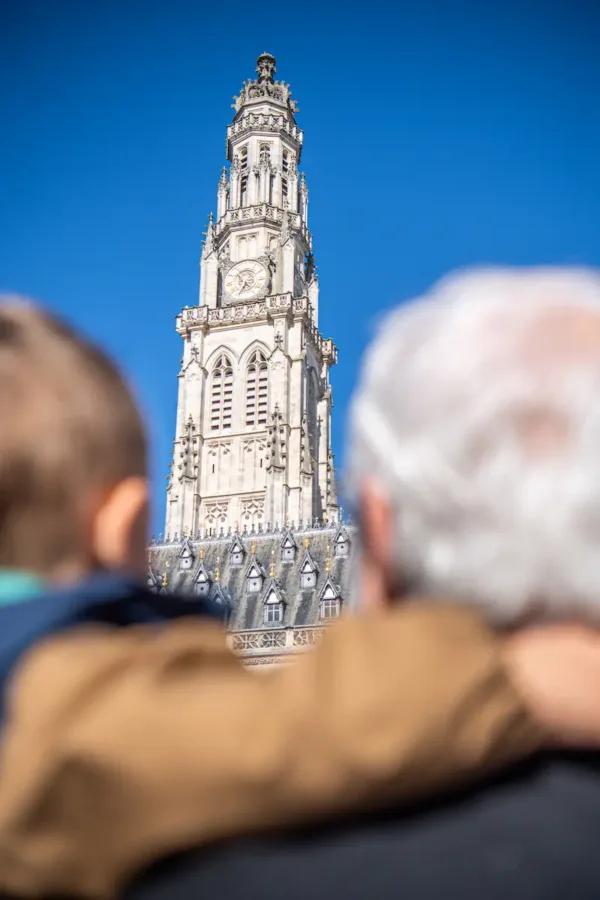 © Yannick Cadart-CD 62
-
Markets and local food in Arras
Arras hosts markets every Wednesday morning on Place des Héros, specialising in fresh food, and every Saturday morning across Place des Héros, Grand’ Place and Place de la Vacquerie, where you’ll find food, clothing and household goods. The Saturday market is one of the largest in the Pas-de-Calais.
- Au Bleu d’Arras (Place des Héros): Discover the city’s famous blue Arras porcelain, a traditional local craft.
- La Prairie (near Place des Héros): A renowned cheese shop and delicatessen selling regional specialities, including Petit Dieu and Maroilles cheeses, alongside charcuterie and Bresse chicken.
- Boyaval (Rue Emile Legrelle): A well-known homeware shop offering quality household goods and gifts.
The main shopping streets are Rue Gambetta, Rue Désiré Delansome, Rue Emile Legrelle and Rue Ronville.
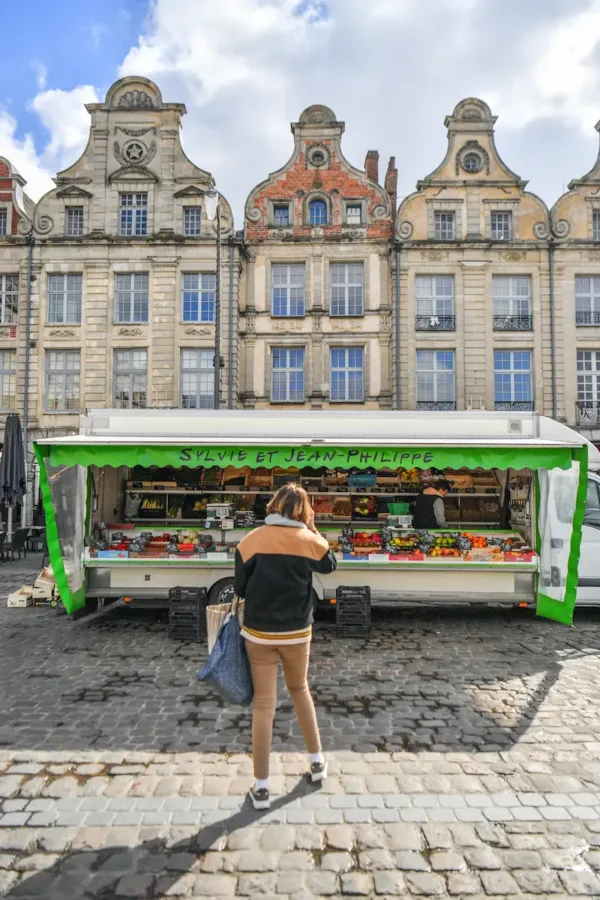 © Yannick Cadart-CD 62
-
Arras: Musée des Beaux-Arts
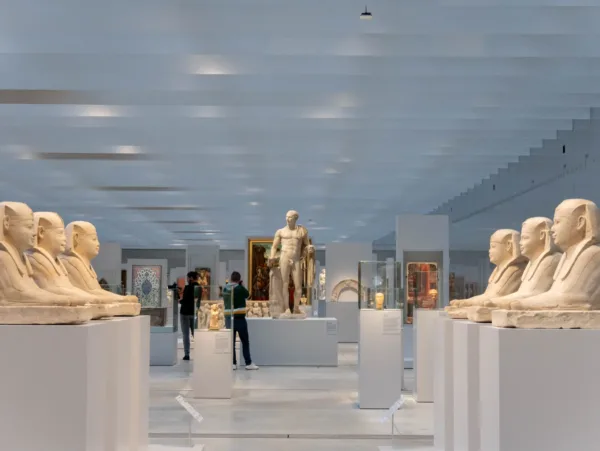
Saint Vaast Abbey’s dignified interior is a suitable setting for some exceptionally fine works of art. Within its airy galleries you’ll see works by artists of the Arras School, including a large collection by Camille Corot, as well as paintings by Rubens and Brueghel. Here you’ll discover more of the city’s history through its art, tapestries and artefacts, and a giant relief map reveals what Arras looked like before the Citadel was built in the 17th century.
More detail on Arras museum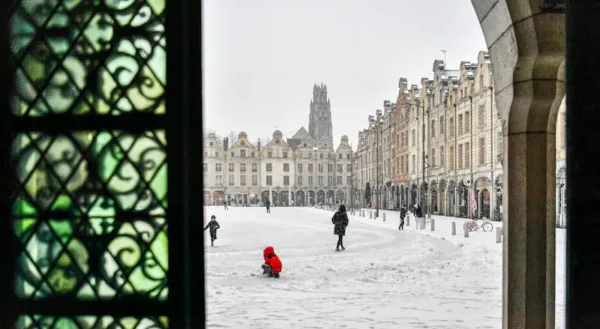
-
The Citadel of Arras
Covering the south-western edge of the city, the Citadel of Arras was designed by Vauban in the late 17th century. Wander through its vast grounds, where former military barracks have been transformed into homes, workshops and cultural spaces, before continuing into the surrounding woodland. Families can also enjoy the adventure course that winds through the forest.
 © Yannick Cadart CD62
Getting to Arras from the UK
Getting there: Just over an hour’s drive from Calais via the A26 motorway, Arras is one of the easiest historic cities in France to reach from the UK. Direct trains connect Arras to Lille in around 30 minutes, while London travellers can take the Eurostar to Lille before continuing by train. Whether you’re planning a day trip or a weekend escape, Arras is within easy reach.
FAQ: Arras for UK visitors
-
What is Arras famous for?
Arras is known for its two Flemish baroque squares (Place des Héros and Grand’ Place), the Wellington Tunnels WW1 museum, and the Boves — a network of underground limestone quarries beneath the city centre dating from the 10th century. The Belfry, at 75 metres, is UNESCO-listed.
-
What are the Wellington Tunnels in Arras?
The Wellington Tunnels (Carrière Wellington) are a WW1 underground barracks dug by New Zealand sappers between 1916 and 1917. Before the Battle of Arras in April 1917, 24,000 soldiers lived here. The site is now a guided museum on the southern outskirts of the city.
-
What are the Boves in Arras?
The Boves are underground limestone quarries beneath the city centre, dating from the 10th century and reaching up to 12 metres deep. From the 12th century they were used as storage tunnels by local traders. Guided tours leave from the Hotel de Ville.
-
Is Arras good for a day trip from the UK?
<p>Yes. Arras is just over an hour from Calais by road and 30 minutes from Lille by train. The two central squares, the Belfry and the Wellington Tunnels are all within easy walking distance of each other and cover a full day without a car.</p>