Wellington Quarry in Arras: discover the WW1 tunnels beneath the city
Just a short walk from the historic centre of Arras, a remarkable piece of First World War history lies hidden 20 metres beneath your feet. At Wellington Quarry (Carrière Wellington), you can explore the underground tunnels where thousands of British and Commonwealth soldiers waited before the Battle of Arras on 9 April 1917.
Today, a guided tour takes you deep into these chalk galleries, past soldiers’ graffiti, wartime objects and traces of everyday life underground. It’s one of the most moving First World War experiences in northern France, and a fascinating place to visit during a trip to the Pas-de-Calais.
-
Visiting Wellington Quarry: what to expect underground
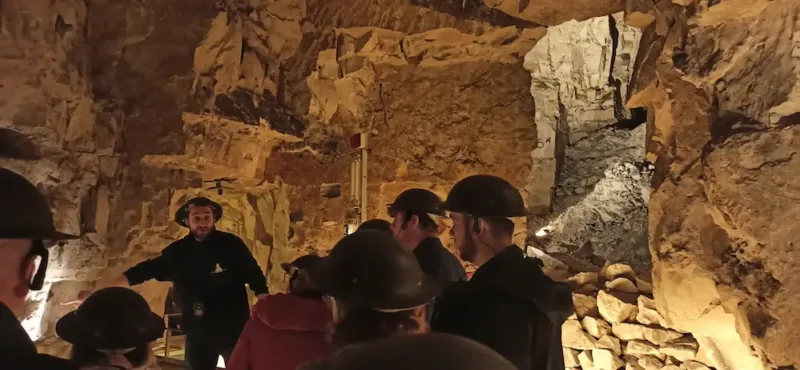
Your visit begins with a descent 20 metres below Arras in a glass lift. As you leave the daylight behind, you enter a vast underground world that once sheltered soldiers preparing for one of the major British offensives of the First World War.
The guided route follows approximately 300 metres of galleries, bringing you face to face with the extraordinary work of the New Zealand tunnellers who helped create this underground network.
- Locate the ancient underground quarries beneath the streets of Arras.
- Dig galleries linking each medieval quarry to the next.
- Push tunnels under no man’s land towards the German lines.
Beneath Arras, the New Zealand tunnellers named every quarry after a town back home. In effect, they drew a map of New Zealand in chalk on the other side of the world.
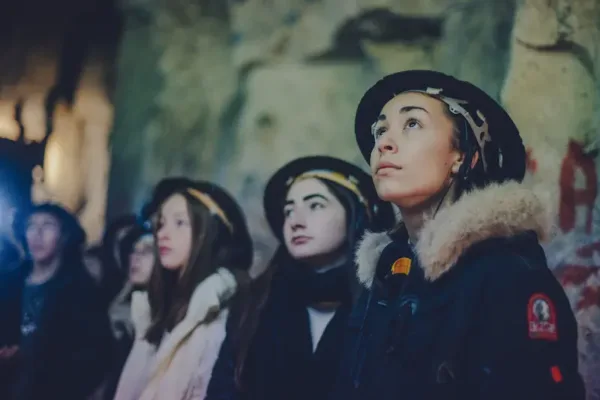 © Bastien Pradeau Pas de Calais Tourisme
-
Walk through the tunnels where soldiers waited for battle
As you explore the galleries, original inscriptions carved into the chalk reveal the human side of the war. Soldiers left behind names, drawings, references to their hometowns and messages that have survived for more than a century.
Archival photographs, historical objects and audiovisual presentations help visitors imagine what life was like underground in the days leading up to the Battle of Arras.
One of the most striking moments comes at Exit Number 10, one of the passages associated with the assault of 9 April 1917. Standing in these tunnels, knowing that thousands of men waited here before going into battle, gives the visit a particular emotional weight.
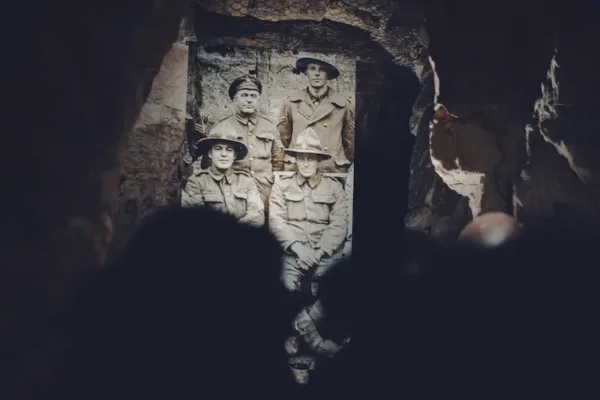 © Bastien Pradeau Pas de Calais Tourisme
-
A fascinating experience, even if you’re not a military history enthusiast
You don’t need to be an expert in First World War history to appreciate Wellington Quarry. The experience is as much about the people who lived and worked underground as it is about military events.
The surviving graffiti, the scale of the tunnels and the stories of the men who passed through them make this an accessible and memorable introduction to the history of the Western Front.
The visit is particularly worthwhile for British, Australian, New Zealand and Canadian travellers interested in discovering the places connected with their countries’ involvement in the First World War.
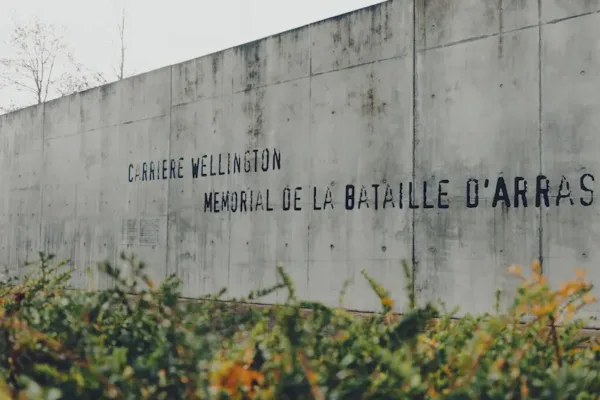 © Bastien Pradeau Pas de Calais Tourisme
Plan your visit to Wellington Quarry in Arras
-
Wellington Quarry is located close to the centre of Arras, making it easy to include in a day exploring the town or visiting the First World War memorials of the Pas-de-Calais.
- Address: Avenue Fernand Lobbedez, 62000 Arras, France.
- Location: Approximately 10 to 15 minutes’ walk from Arras town centre.
- Tour duration: Allow around 1 hour 15 minutes to 1 hour 30 minutes.
- Languages: English and French visitor options.
- Booking: Advance reservation recommended.
- Temperature: Bring a jumper or jacket, as the underground galleries remain cool throughout the year.
- Accessibility: The site offers accessible visitor facilities; contact the memorial in advance for individual requirements.
- Telephone: +33 (0)3 21 51 26 95.
-
Guided tours, duration and booking
Visits take place with a guide and an audio-guided presentation, with English-language options available. As visits take place in small groups, booking ahead is recommended, particularly during weekends, school holidays and commemorative periods.
In addition to the classic guided tour, the site offers occasional themed visits and special experiences. Check the official website for the latest programme, availability and admission prices.
-
The remarkable story behind the Wellington Tunnels
The underground passages you explore today were not originally built for war. Their story began centuries earlier, when the people of Arras extracted chalk from beneath the town to construct its buildings.
From medieval chalk quarries to a secret underground network
Arras stands on extensive chalk deposits that were quarried from the Middle Ages onwards. Over time, extraction left a network of underground chambers beneath the streets.
During the First World War, these abandoned quarries offered the British Army an extraordinary opportunity. By connecting the existing chambers, engineers could create a sheltered route towards the German lines, allowing thousands of soldiers to assemble out of sight before an attack.
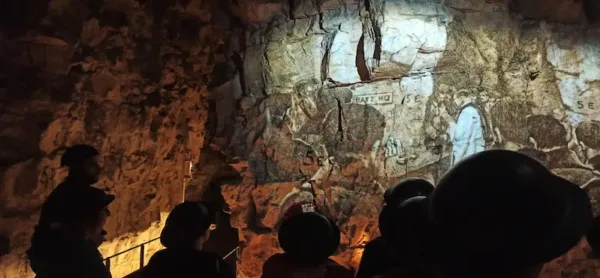 © Maïlys Torond Pas de Calais Tourisme
-
The New Zealand miners who transformed the tunnels
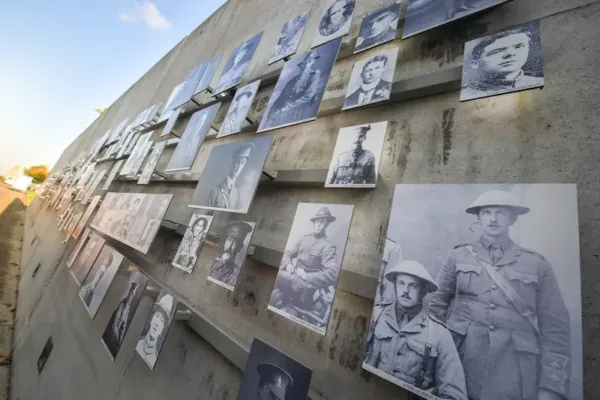
In March 1916, around 500 men of the New Zealand Tunnelling Company arrived in Arras. Many were experienced miners who had worked in gold mines, coal mines, railway construction and public works before joining the war effort.
Working alongside British and other Commonwealth tunnelling units, they connected the old chalk quarries using picks, shovels and their considerable mining expertise.
The tunnellers named the underground chambers after towns in New Zealand, including Auckland and Wellington. In doing so, they created an extraordinary underground reminder of home, thousands of miles from their families.
The resulting network extended for many kilometres beneath Arras, with passages, chambers and facilities designed to accommodate a large military force.
 © Yannick Cadart CD 62
-
Life underground before the Battle of Arras
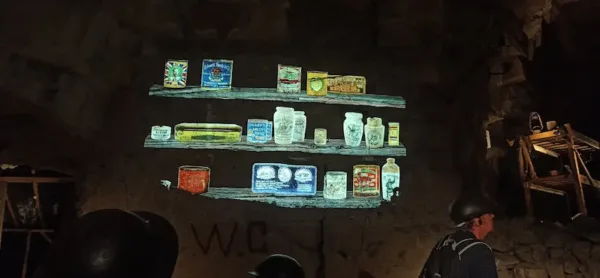
By April 1917, the tunnels had become something resembling a small underground town. Electric lighting, water supplies, kitchens, latrines and communication facilities helped support the thousands of soldiers gathering beneath Arras.
An underground hospital was also established within the network, with hundreds of beds intended to treat wounded men away from the shellfire above.
Everyday life beneath the streets
Despite these facilities, conditions underground were far from comfortable. Thousands of men lived in confined spaces, sharing basic washing facilities and waiting for orders that would take them into battle.
Yet traces of ordinary life remain. Soldiers carved their names into the chalk, drew pictures, left messages and sometimes added touches of humour. One surviving inscription reads:
“Wanted, housekeeper”
These personal details are among the most memorable aspects of Wellington Quarry. They remind visitors that behind the military statistics were individuals with families, homes and lives beyond the war.
 © Maïlys Torond Pas de Calais Tourisme
-
9 April 1917: the Battle of Arras begins
At 5.30 am on Easter Monday, 9 April 1917, British and Commonwealth forces launched a major offensive against German positions around Arras.
Thousands of soldiers who had been waiting underground moved towards the exits and emerged close to the front line, taking the German defenders by surprise.
Further north, Canadian troops launched their famous assault on Vimy Ridge, one of the best-known episodes of the Battle of Arras.
Although the offensive achieved significant early gains, the fighting continued for weeks and resulted in enormous casualties on both sides.
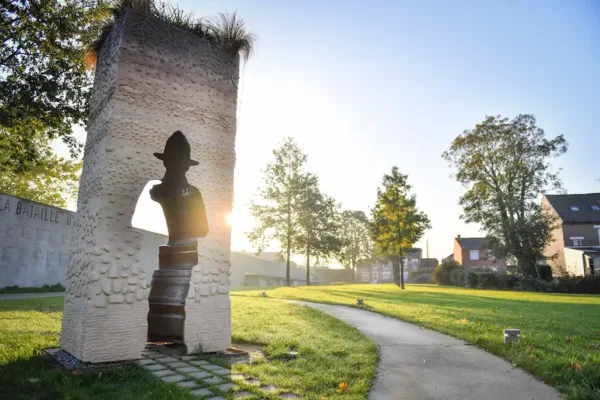
Today, Wellington Quarry preserves the memory of the men who prepared for battle beneath the town, including those who never returned.
 © Yannick Cadart-CD62
What else to see near Wellington Quarry
A visit to Wellington Quarry is also an excellent opportunity to discover Arras and the surrounding First World War heritage sites. Whether you’re planning a day trip or a longer stay in the Pas-de-Calais, there is plenty to explore nearby.
Discover the historic centre of Arras
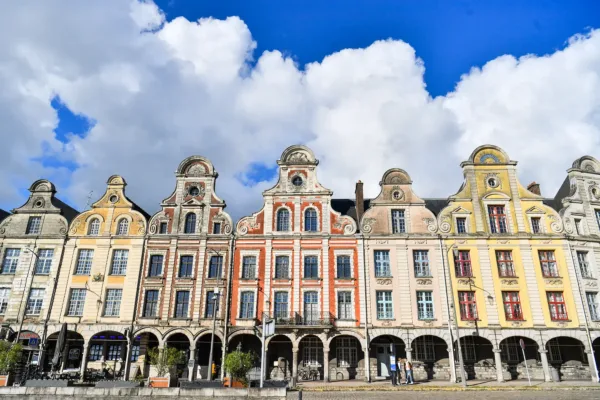
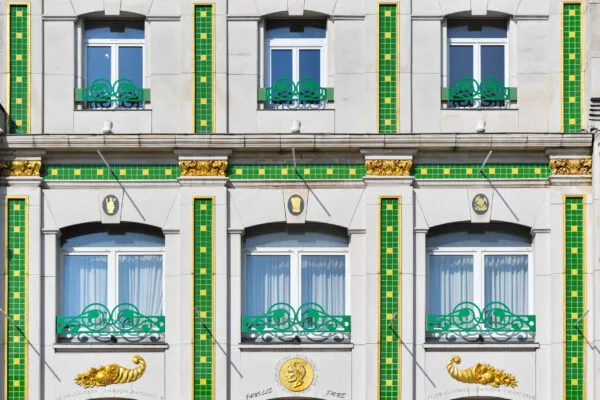
After returning to the surface, head towards the centre of Arras to discover its magnificent Flemish-Baroque squares, lined with elegant façades, cafés and restaurants.
The Grand’Place and Place des Héros are among the town’s highlights, while the UNESCO-listed belfry offers another perspective on the history of Arras.
It’s a striking contrast with the underground galleries: just minutes after exploring the wartime tunnels, you can be enjoying the lively atmosphere of one of northern France’s most attractive historic towns.