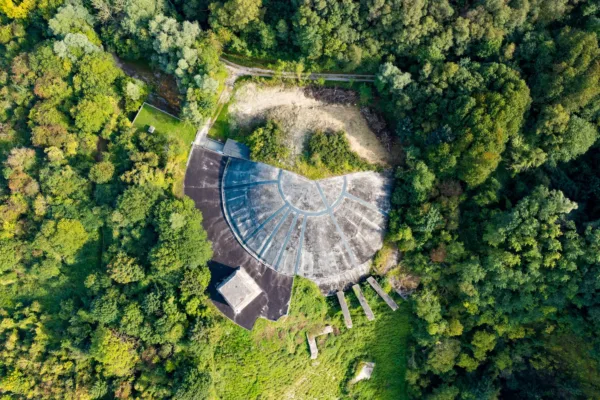
Memorial 14-18 in Souchez: discover the First World War History Centre
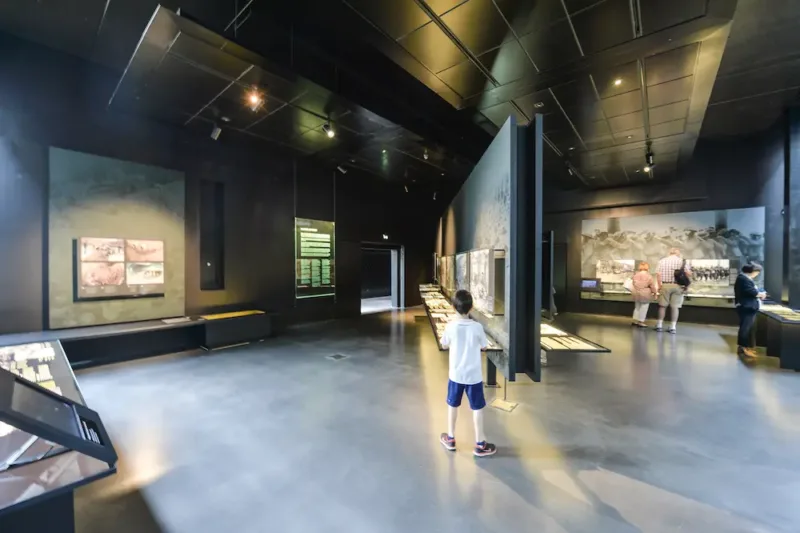
At the foot of Notre-Dame-de-Lorette hill, surrounded by the former battlefields of Artois, the Memorial 14-18 History Centre in Souchez offers a fascinating introduction to the First World War in northern France.
Through hundreds of photographs, original objects, archive films and animated maps, the exhibition brings the experiences of soldiers and civilians to life. It tells the story of a region transformed by four years of fighting, from the trenches of the Western Front to the destruction and reconstruction of towns and villages.
With free admission and an English-language audio guide available, it’s an excellent starting point for exploring the First World War heritage of the Pas-de-Calais.
-
Inside the Memorial 14-18 History Centre: what will you discover?
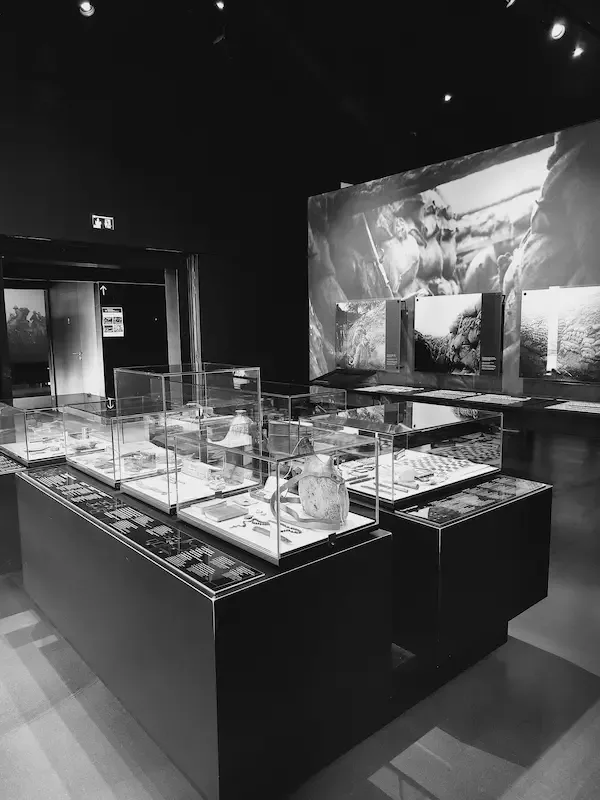
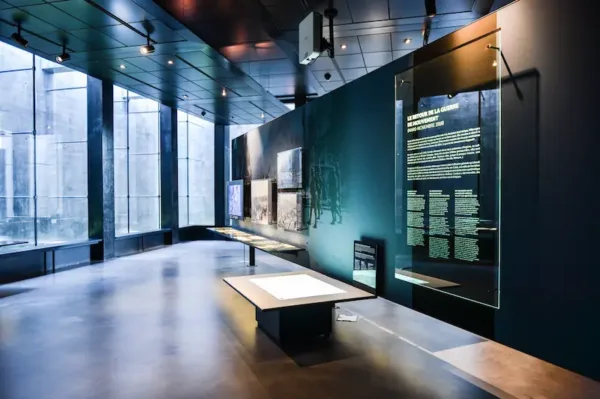
Unlike a traditional military museum focused primarily on weapons and uniforms, the History Centre tells the story of the Great War largely through images. Its permanent exhibition brings together more than 300 large-format photographs, archive films, historical objects and animated maps.
Some photographs were taken by official military photographers, while others capture more personal moments recorded by soldiers themselves. Together, they offer a powerful insight into everyday life during the conflict.
 © Marion Harmel Pas de Calais Tourisme
-
From the first battles to life in the trenches
The exhibition follows the course of the First World War, from the initial war of movement in 1914 to the long years of trench warfare and the final offensives of 1918.
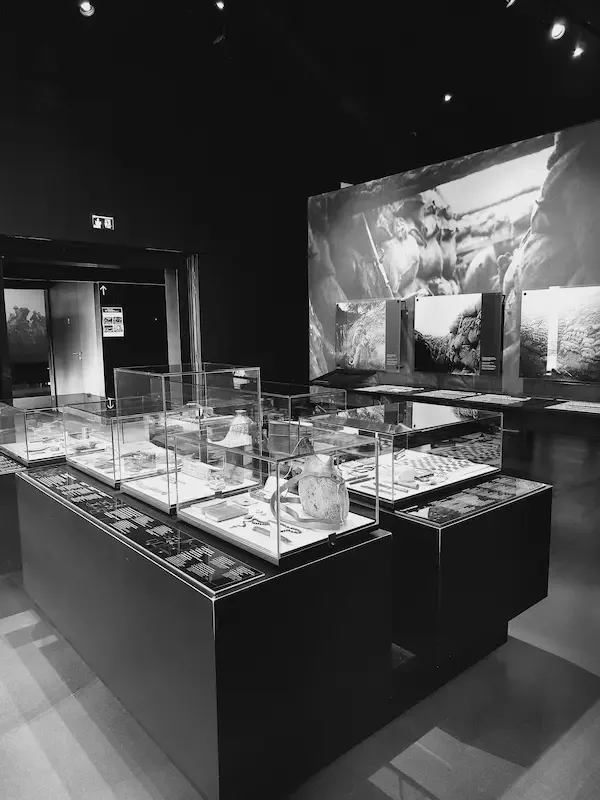
Animated maps help visitors understand how the front lines changed, while photographs reveal the conditions experienced by soldiers on both sides.
Rather than presenting the war solely through major battles and military decisions, the exhibition also explores the human experience: life in the trenches, the wounded, the dead and the enormous difficulties faced by civilians.
 © Marion Harmel Pas de Calais Tourisme
-
The First World War through different perspectives
One of the History Centre’s strengths is its international approach. Developed with the involvement of historians from several European countries, the exhibition presents the conflict through French, British, German and other perspectives.
This makes the museum particularly interesting for British visitors who may already know about the Somme, Ypres or Vimy Ridge but are less familiar with the fighting in Artois and French Flanders.
The exhibition also explores the German occupation of northern France, the destruction of towns and villages and the challenges of rebuilding the region after the Armistice.
-
Understanding the battlefields of Artois
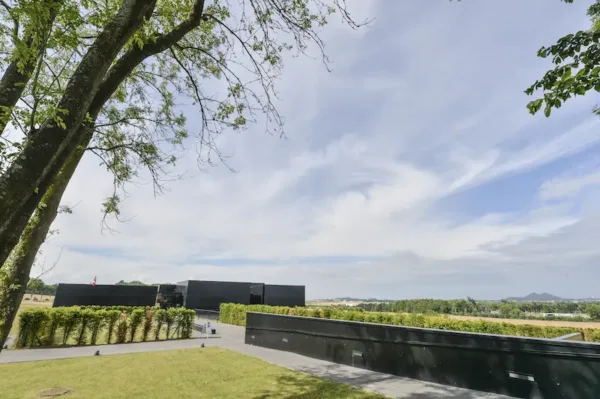
The History Centre focuses on the Western Front across northern France, particularly the battlefields of Artois and French Flanders.
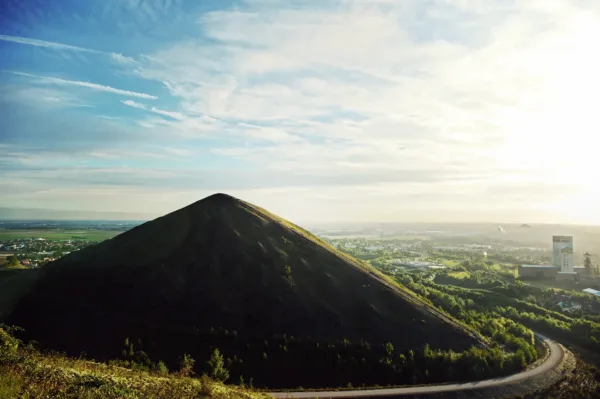
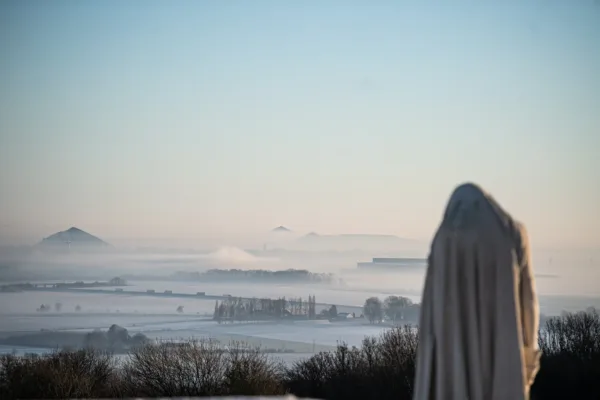
Today, much of this landscape is peaceful countryside, with villages, fields and wooded hills. During the First World War, however, these same places were devastated by artillery fire, trenches and repeated offensives.
Historical photographs and maps help visitors connect the modern landscape with the events that took place here more than a century ago.
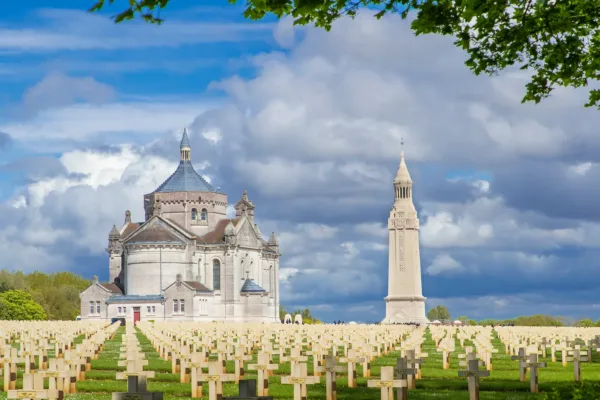
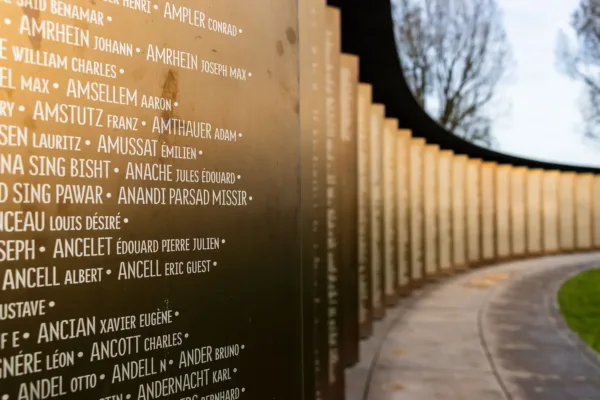
It’s a useful introduction before visiting the military cemeteries, memorials and former battlefields scattered throughout the surrounding countryside.
 © Yannick Cadart CD 62
-
An unusual building inspired by the history of the battlefields
Even before entering the exhibition, the architecture of the Memorial 14-18 makes an impression.
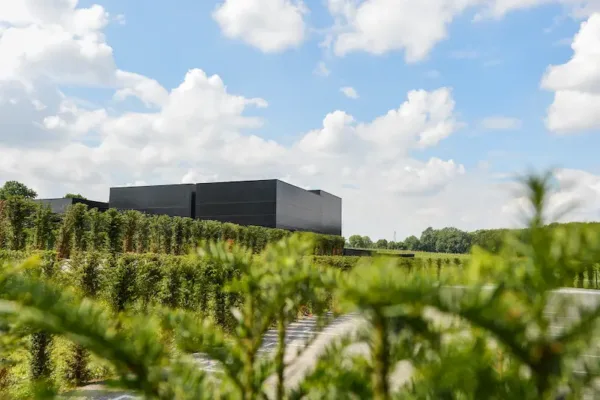
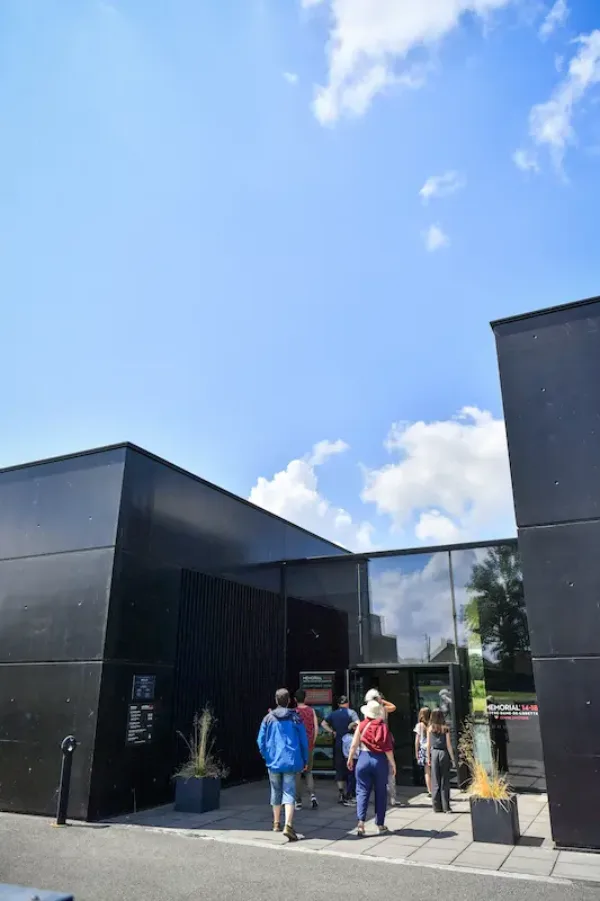
Designed by French architect Pierre-Louis Faloci, the History Centre is built from dark concrete and glass. Its series of geometric blocks recalls the military structures and blockhouses that once marked the landscape of the Western Front.
The contrast between the dark exterior and the light entering the exhibition spaces reflects the site’s guiding idea: “Out of darkness cometh light.”
Opened in 2015, the building stands at the foot of Notre-Dame-de-Lorette hill, close to some of the most important First World War remembrance sites in France.
Its understated architecture provides a setting for discovering the history of the conflict without distracting from the photographs, documents and personal stories presented inside.
 © Yannick Cadart CD 62
-
Visiting Memorial 14-18 with children or exploring your family history
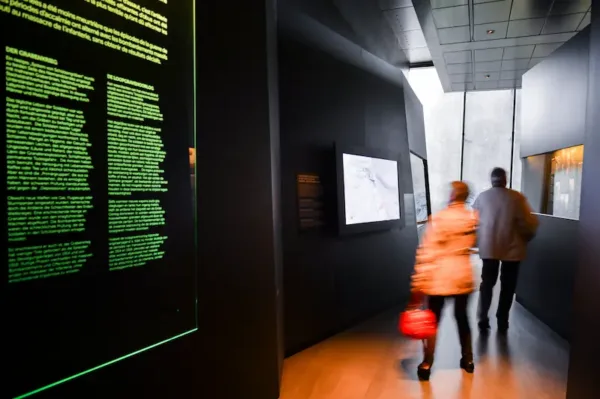
The History Centre is not just for military history enthusiasts. Its visual approach makes it accessible to a wide audience, including families and visitors discovering the First World War for the first time.
A family-friendly introduction to the Great War
Photographs, maps and short films offer different ways to explore the exhibition, making it possible to adapt the visit to the interests and ages of your children.
A children’s activity booklet is available for younger visitors, helping them engage with the displays and understand aspects of the conflict.
Families can also check the programme of temporary exhibitions, workshops and educational activities organised throughout the year.
 © Yannick Cadart-CD 62
-
Researching a relative who served in the First World War
For visitors with British or Commonwealth ancestors who fought in France, the History Centre can also be a starting point for exploring family history.
The memorial offers genealogical research assistance, helping visitors investigate the experiences of relatives who served during the conflict.
If you are planning a family history visit, bring any information you already have, such as the soldier’s full name, regiment, service number or approximate dates of service.
These details may help you identify relevant military records and connect your family’s story with the wider history of the Western Front.
 © Yannick Cadart CD 62
Plan your visit to Memorial 14-18 in Souchez
-
The History Centre is located in Souchez, at the foot of Notre-Dame-de-Lorette hill, approximately 15 minutes by car from Lens. It is easily combined with other First World War sites in the surrounding area.
Address : 102 Rue Pasteur, 62153 Souchez, France
-
Phone : +33 (0)3 21 74 83 15
Email :contact@memorial1418.com -
Opening hours and admission
Admission to the permanent exhibition is free. Special events and guided activities may have separate charges.
Period Opening hours 1 April to 11 November, Wednesday to Friday 10 am–1 pm and 2 pm–6 pm 1 April to 11 November, Saturday and Sunday 11 am–1 pm and 2 pm–6 pm 12 November to 31 March, Wednesday to Sunday 1 pm–5 pm The History Centre is normally closed on Mondays and Tuesdays, throughout January and on certain public holidays. Always check the official website before travelling, particularly around commemorative dates.
-
Audio guides and guided visits
Visitors can explore the permanent exhibition independently or take part in a guided tour.
Audio guides are available in English, French, German and Dutch for a small additional charge.
Guided tours of the permanent collection are generally offered on Sunday afternoons, with separate arrangements for groups. Check availability and booking requirements in advance.