Cycling the Vélomaritime
in Pas-de-Calais: France’s Great Coastal Ride
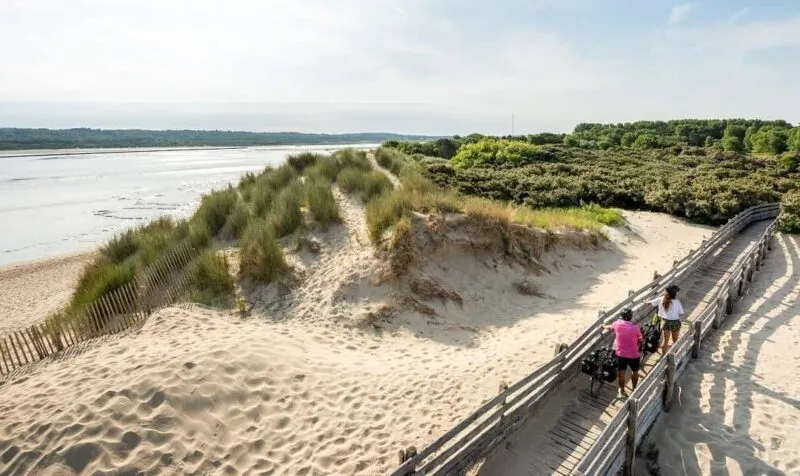
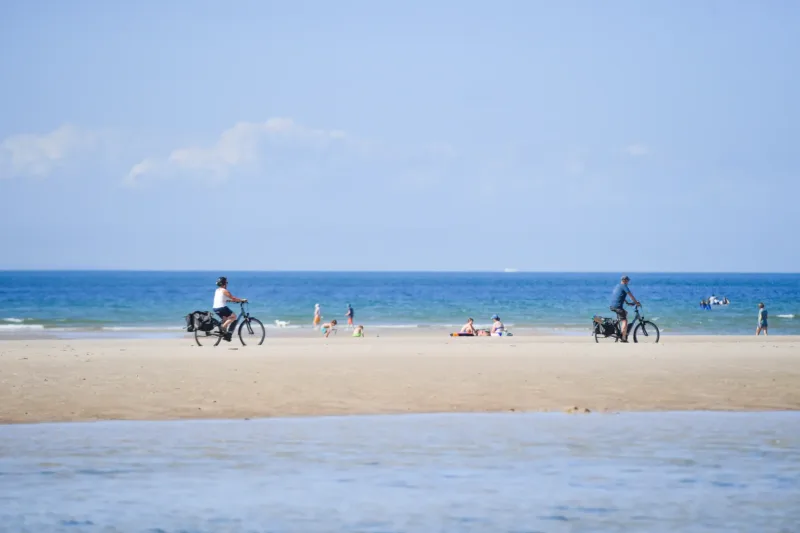
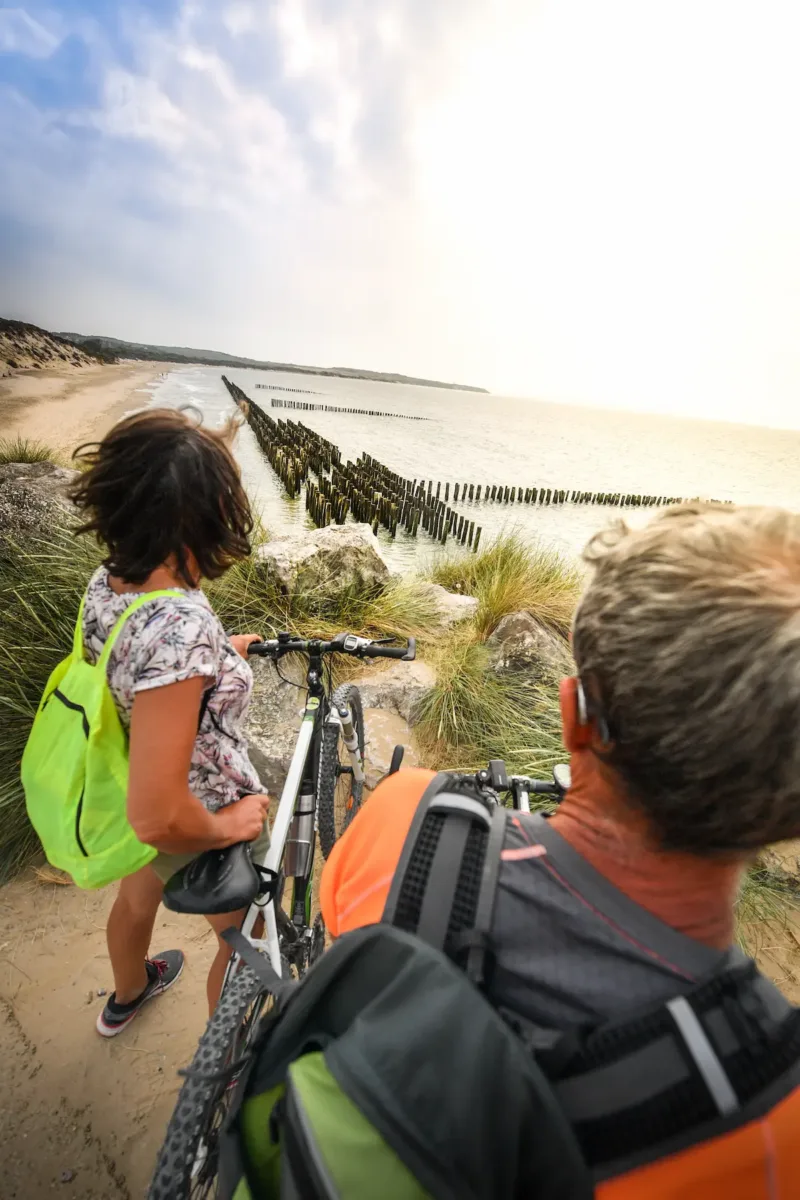
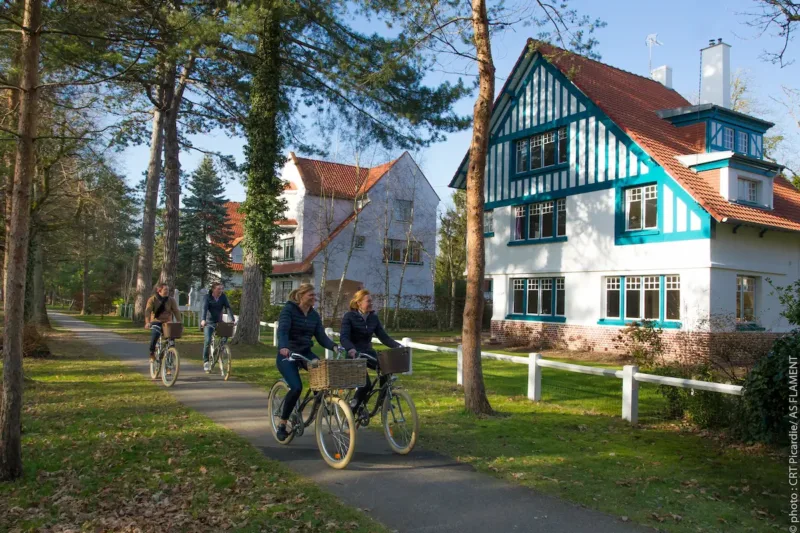
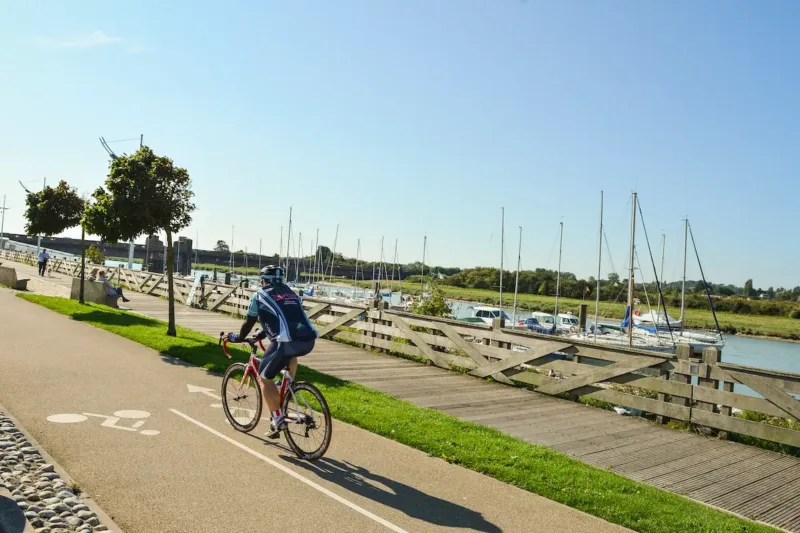
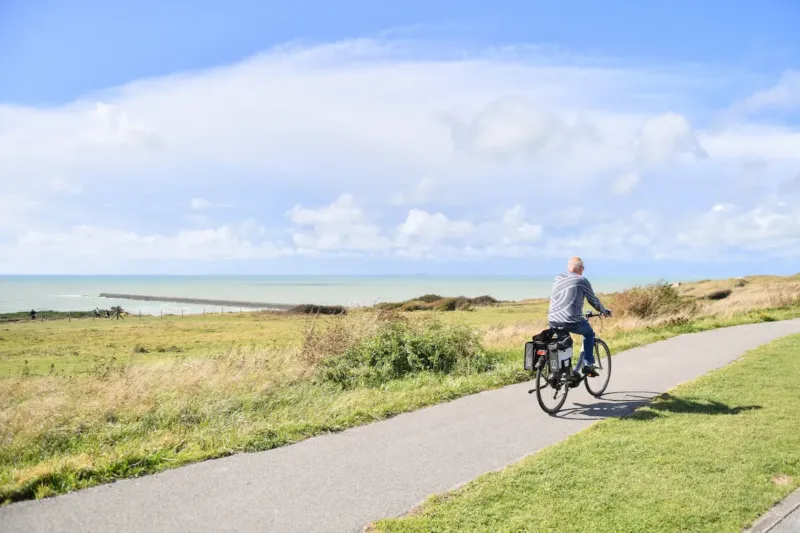
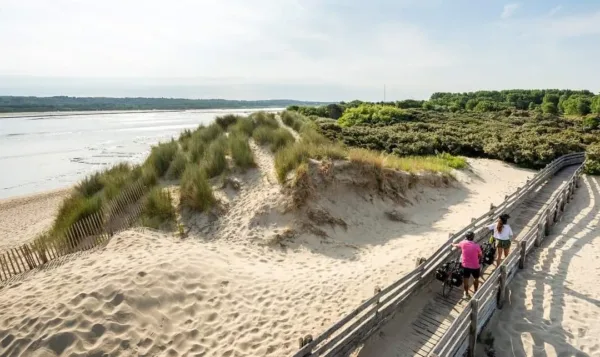
Fancy exploring the Opal Coast by bike? La Vélomaritime takes you from sandy beaches and seaside towns to the cliffs of Les Deux Caps. You can ride a single stage from Calais or turn the journey into a longer cycling holiday.
For visitors travelling from the UK, Calais makes a convenient starting point. Bring your bike across the Channel, then choose a coastal stage that suits your time and experience. Check your crossing operator’s arrangements for cyclists before booking.
What is the Vélomaritime?
La Vélomaritime is the French coastal section of EuroVelo 4. It follows the Channel and North Sea coast for around 1,500 km from Roscoff in Brittany towards the Belgian border, passing through Normandy and Hauts-de-France. The route includes signed stages through Pas-de-Calais, with a mixture of cycle paths and shared roads. Some stretches follow temporary alignments, so download the latest official itinerary before setting off.
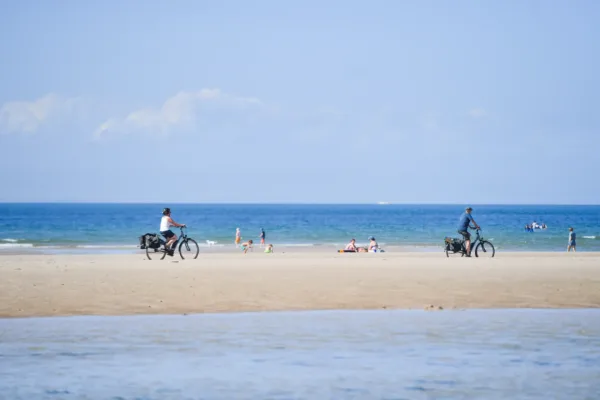
Cycling the Opal Coast: which stage should you choose?
The official stages take you from Berck and Le Touquet to Boulogne-sur-Mer, through Les Deux Caps to Calais, then onwards towards Gravelines. You can choose one stage or link several together. The scenery changes along the way, from long beaches and resort towns to headlands, fishing villages and coastal wetlands.
- Berck to Le Touquet: An approachable seaside stage with sandy beaches and resort towns.
- Le Touquet to Boulogne-sur-Mer: Coastal scenery, the Canche estuary and a lively harbour city.
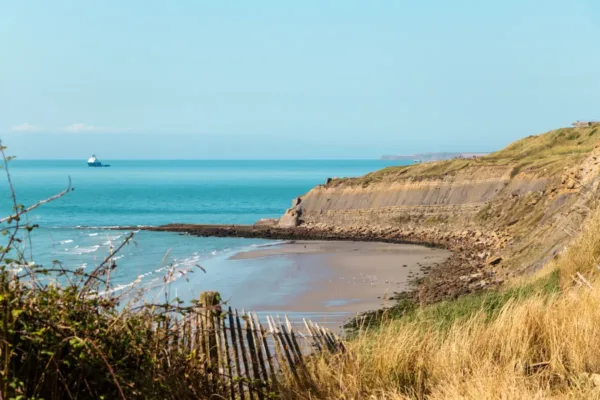
- Boulogne-sur-Mer to Calais: The most dramatic stage, passing through the Grand Site de France des Deux-Caps. Expect hills as well as sea views.
- Calais to Gravelines: A flatter ride that brings the dunes and wetlands of the northern coast into view.
As a guide, the official itinerary lists Boulogne-sur-Mer to Calais at around 51 km and Calais to Gravelines at around 27 km. Distances and surfaces should be checked on the official route planner when you plan your trip.
Practical information :
-
Download the complete itinerary from: La Vélomaritime website
What to see along the way
-
Le Platier d’Oye Nature Reserve
Between Calais and Gravelines, the Vélomaritime passes close to Le Platier d’Oye, one of the most important wetland bird habitats in northern France.
Over 300 species of birds have been recorded here, making it a popular detour for birdwatchers.
Entry is free.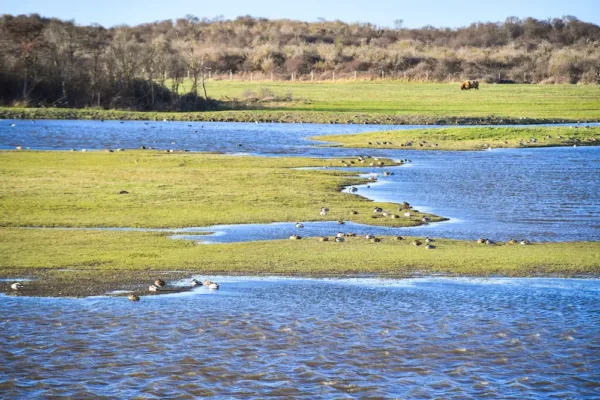 © Yannick Cadart CD 62
-
Calais
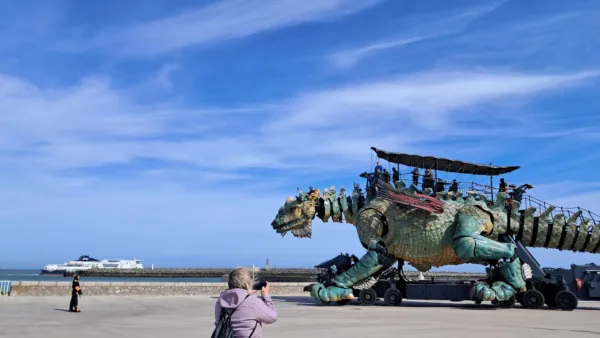
Calais is worth more than a quick stop at the port. See Rodin’s Burghers of Calais beside the town hall, then visit the Cité de la Dentelle et de la Mode to discover the city’s lace-making history. Leave time to find the signed route through town before heading onwards.
The Vélomaritime passes through Calais on dedicated cycle paths.
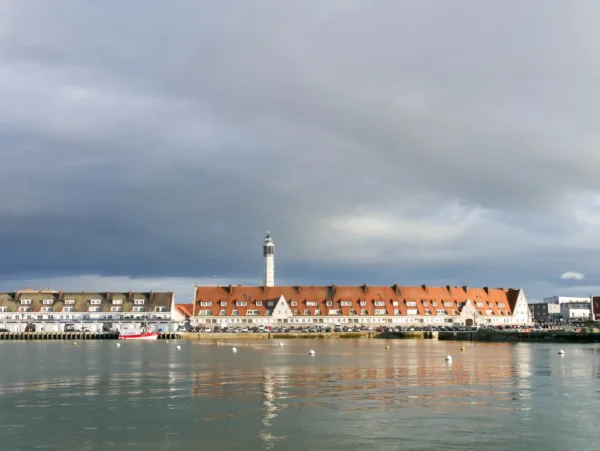 © A. Chaput Pas de Calais Tourisme
-
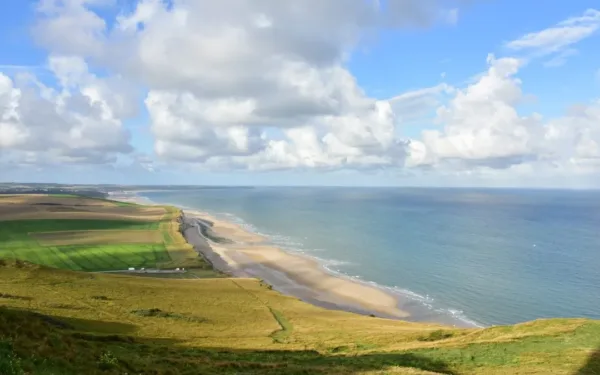
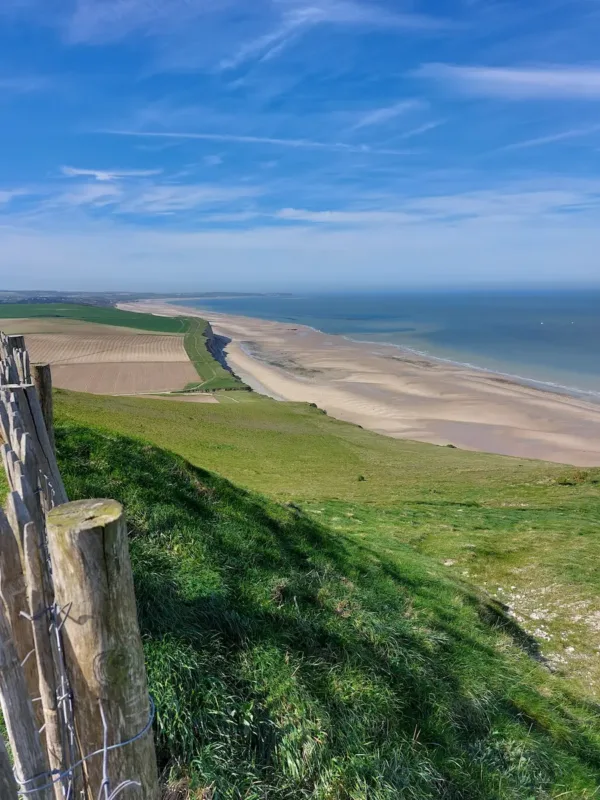
Cap Blanc-Nez and Cap Gris-Nez
These two iconic headlands are the centrepiece of the Pas-de-Calais coast.
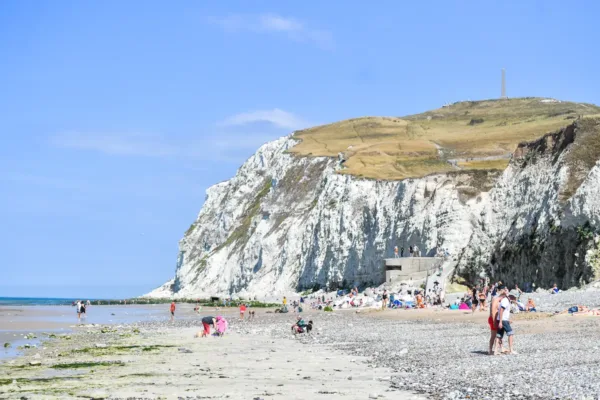
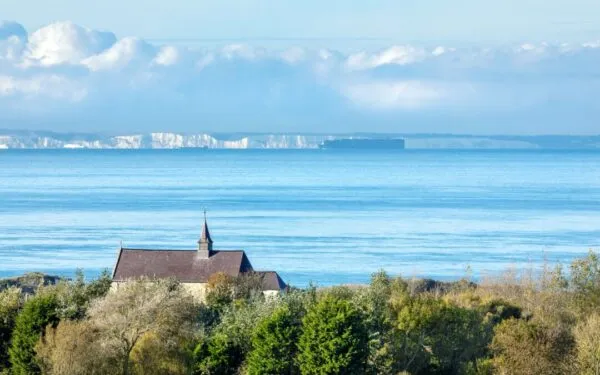
Cap Blanc-Nez rises 134 metres above the sea and offers sweeping views over the Strait of Dover — on a clear day, you can see the White Cliffs of Dover from here.
Cap Gris-Nez, a few kilometres south, is the nearest point in France to England.Between Les Deux Caps lies the Bay of Wissant, a beautiful arc of sand popular with kite surfers and walkers.
The whole area is a Grand Site de France, meaning it’s protected and carefully managed for visitors.Stop at the Maison du Site des Deux Caps in Audinghen for maps, walking trails and information about the local wildlife.
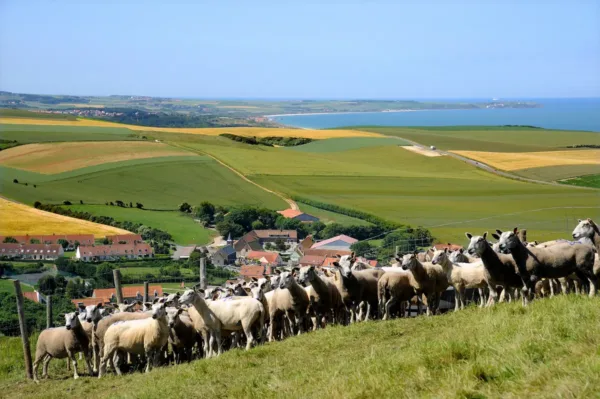 © Yannick Cadart CD 62
-
Boulogne-sur-Mer
Boulogne is the largest fishing port in France and one of the most rewarding towns on the coast.
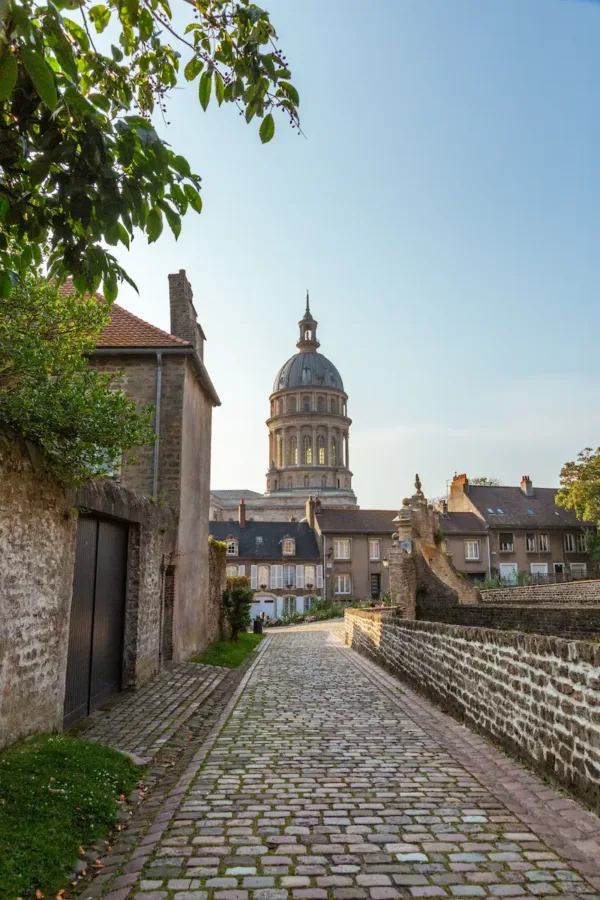
The medieval walled upper town (Haute Ville) is a pleasure to explore on foot, with cobbled streets, a cathedral and rampart walks.
Down by the harbour, the daily fish market is a highlight for food lovers.
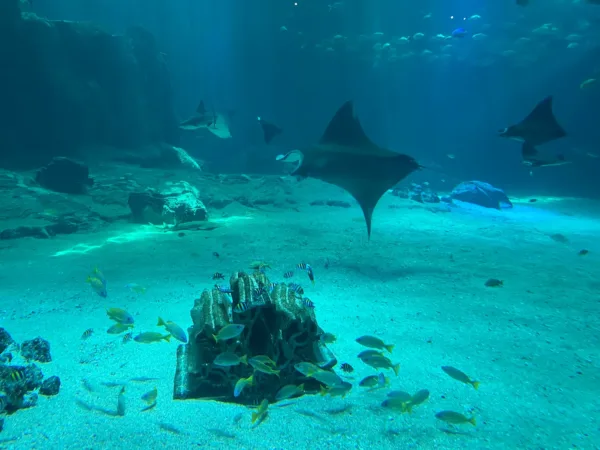
Don’t miss a visit to Nausicaá, largest aquarium in Europe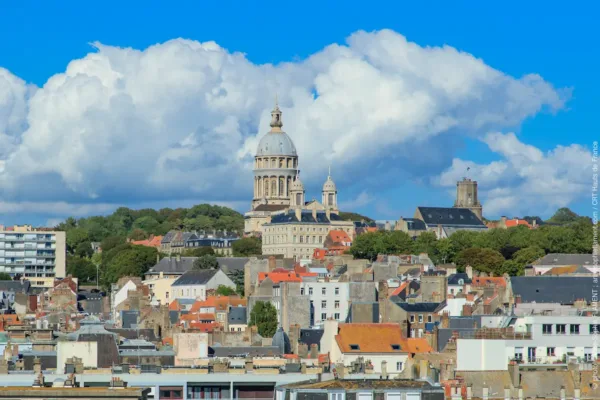 © Anne Sophie Flament
-
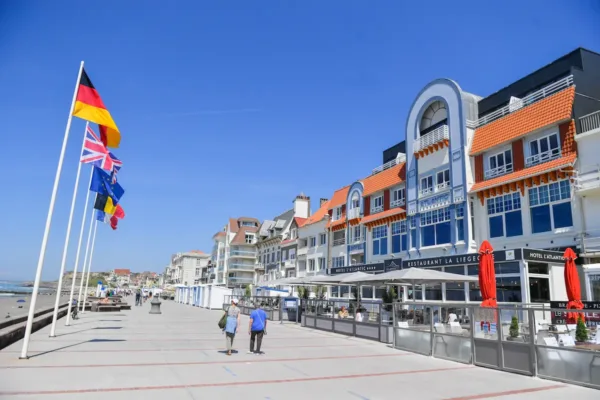
Le Touquet-Paris-Plage
Le Touquet has long been popular with British visitors.
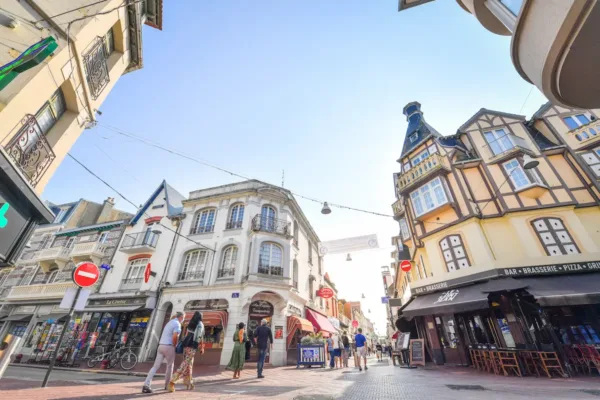
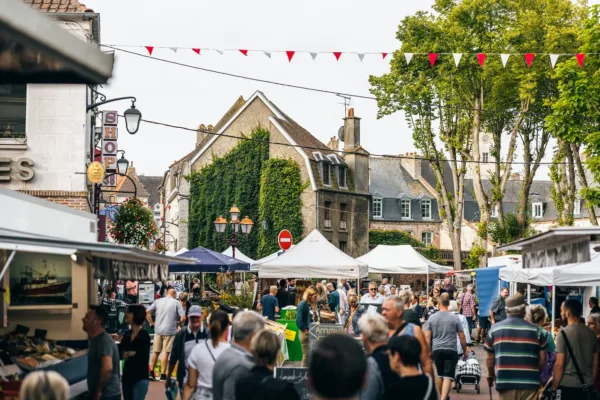
It has a wide sandy beach, a pine forest perfect for cycling, elegant Art Deco architecture, and a lively market.It is also widely known for its two golf courses.
The town sits at the mouth of the River Canche and has excellent cafés and restaurants.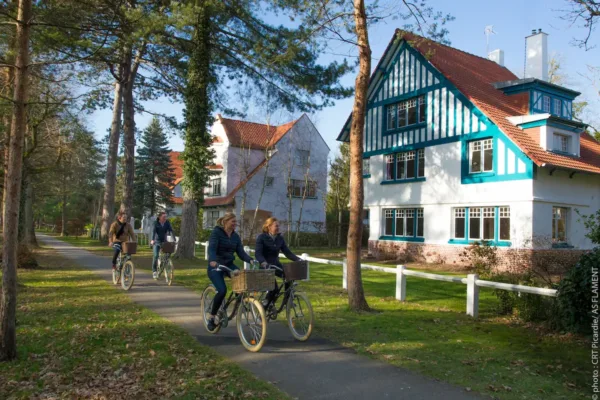 © Anne Sophie Flament
Planning your cycling trip
-
How much time do you need?
One day is enough for a chosen stage, while a long weekend gives you time to connect several towns and stop along the way. The Boulogne to Calais stage is hillier than the ride east of Calais, so plan around your fitness and the places you want to visit. A one-way trip also means arranging your return journey in advance.
Bringing a bike from the UK
DFDS accepts cyclists on its Dover to Calais crossings, subject to its booking arrangements. LeShuttle also offers a dedicated cycle transfer service between Folkestone and the Calais area. Check where each service drops you off, how to book your bicycle and how to join the route safely.
Hiring an electric bike
An electric bike can make the climbs around Les Deux Caps more comfortable. Hire options vary by town and season. Confirm availability, collection and return points, battery range and the possibility of a one-way hire before booking.
Finding cycle-friendly accommodation
Look for the Accueil Vélo label when choosing somewhere to stay. Labelled businesses offer services for cyclists and are located close to a cycle route. Check the individual listing for bike storage, charging, repairs or luggage services.
Frequently asked questions
-
What is the Vélomaritime?
It is a signed French coastal cycling route that forms part of EuroVelo 4. It runs for around 1,500 km from Brittany towards the Belgian border.
-
Can I start cycling from Calais?
Yes. Calais is on the official itinerary, with stages towards Boulogne-sur-Mer and Gravelines. Plan your route from your arrival point to the signed cycle route before travelling.
-
Can I travel from the UK with my bike?
Yes, but check the current cyclist booking rules with your chosen crossing operator. DFDS offers bicycle travel on Dover to Calais services, and LeShuttle has a separate cycle transfer service.
-
Is the route suitable for beginners and families?
It depends on the stage. The coast around Les Deux Caps has substantial climbs, and the wider itinerary includes shared roads. Review the official map, distance and traffic conditions before choosing a family ride.
-
Is the route signposted?
The itinerary is signposted, but some sections use temporary routes. Download the latest map or GPX file from the official La Vélomaritime website before departure.
-
Where can I stop along the Opal Coast?
Le Touquet, Boulogne-sur-Mer, Les Deux Caps, Wissant Bay and Calais are among the most rewarding stops. East of Calais, the Platier d’Oye nature reserve offers a quieter change of scene.