Discover the Caps et Marais d’Opale Nature Park
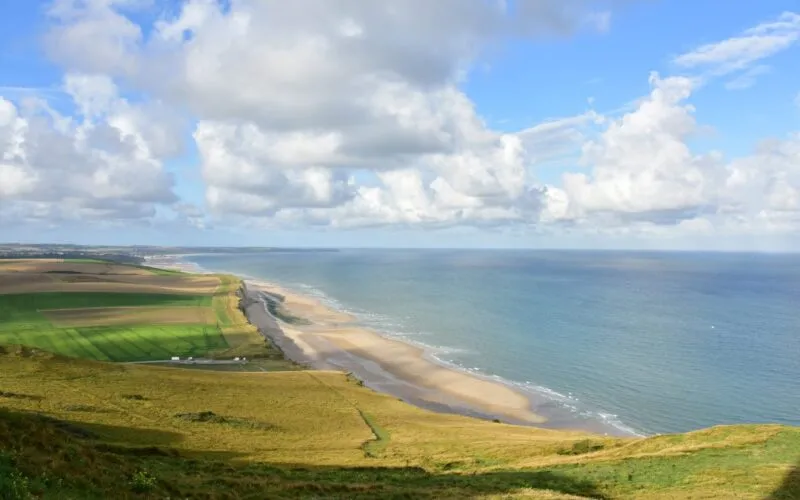
The Caps et Marais d’Opale is a Regional Nature Park in Pas-de-Calais, covering around 160,000 hectares from the white cliffs of the Opal Coast to the wooded valleys of the Boulonnais and the wetlands of the Audomarois marshes near Saint-Omer. Unlike a national park, it is a living, farmed landscape, home to boat trips through working marshland, market gardeners still growing vegetables by hand, and centuries-old traditions of craft and agriculture.
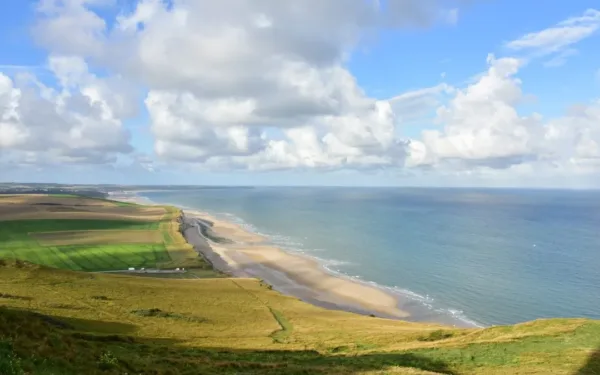
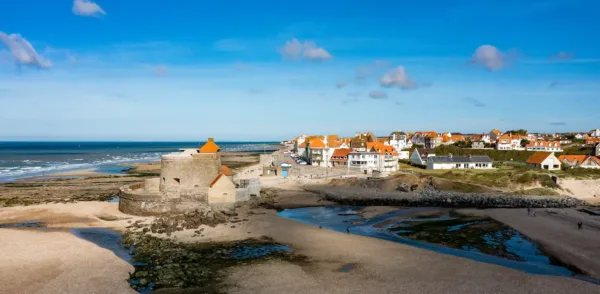
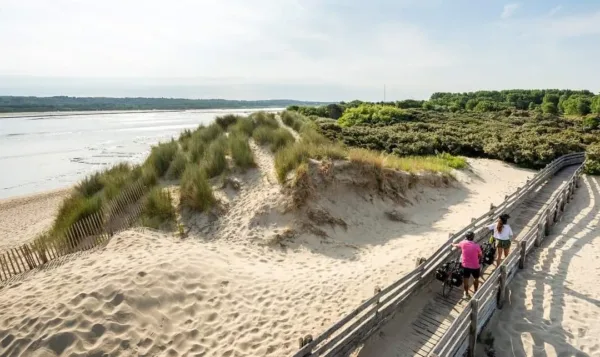
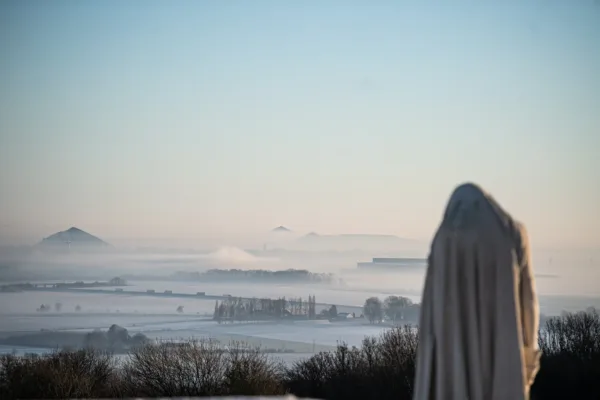
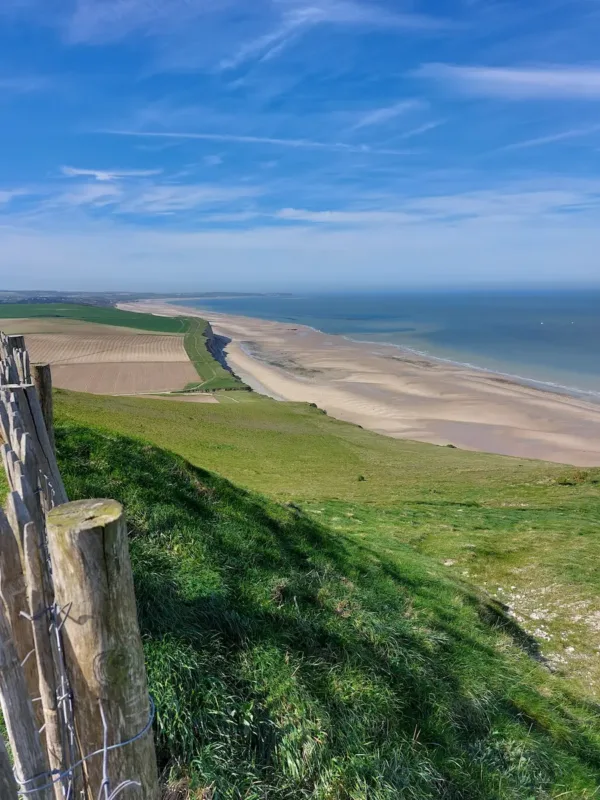
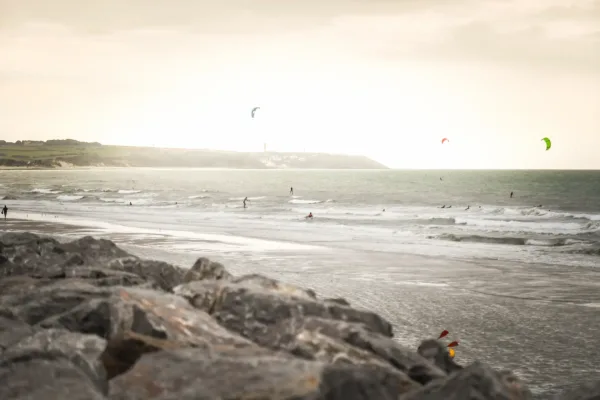
The strange mists of the marshes of Guines and Audomarois, the bucolic landscapes of the Aa and Hem valleys, the gracefully undulating hills and Bocage hedgerows of the Boulonnais, the stunning images of the coast… Visitors can enjoy a sumptuous journey through the natural and cultural heritage and the landscapes of the Les Caps et Marais d’Opale Regional Nature Park.
What Is a Regional Nature Park?
Unlike a National Park, Regional Nature Parks are inhabited. Its vocation is to protect and to showcase natural, cultural and human heritage and convert them into tangible factors in the sustainable development of the local area.
How to Visit the Park
-
- Location: the park stretches from the Opal Coast to Saint-Omer, taking in the Boulonnais hinterland, the Aa and Hem valleys and the Audomarois marshes
- Distance from Calais: the Boulonnais sector is roughly 30 to 45 minutes by car; the Audomarois marshes around Saint-Omer are around 45 minutes to an hour
-
Phone : +33 (0)3 21 87 90 90
-
- Boat trips: several operators run guided and independent boat trips through the Audomarois marshes, from historic tours to sunrise and gourmet cruises
- Self-guided visits: local volunteer guides, known as Greeters, offer independent visits into the marshes for those who prefer to explore without a group tour
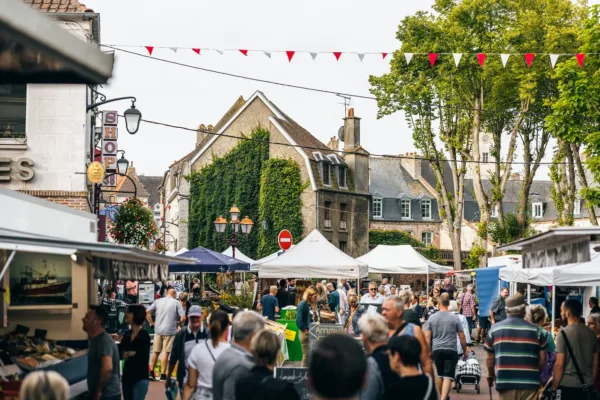
- Markets: fresh marsh produce is sold at the Saturday morning market on Place Foch in Saint-Omer
-
The Audomarois Marshes: France’s Last Cultivated Wetland
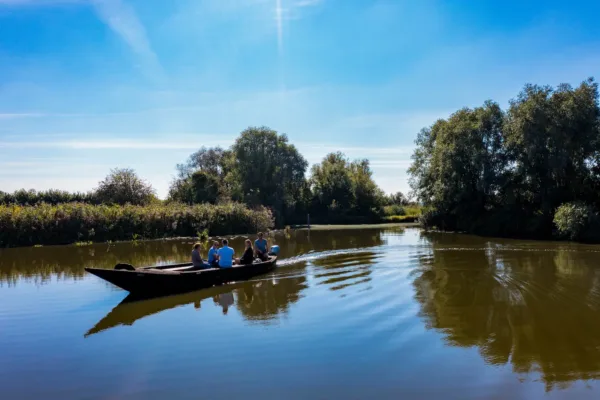
The name Audomarois comes from Audomar, saint founder of the town of Saint-Omer in the 7th century. The early morning mist gives a mysterious ambiance to the Audomarois marshes. You fully expect to see Marie Grouette, the sorceress of the marsh! The lapping of the waters reminds you that these landscapes are the fruit of centuries of work to separate the land from the sea. The market gardeners busy themselves taking a harvest of cauliflowers to the auction market that takes place later that morning. Cauliflowers and endives are the star products of the marsh, but all sorts of vegetables are actually grown here: leeks, watercress, carrots, and more, all of which you can buy locally at the market on Saturday morning at Place Foch in Saint-Omer or directly from the producers.
 © Les coflocs
-
Boat Trips Through the Marshes
Would you like to enjoy a special moment in the heart of the marshes? The Audomarois marshes are best explored by traditional flat-bottomed boat, the way local market gardeners have travelled them for centuries. Several operators run guided and independent trips from Clairmarais, Moulle and Salperwick, from classic historical tours to gourmet cruises, sunrise outings and family-friendly canoe hire, and the last traditional boat makers in Saint-Omer still build these vessels by hand.
For the full story on the traditional Bacôve and Escute boats, the operators who run trips, and how to plan a visit, see our dedicated guide to boat trips on the Audomarois marshes.
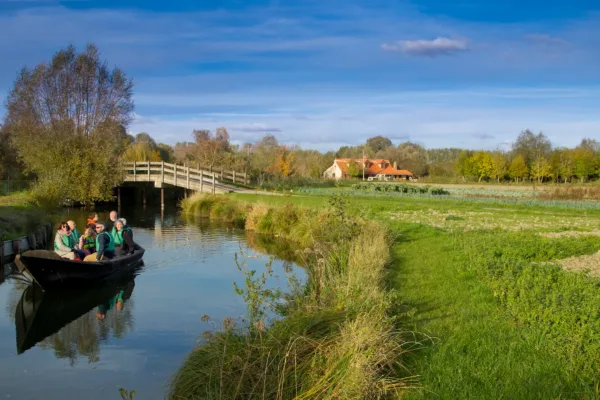 © Anne Sophie Flament
-
Meet the Marsh Market Gardener
The main industry of the marshlands is still market gardening, with 500 hectares of land being cultivated. The marsh owes its success to its inhabitants: they have raised, cleaned, drained, cleared and finally farmed this land.
These marshlands have always been reputed for their fertility. They are given over to the cultivation of vegetables and stretch from the communal marsh right up to the Clairmarais marsh, passing through the suburbs of Saint-Omer. A few small islands in the neighbouring communes are also involved in this trade: Salperwick, Tilques and Serques.
Several local producers, working in Tilques, Serques and Moulle, grow carrots here under the ‘Marque Parc’ brand, committing to respecting nature and to the development of the local economy and people.
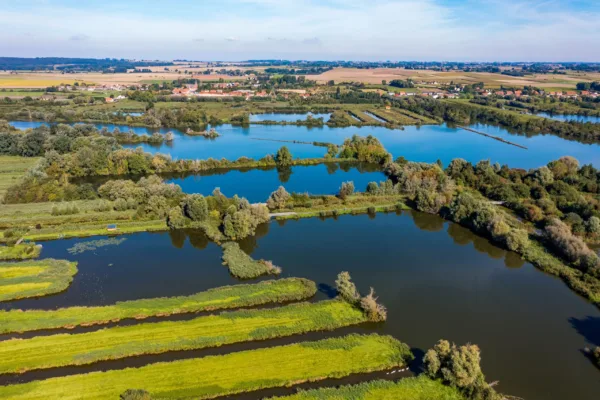 © Les Coflocs
-
The Aa Valley
The wild waters of the River Aa and its tributaries such as the Bléquin have carved a labyrinth of deep valleys into the chalk. The steep hillsides, studded with juniper bushes, have enjoyed a new life with the return of extensive grazing by Boulonnais sheep and other breeds. Their well-tended grass is home to sumptuous wild flowers that attract many insects.
Pleasant trails allow you to discover the Bocage hedgerows, astonishing views over the chalky grasslands as well as a wide variety of other landscapes, harsh, lush, steep and rolling, often with some very challenging climbs.
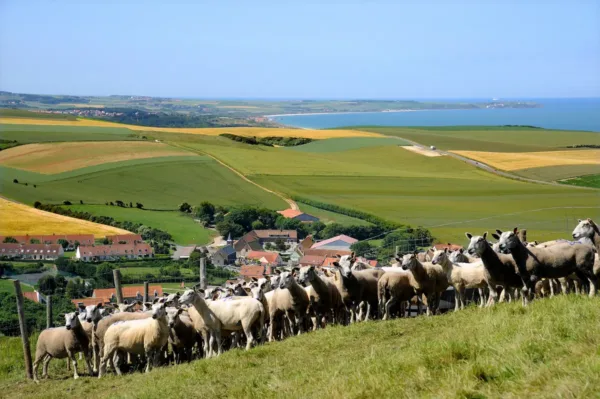 © Yannick Cadart CD 62
-
The Hem Valley
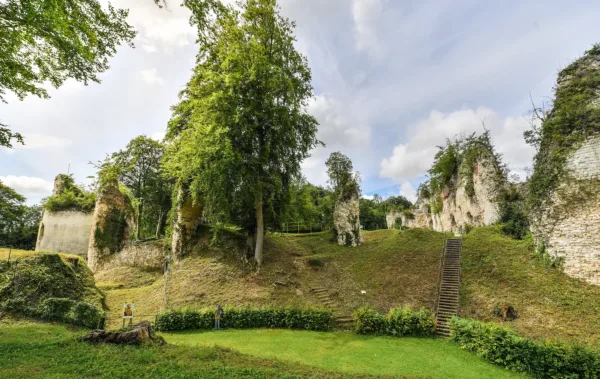
The ancient mills standing across from the Flanders Plain are evidence of the tradition of cereal crop farming here. Following the footsteps of the Dukes of Burgundy, you cross the unchanging rural landscapes of the Hem Valley that are overlooked by the ruins of Saint-Louis Chapel.
Only the Hem Corridor interrupts the panoramic cirque of the Pays de Licques, where the horizon is filled with scenery dominated by forests and woodland. Walkers will love these well-preserved rural landscapes.
Every year, Licques pays tribute to the turkey. The very best farmers are rewarded; the confraternities come together and parade with great fanfare behind their prize birds right up to the village square.
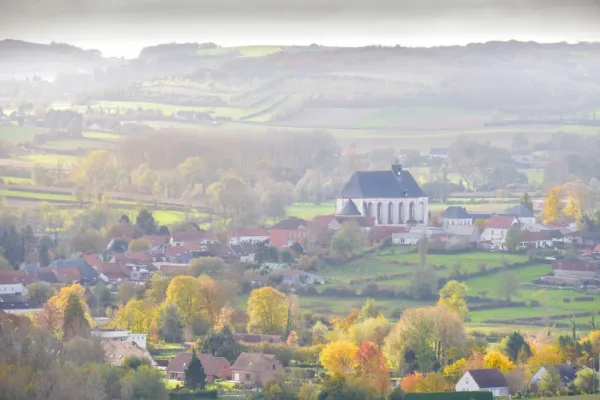 © Fabien Cosy
-
The Channel Geopark: A Shared Landscape with Kent
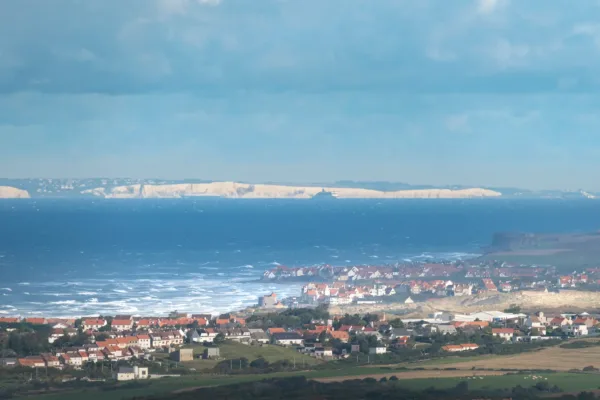
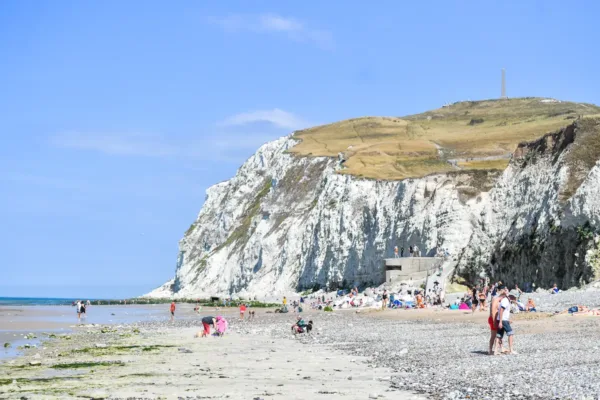
The Caps et Marais d’Opale Nature Park shares more than a view of England with Kent. Together with the Kent Downs National Landscape, it forms the Geopark Transmanche, a cross-Channel project currently seeking UNESCO Global Geopark status. The two areas share 400 million years of geological history, most visibly in the white chalk cliffs that face each other across the Strait of Dover, and the joint project covers 46 geosites across more than 6,000 square kilometres on both sides of the water.
For visitors, this shared geology is easy to see for yourself: on a clear day, the chalk cliffs of Kent are visible from Cap Blanc-Nez, just as the French coast can be seen from the Kent Downs. Guided walks, exhibitions and educational trails on both sides of the Channel are gradually opening up this joint geological story to visitors, walkers and curious travellers alike.
 © Fabien Cosy
Frequently Asked Questions
-
What is the Caps et Marais d’Opale Nature Park?
It’s a Regional Nature Park in Pas-de-Calais covering around 160,000 hectares, created in 2000 from the merger of the former Boulonnais and Audomarois parks. Unlike a national park, it protects a living, farmed landscape that stretches from the Opal Coast to the Audomarois marshes near Saint-Omer.
-
Where is the park in relation to Calais?
The park begins close to Calais along the Opal Coast and extends inland. The Boulonnais countryside is roughly 30 to 45 minutes by car from Calais, while the Audomarois marshes around Saint-Omer are around 45 minutes to an hour away.
-
What is the Audomarois marsh famous for?
It’s the last cultivated marsh in France, still farmed by market gardeners who grow cauliflowers, endives, leeks, watercress and carrots on plots reached by water. Its produce is sold at the Saturday market in Saint-Omer and directly from producers.
-
Can you take a boat trip through the marshes?
Yes. Several local operators run guided and independent boat trips through the Audomarois marshes, from classic historical tours to sunrise, storytelling, music and gourmet cruises. See our full guide to boat trips on the Audomarois marshes for operator details, traditional Bacôve boats and how to plan a visit.
-
What is the Geopark Transmanche project?
It’s a cross-Channel project between the Caps et Marais d’Opale Nature Park and the Kent Downs National Landscape in England, currently seeking UNESCO Global Geopark status. It highlights 400 million years of shared geological history, visible in the chalk cliffs on both sides of the Strait of Dover.
-
Is it free to visit the park?
p>Walking the park’s trails is free. Boat trips through the Audomarois marshes and visits to sites such as the Maison du Marais are paid activities, so check current rates directly with each operator.
-
What’s the best time of year to visit?
Spring and summer are ideal for the market gardens and wildflowers of the Aa Valley, while the Audomarois marshes have their own misty, atmospheric charm year-round. Boat trip operators typically run from April to September.