Platier d’Oye Nature Reserve: Birdwatching Near Calais
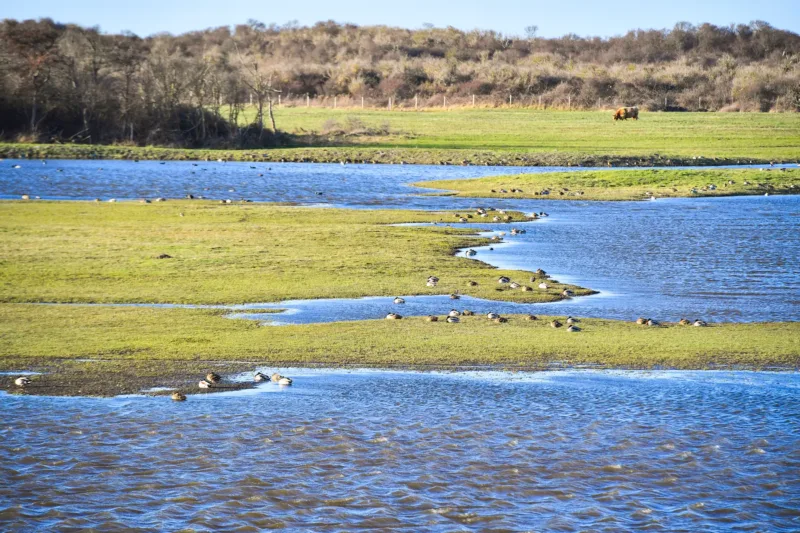
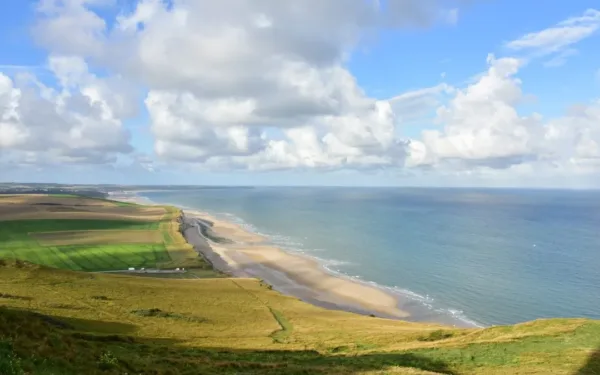
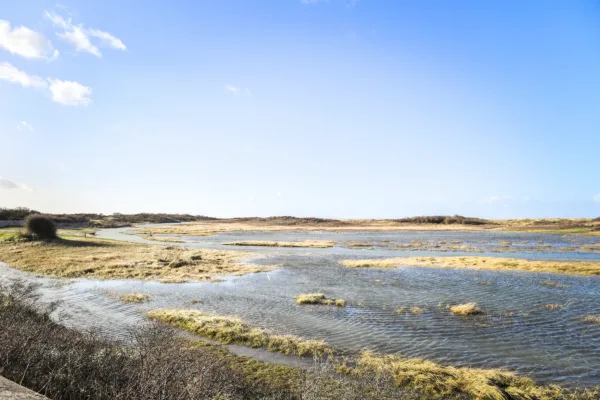
Platier d’Oye National Nature Reserve is a 390-hectare stretch of dune, salt marsh and lagoon on the Opal Coast, just 15km east of Calais near the village of Oye-Plage. It is the first feeding ground migratory birds reach on the Channel and North Sea coast, which is why more than 230 bird species have been recorded here, alongside grazing Highland cattle and a resident colony of harbour seals. The reserve is free to enter and open all year round
What makes Platier d’Oye special for birdwatching
Platier d’Oye is regarded as one of the ornithological jewels of Pas-de-Calais, because it is the very first place migratory birds can feed and rest after crossing the North Sea or the Channel. Bring binoculars: a telescope is even better for the birds sitting furthest out on the water.
Practical information :
-
Address : Route des Dunes, 62215 Oye-Plage
The reserve sits between Calais and Dunkirk, right behind the dunes at Oye-Plage. From the Calais ferry terminal it is around 20 minutes by car, and about 35 minutes from the Eurotunnel terminal at Coquelles. Start at La Maison du Platier d’Oye, the reserve’s visitor centre (formerly known as La Maison dans la Dune), where there is a car park, trail maps, tide times and updates on which birds have been spotted recently.
-
Phone : +33 (0)3 21 32 13 74
-
Hours of operation : Open every day, all year round
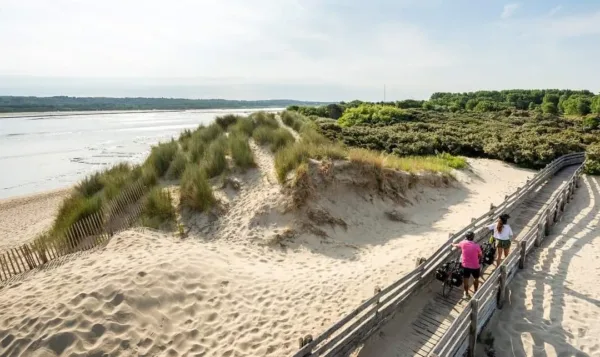
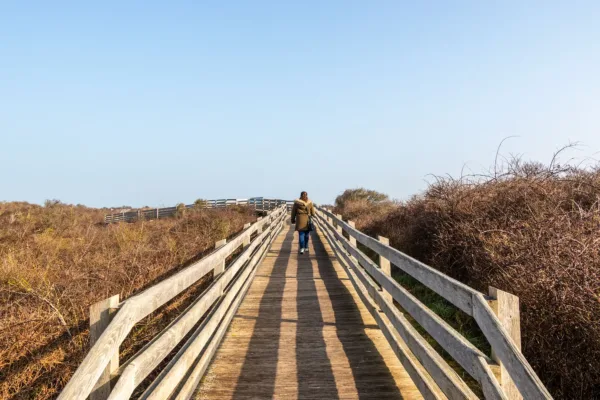
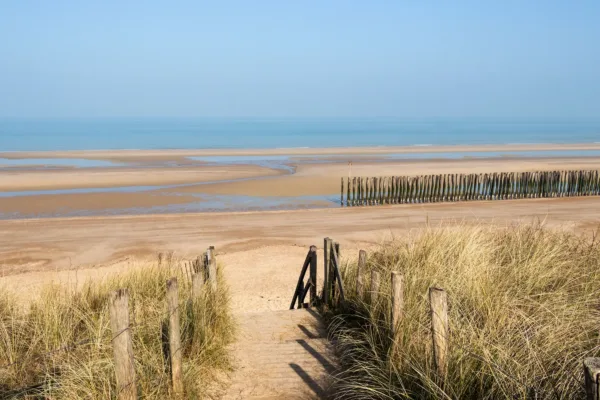
A wooden staircase along the coastal path leads down from the reserve to Les Escardines beach, which is supervised in July and August. To the west, Abri Côtier beach is about a 10-minute walk from its own car park.
-
Into the migratory birds’ feeding zone
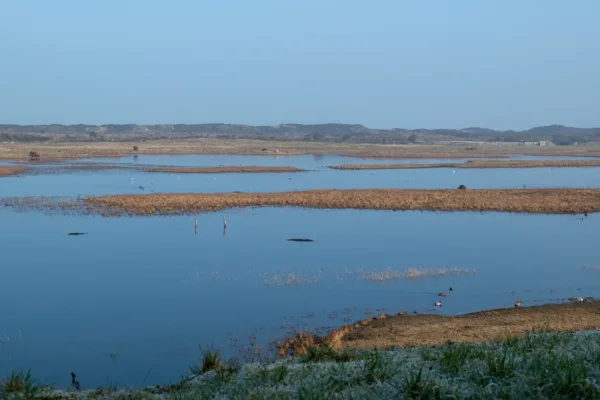
When entering the favourite feeding zone of migratory birds settling in for winter on the Channel/North Sea coast, we keep a low profile. Leaving from the car park of the house in the dune (la maison dans la dune), we begin on the 1-hour walk across the Nature Reserve. Across the 1,150 acres of the Platier d’Oye National Nature Reserve, the large-headed seagulls recognisable by their black head seem to appreciate the oceanic climate. In the middle of the dunes, we can take the time to stop at the different observation posts to contemplate the numerous birds.
 © A. Chaput Pas de Calais Tourisme
-
Highland cattle, dabbling ducks and a playful seal
By the time we have adjusted the focus of our binoculars, we behold a pair of horns that belong to the famous Highland cow, with its muzzle pointing towards us and its beautiful red-brown coat with dense and long fleece looking charmingly prehistoric. Living in harmony with other species, there are all kinds of fascinating ducks to be observed such as teals, shovelers, or widgeons can be observed. But where do the cries we hear in the distance come from? If we take a moment, we will enjoy the show performed by a very playful harbour seal, having fun bubbling in the water. How pleasant it is to spend winter on the beaches of the Opal Coast. The snow bunting or the horned lark, both coming from Scandinavia, will not disagree.
 © Yannick Cadart-CD62
-
Self-maintained biodiversity!
The Highlands ponies, the Shetland sheep, and cattle grazing on this unspoilt area are helping to maintain a mosaic of natural habitats favourable to the bird species that are frequent visitors of the nature reserve.
 © S. Brissaud Pas-de-Calais Tourisme