Dunes de la Slack: A Mosaic of Natural Habitats Between Land and Sea
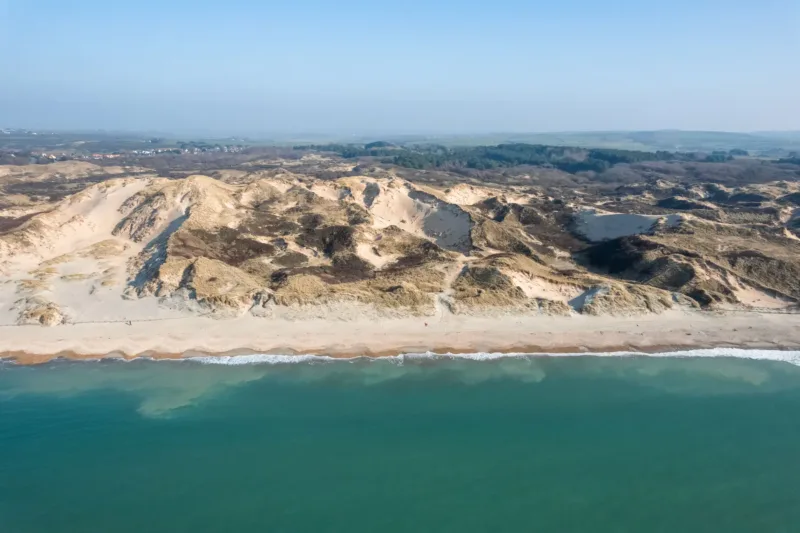
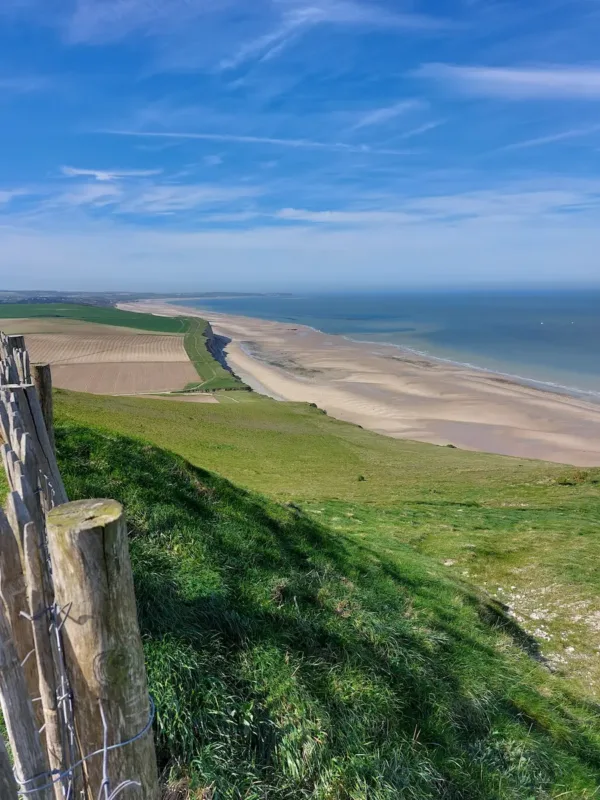
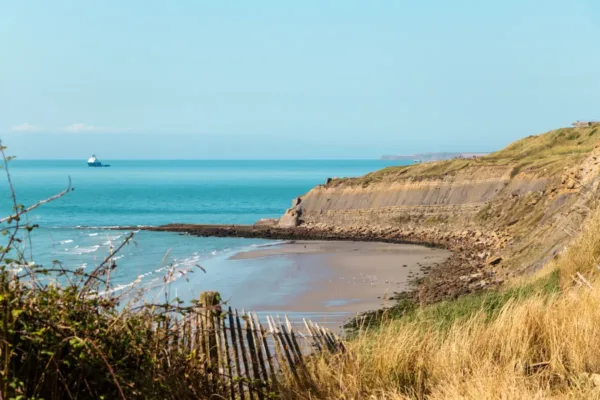
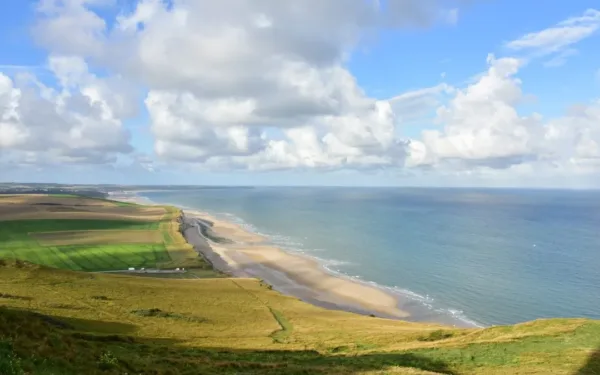
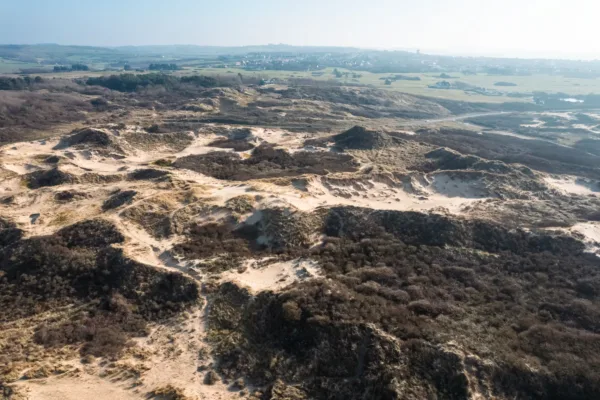
Covering more than two hundred hectares, the Dunes de la Slack form one of the most significant sand dune systems in Pas-de-Calais. A wild expanse set between land and sea, this is a real mosaic of natural habitats, all fragile and well-preserved. The flora and fauna are particularly rich here, featuring areas where amphibians in particular come to breed.
The Dunes de la Slack nature trail
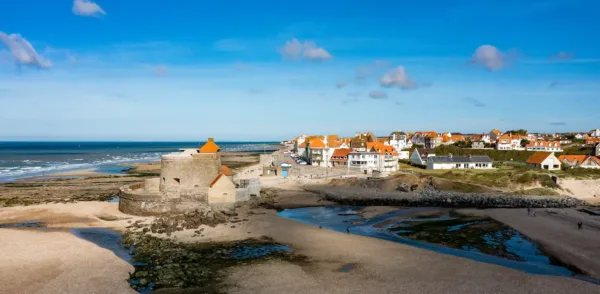
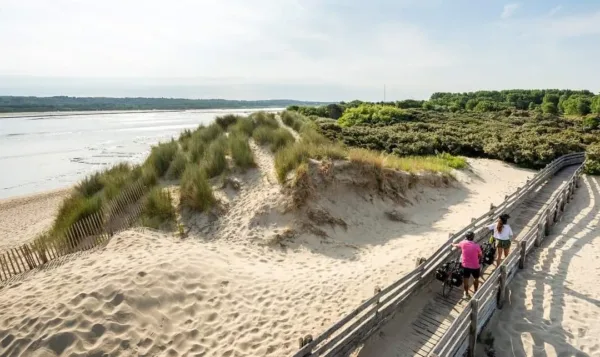
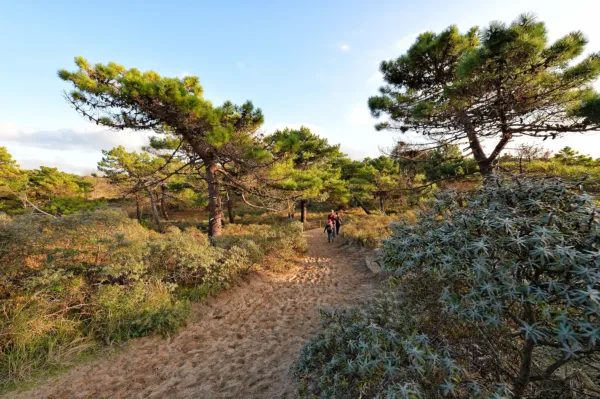
A circular nature trail of about 5km starts near the lock on the River Slack. It allows you to explore the dune system, before returning via the beach with views of the Vauban fort.
Practical information :
-
Adress : D940, 62930 Wimereux, France
The Dunes de la Slack lie between Wimereux and Ambleteuse, around 10 minutes from Boulogne-sur-Mer and 30 minutes from Calais, making it an easy stop when exploring the Grand Site des Deux-Caps further along the coast. The full loop takes around 1 to 1.5 hours at an easy walking pace, and part of the route along the beach cannot be completed at high tide, so it’s worth checking tide times before you set off.
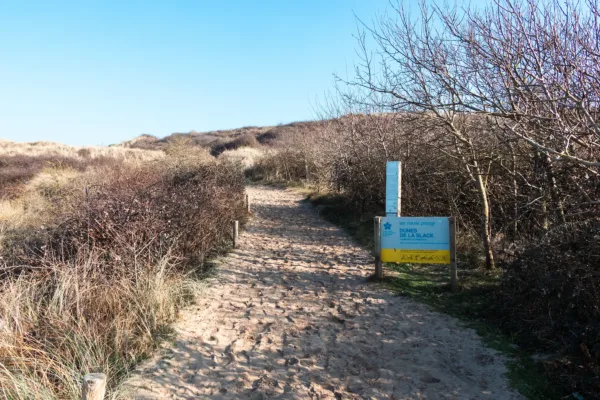
Parking is at the small car park by the lock, just before the sign for Ambleteuse (approaching from Wimereux), on the left hand side of the D940.
-
Hours of operation : Open all year
-
The Slack, a modest coastal river
The Slack is a small coastal river, which flows into the sea near the fort of Ambleteuse. Although quite modest nowadays, it was much more imposing in former times, when gravel was mined near the fort. At the time of the Camp de Boulogne, between 1803 and 1805, Napoleon even considered bringing his fleet here. The Slack was something else entirely back then!
 © S. Brissaud Pas de Calais Tourisme
-
A whole world of dunes
The Dunes de la Slack is a particularly valuable natural site, which is part of the Grand Site des Deux-Caps. Protected by the Conservatoire du Littoral, it is also a Natura 2000 listed area and is located at the northern limit of the Marine Nature Park.
The white dune is mainly vegetated with marram grass and sand grass, which plays its role as a “sand trap” to perfection.
The grey dune is anchored by turtle grass, a greyish moss which regains its beautiful bright green colour at the first drop of water. This grey dune is the ideal spot for breeding dragonflies.
In the dune scrub, sea buckthorn reigns supreme! The pretty orange berries are becoming increasingly popular with our chefs, who use them to make coulis, syrups and jams. Unless of course you prefer blackberries, courtesy of the common bramble which also thrives here.
The dune woodlands are full of surprises, including the European spindle tree. Transformed into charcoal, it produces a material that is popular with artists.
 © S. Brissaud Pas de Calais tourisme
-
Six protected species of amphibian
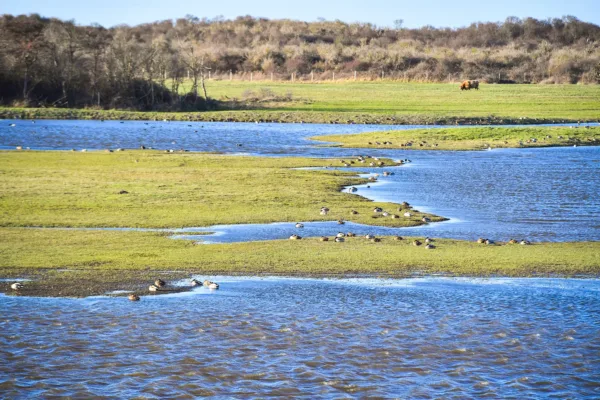
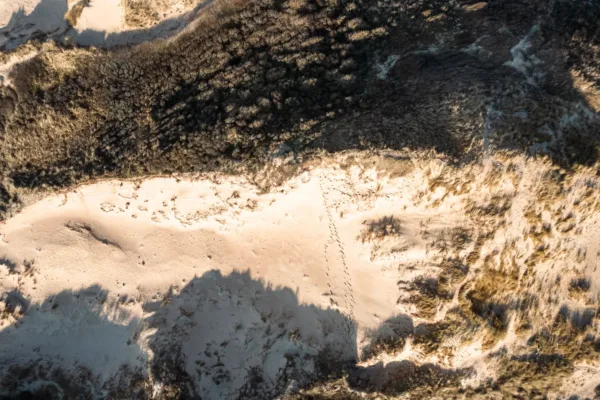
In addition to areas planted with Maritime Pines, the Dunes de la Slack also harbour freshwater marshes. Six species of protected amphibian can be found here, coming to hibernate and breed. These include the red frog, the tree frog and the newt. It is an exceptional site in which to spot amphibians, attracting specialists from all over Europe!
 © S. Brissaud Pas de Calais Tourisme
Highlighting the Soay sheep
The dune system has recently been occupied by Soay sheep, which maintain the landscape and limit mowing. Although this hardy breed is robust and can spend the winter outdoors, it is very sensitive to stress. So as not to frighten these sheep, it is essential to keep all dogs on a lead.