Pas-de-Calais during the Second World War
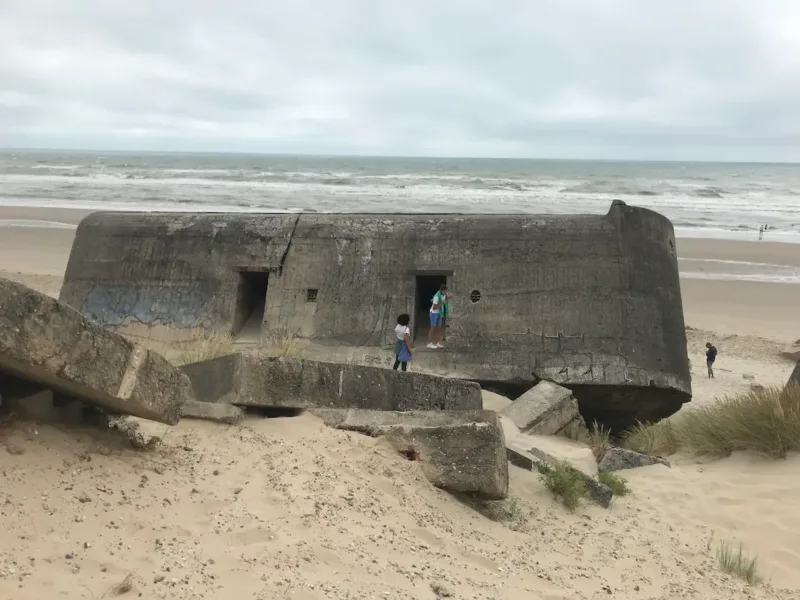
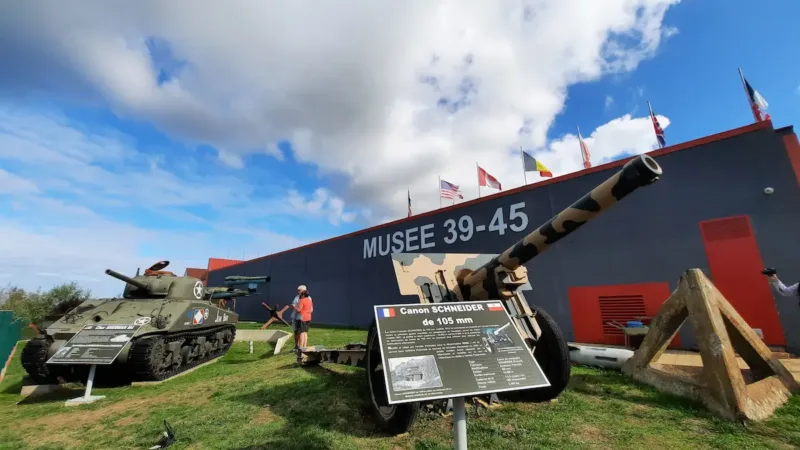
Its location on the English Channel, directly opposite Britain, gave Pas-de-Calais major strategic importance during the Second World War. Under German occupation, the region became a key location for coastal defences and the development of V-weapons aimed at Britain.
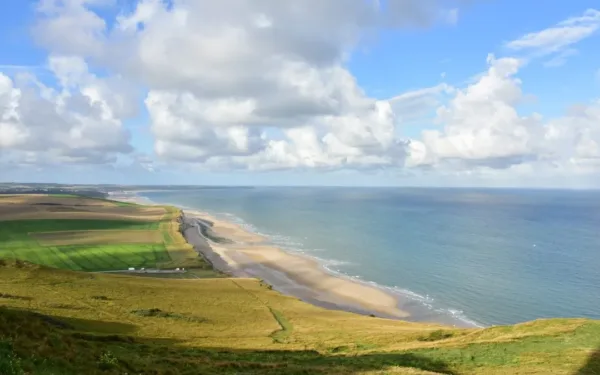
Today, the bunkers that still line parts of the Opal Coast are among the most visible reminders of the war. Across Pas-de-Calais, launch sites, museums and other wartime remains tell the story of the German occupation, forced labour, Resistance and military operations.
-
The German occupation and the Atlantic Wall
During the Second World War, Pas-de-Calais formed part of the Atlantic Wall, the vast network of coastal defences stretching from Norway to the Spanish border.
Along the Opal Coast, concrete bunkers, blockhouses and artillery positions were constructed under the supervision of Organisation Todt.Remains of these fortifications can still be seen along many beaches today.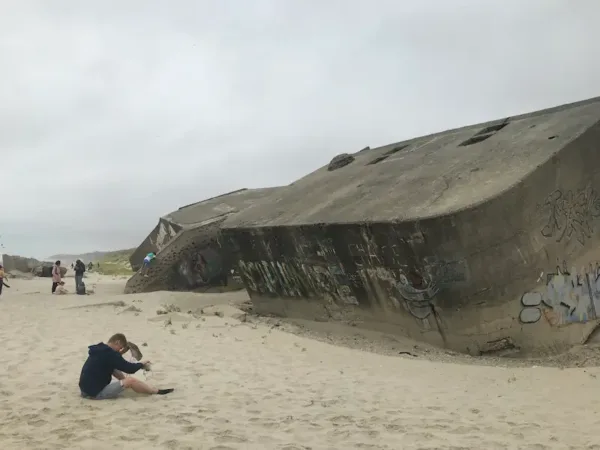 © Delphine Bartier
-
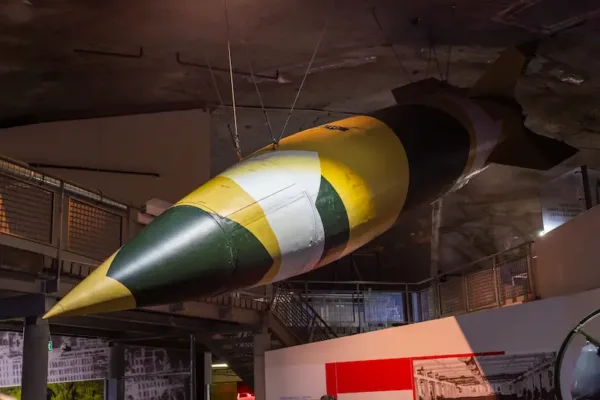
V1, V2 and V3 weapons in Pas-de-Calais
Its proximity to Britain made Pas-de-Calais an important location for Germany’s V-weapons programme. Several huge military installations were constructed across the region, some of which can still be visited today.
 © Sophie Brissaud Pas de Calais Tourisme
-
The Blockhaus at Éperlecques
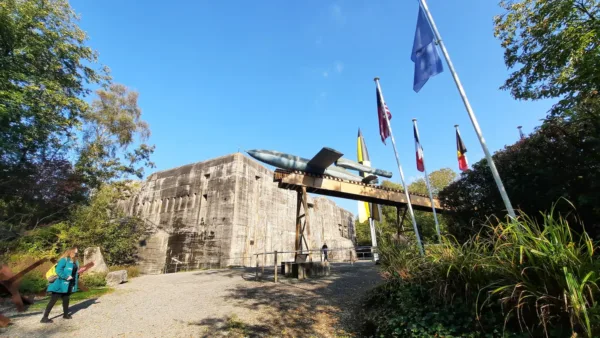
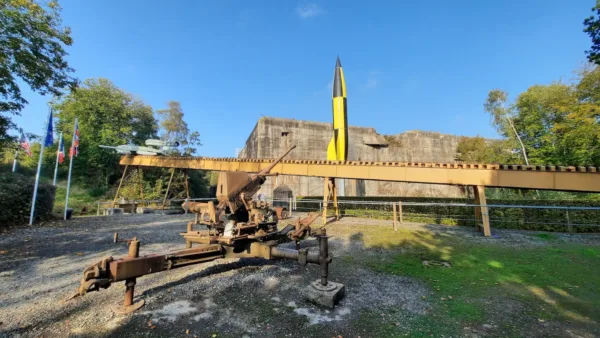
The enormous Blockhaus d’Éperlecques was constructed as part of the V2 rocket programme.
It was built from 1943 as a base for the assembly and launch of V2 rockets targeting Britain. On 27 August 1943, it was bombed for the first time by 185 American B-17 bombers. French fighter pilot René Mouchotte took part in the mission, escorting the bombers, but was shot down over the English Channel and did not return.
The site was bombed repeatedly over the following year, forcing major changes to the original plans. Although construction continued, no V2 rocket was ever launched from Éperlecques.
-
La Coupole near Saint-Omer
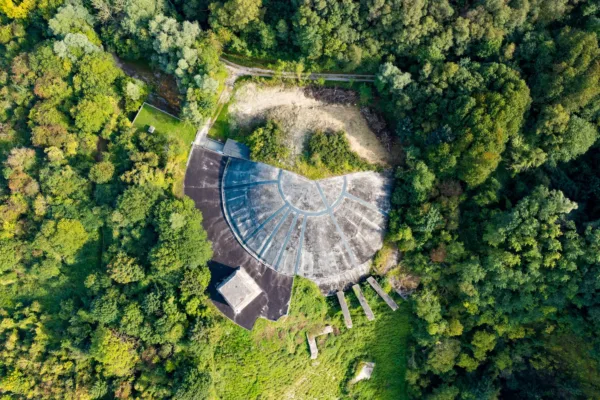
La Coupole, near Saint-Omer, was built as part of the V2 rocket programme.
Today, the museum explores the site’s wartime history as well as the development of rocket technology and its later role in space exploration. It also houses a 3D planetarium.
 © Les Coflocs
-
Mimoyecques Fortress and the V3
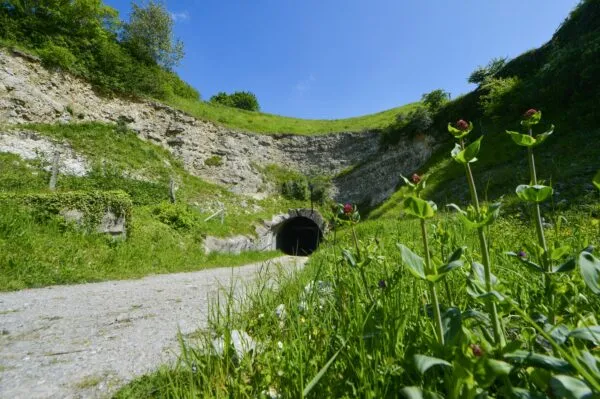
At Landrethun-le-Nord, the Fortress of Mimoyecques, also known as the “London Gun”, was designed to house the V3 supergun, intended to fire projectiles towards London.
The site was attacked by Allied forces before becoming operational. Today, its underground galleries can be visited for part of the year and also provide a winter habitat for several species of bats.
 © Yannick Cadart CD 62
-
Second World War museums and sites to visit
Pas-de-Calais has preserved many sites connected with the Second World War. From huge underground installations to coastal batteries and museums, they offer different perspectives on the occupation, military technology and everyday life during the conflict.
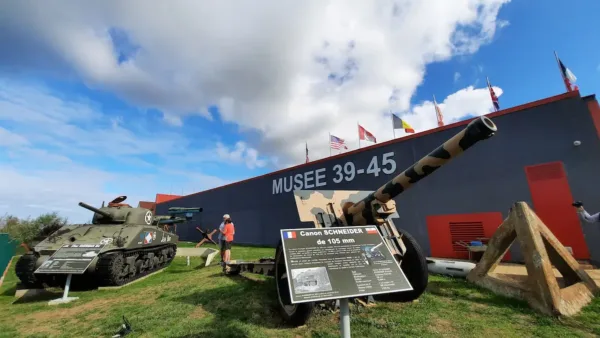
Musée 39-45 Ambleteuse tells the story of the Second World War from the invasion of Poland to the surrender of Japan.
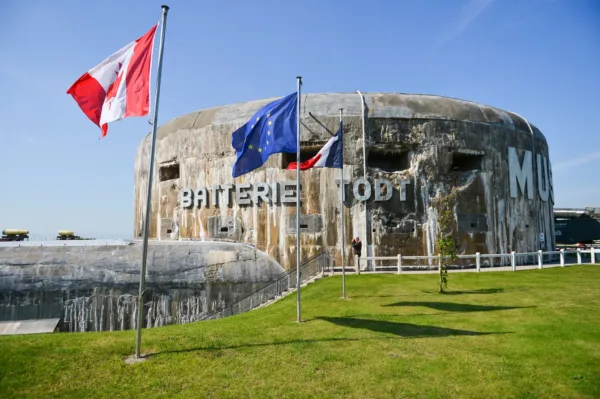
The Todt Battery in Audinghen, now the Atlantic Wall Museum, was built as part of the coastal defences facing Britain.
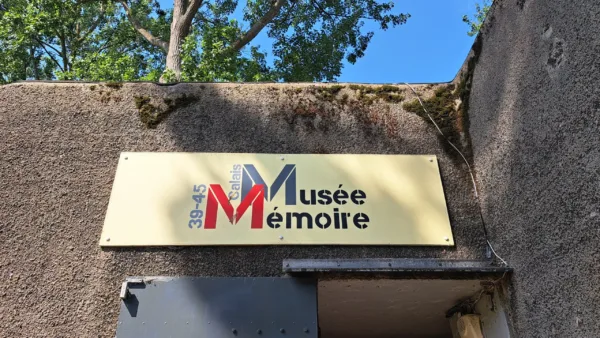
In Calais, the Musée Mémoire 39-45 is housed in a former German bunker and displays wartime artefacts largely donated by local residents.
 © ©Benoît Diéval